 EN
 AR
 BG
 CS
 DA
 NL
 FI
 FR
 EL
 HI
 IT
 JA
 KO
 NO
 PL
 PT
 RO
 RU
 ES
 TL
 ID
 UK
 ET
 TR
 AF
 GA
 MK
 BN
 NE
 KK
 SU
 UZ


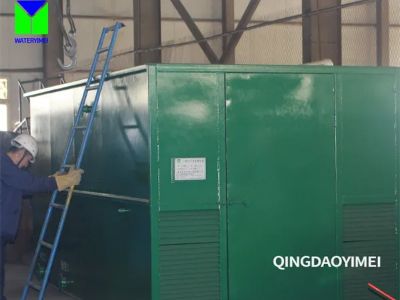
Modular systems are revolutionizing wastewater management plant projects by providing flexible and efficient solutions that can adapt to various operational needs. As B2B buyers, including purchasing managers and engineers, look for optimized processes and cost-effective solutions, understanding how modular systems can reshape these projects becomes essential. This article will explore the efficiency improvements offered by modular systems, factors to consider when selecting them, and the associated costs and quality evaluation criteria.
How Modular Systems Improve Wastewater Treatment Efficiency?
Modular systems enhance wastewater treatment efficiency by allowing for scalable and customizable solutions that can be easily integrated into existing infrastructures. These wastewater plants systems consist of pre-fabricated units that can be assembled on-site, significantly reducing installation time and labor costs. The modular approach also enables operators to expand capacity incrementally, which is particularly advantageous for facilities anticipating future growth or varying treatment needs.
Furthermore, modular designs facilitate easier maintenance and upgrades, as individual units can be serviced without disrupting the entire plant operation. This flexibility not only minimizes downtime but also allows for the incorporation of the latest technologies in water treatment, ensuring that plants remain compliant with evolving environmental regulations.
By leveraging modular systems, facilities can achieve higher operational efficiency, reduce resource consumption, and improve overall environmental performance, essential factors that purchasing managers and engineers must consider when evaluating wastewater treatment system options.
Choosing the Right Modular Systems for Wastewater Applications
Selecting the appropriate modular system for wastewater applications requires a thorough understanding of the specific treatment needs and environmental conditions. Key considerations include the type of wastewater being treated, required flow rates, and the treatment process (e. g., biological, chemical, or physical).
Buyers should start by assessing the following specifications:
Capacity and Size: Ensure the modular units can handle the expected peak flow rates and overall volume of wastewater.
Material Selection: Materials should be resistant to corrosion and chemical exposure commonly found in wastewater environments. Common materials include stainless steel and high-density polyethylene.
Technology Compatibility: Verify that the modular system can integrate with existing technologies or any planned upgrades, such as advanced filtration or disinfection processes.
Customization Options: Look for manufacturers that allow for specific adaptations to meet unique site conditions or regulatory requirements.
Engaging with manufacturers like Qingdao Yimei Environment Project Co., Ltd., who specialize in modular wastewater solutions, can provide valuable insights and recommendations tailored to specific applications.
Cost Factors in Modular Wastewater Management Plant Projects
When budgeting for modular wastewater management plant projects, several cost factors must be taken into account. While modular systems often present lower initial costs due to reduced construction time and labor, ongoing operational and maintenance costs are critical for a comprehensive financial analysis.
Initial Investment: The cost of the modular units, including any customization, transportation, and on-site assembly, should be carefully evaluated.
Operational Efficiency: Consider the long-term operational costs, including energy consumption and resource utilization. Modular systems that allow for optimized processes can lead to significant savings over time.
Maintenance and Upkeep: Assess the maintenance requirements of the modular units, including the availability of spare parts and technical support. Systems designed for easy access can reduce maintenance costs and improve service life.
Regulatory Compliance: Factor in any potential costs associated with meeting local environmental regulations, as non-compliance can lead to fines and additional expenditures.
By understanding these cost factors, buyers can make informed decisions that align with their budgetary constraints while ensuring effective wastewater solutions management.
Evaluating Quality in Modular Wastewater Management Solutions
Quality assessment is pivotal when selecting modular wastewater management solutions. Buyers should adopt a systematic approach to evaluate the reliability and performance of the systems under consideration. Here are essential quality indicators to consider:
Certifications and Standards: Confirm that the manufacturer adheres to relevant industry standards and possesses certifications that demonstrate compliance with environmental and safety regulations.
Material Quality: Evaluate the materials used in the construction of the modular units. High-quality, durable materials will ensure longevity and reduce the risk of system failures.
Performance Testing: Request performance data and testing results from the manufacturer to determine how the modular units have performed in real-world applications. This data can provide insights into reliability and efficiency.
Warranty and Support: Assess the warranty offered by the manufacturer and the availability of customer support for troubleshooting and maintenance. A strong warranty reflects the manufacturer's confidence in their product quality.
By conducting thorough quality evaluations, buyers can select modular systems that not only meet their operational needs but also provide reliable, long-term performance.
Common Problems in Wastewater Projects and Modular Solutions
Despite the advantages of modular systems, buyers should be aware of potential challenges that may arise during wastewater project implementation. Common issues include:
Integration Difficulties: If the modular units are not compatible with existing systems, it can lead to operational inefficiencies. It’s vital to ensure all components are designed to work together seamlessly.
Underestimating Capacity Needs: Inaccurately predicting future wastewater flow rates can result in insufficient treatment capacity. Conducting thorough assessments and consulting with manufacturers during the planning phase can mitigate this risk.
Maintenance Challenges: While modular systems are designed for easy maintenance, improper installation or lack of training can hinder effective upkeep. Ensure that staff are adequately trained and that maintenance protocols are well established.
Supply Chain Issues: Delays in the supply of modular units or spare parts can disrupt project timelines. Establishing clear communication with suppliers and having contingency plans can help alleviate this concern.
By proactively addressing these common issues, buyers can enhance the success of their wastewater management projects and capitalize on the benefits of modular systems.
Modular systems offer innovative solutions for wastewater management plant projects, allowing for efficient, flexible, and scalable operations. By understanding the various factors influencing their implementation, buyers can make informed decisions that align with their operational goals and environmental commitments.
Table of Contents
- How Modular Systems Improve Wastewater Treatment Efficiency?
- Choosing the Right Modular Systems for Wastewater Applications
- Cost Factors in Modular Wastewater Management Plant Projects
- Evaluating Quality in Modular Wastewater Management Solutions
- Common Problems in Wastewater Projects and Modular Solutions