 EN
 AR
 BG
 CS
 DA
 NL
 FI
 FR
 EL
 HI
 IT
 JA
 KO
 NO
 PL
 PT
 RO
 RU
 ES
 TL
 ID
 UK
 ET
 TR
 AF
 GA
 MK
 BN
 NE
 KK
 SU
 UZ


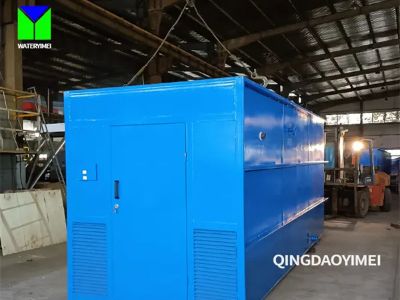
In the evolving landscape of environmental management, understanding how wastewater management plant design changes with treatment requirements is crucial for industry professionals. This article will explore the intricacies of designing wastewater treatment facilities that meet specific treatment standards, the key specifications that enhance system effectiveness, and the cost factors that influence design decisions. Additionally, we will address common challenges faced in wastewater management and offer solutions, while providing guidance on how to compare different wastewater treatment equipment for your project.
How Wastewater Management Plant Design Meets Treatment Standards?
The design of wastewater management plants must align closely with local, national, and international treatment standards. These standards dictate the level of treatment required based on the type of wastewater, its source, and the intended discharge location. For instance, municipal wastewater typically requires a higher treatment level than industrial effluents, which may have specific contaminants that need targeted removal.
When designing a plant, it is essential to consider the treatment processes that will be employed, such as biological treatment, chemical coagulation, or membrane filtration. Each process has different design requirements and affects the overall layout, equipment selection, and operational protocols of the plant. For example, a biological treatment plant may require aeration tanks and clarifiers, while a membrane bioreactor system might need specialized membrane filtration units. Understanding these nuances helps ensure compliance with treatment standards and operational efficiency.
Key Specifications for Effective Wastewater Management Systems
Several key specifications must be evaluated to design an effective wastewater management system. These specifications include hydraulic capacity, treatment efficiency, energy consumption, and space utilization.
Hydraulic Capacity: This refers to the maximum flow rate the system can handle. It is critical to ensure that the plant can accommodate peak flows, especially during storm events. Underestimating this capacity can lead to system overloads and treatment failures.
Treatment Efficiency: The performance metrics of the selected treatment technology, such as removal rates for BOD, TSS, and nutrients, must be fully understood. Each technology has its own efficiency ratings, which need to be matched to the wastewater characteristics and required effluent quality.
Energy Consumption: Given the rising costs associated with energy, selecting energy-efficient technologies is essential. This choice impacts the long-term operational cost and environmental footprint of the plant.
Space Utilization: Effective use of space can reduce construction costs and facilitate future expansions. The layout should consider not only current needs but also potential future increases in capacity.
These specifications form the backbone of effective design and must be tailored to the specific project requirements.
Cost Factors to Evaluate in Wastewater Treatment Plant Design
Evaluating the cost factors associated with wastewater treatment plant design is crucial for making informed purchasing decisions. Several elements contribute to the overall project cost:
Initial Capital Investment: This includes costs associated with land acquisition, construction, wastewater equipment purchase, and installation. Understanding the full scope of these expenses during the planning phase is vital.
Operational Costs: Long-term operational costs, such as energy consumption, maintenance, and labor, must be projected. Systems with higher initial costs may offer lower operational expenses, resulting in better long-term value.
Regulatory Compliance Costs: Ensuring compliance with environmental regulations may necessitate additional investments in advanced treatment technologies or monitoring systems.
Financing Options: Different financing methods can affect cash flow and project viability. Evaluating grants, loans, or public-private partnerships can provide insights into reducing initial costs.
Return on Investment (ROI): Buyers should assess the potential ROI based on expected operational efficiencies and compliance with regulatory requirements. This evaluation helps justify the investment in the chosen design.
By carefully analyzing these cost factors, stakeholders can make strategic decisions that align with their budgetary constraints and long-term goals.
Common Problems in Wastewater Management and Their Solutions
Even with careful planning, common problems can arise in wastewater management plants. Identifying these issues early can mitigate risks and enhance operational performance.
Inadequate Capacity: Overloading can occur if not enough capacity is planned for peak flows. A wastewater solutions is to implement a modular design, allowing for scalable capacity based on demand fluctuations.
Inefficient Treatment Processes: If the selected treatment technology does not effectively remove targeted contaminants, it may be necessary to reevaluate the treatment train. Upgrading to more efficient technologies or incorporating additional treatment stages can improve performance.
Operational Issues: Poor maintenance practices can lead to equipment failures. Establishing a proactive maintenance schedule and investing in staff training can enhance operational reliability.
Regulatory Non-compliance: Continuous monitoring and adjustments to treatment processes are necessary to remain within compliance limits. Implementing real-time monitoring systems can help ensure adherence to regulatory standards.
Addressing these issues requires a collaborative approach among engineers, operators, and suppliers to ensure that the plant operates effectively and remains compliant with all regulations.
How to Compare Wastewater Treatment Equipment for Your Project?
When evaluating wastewater treatment equipment for a specific project, it is essential to compare various options based on several critical factors:
Technical Specifications: Review the technical specifications of each equipment type to ensure it meets the performance requirements for your specific wastewater characteristics. Pay attention to factors like hydraulic capacity, treatment efficiency, and operational limits.
Customization Options: Determine if the equipment can be tailored to your unique requirements. Customization may include modifications to accommodate specific wastewater types or operational conditions.
Manufacturer Support: Evaluate the level of support provided by the manufacturer, including installation, technical assistance, and after-sales service. A manufacturer with a strong reputation for customer support can be invaluable in ensuring smooth operation.
Cost of Ownership: Consider both initial purchase costs and long-term operational costs, including energy consumption, maintenance, and potential downtime. A more expensive initial investment may result in lower operational costs over time.
Performance History: Request case studies or references from similar projects to gauge the effectiveness of the equipment in real-world applications. This insight can help you understand how well the equipment performs under various conditions.
By systematically comparing these factors, you can make a well-informed decision that aligns with your project's requirements and budget constraints.
Understanding how wastewater management plant design changes with treatment requirements is essential for optimizing operational efficiency, ensuring regulatory compliance, and making informed purchasing decisions. By focusing on treatment standards, key specifications, cost factors, common challenges, and equipment comparisons, stakeholders can enhance their wastewater management strategies while achieving their environmental protection goals.
Table of Contents
- How Wastewater Management Plant Design Meets Treatment Standards?
- Key Specifications for Effective Wastewater Management Systems
- Cost Factors to Evaluate in Wastewater Treatment Plant Design
- Common Problems in Wastewater Management and Their Solutions
- How to Compare Wastewater Treatment Equipment for Your Project?