 EN
 AR
 BG
 CS
 DA
 NL
 FI
 FR
 EL
 HI
 IT
 JA
 KO
 NO
 PL
 PT
 RO
 RU
 ES
 TL
 ID
 UK
 ET
 TR
 AF
 GA
 MK
 BN
 NE
 KK
 SU
 UZ


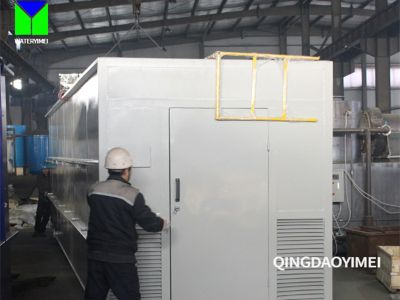
In the evolving landscape of environmental management, understanding the latest trends in wastewater management plant design and operation is crucial for purchasing managers, engineers, and decision-makers in the industry. This article will delve into the latest innovations, supplier evaluation criteria, product quality assessments, cost considerations, and common challenges faced in wastewater management. By providing practical insights and guidance, we aim to equip you with the knowledge necessary for making informed purchasing decisions.
Latest Innovations in Wastewater Management Plant Design
Recent advancements in wastewater management plant design focus on sustainability, efficiency, and technology integration. For instance, the adoption of modular treatment solutions allows for scalable operations, enabling facilities to adjust capacity based on fluctuating demand without significant capital investments. Innovations such as membrane bioreactors (MBRs) and advanced oxidation processes (AOPs) are also gaining traction, offering enhanced treatment capabilities for complex waste streams.
Moreover, smart technologies are being integrated into plant operations. These include IoT sensors that monitor water quality in real-time, allowing for immediate adjustments to treatment processes. Such innovations not only improve operational efficiency but also reduce energy consumption and operational costs. As a result, companies like Qingdao Yimei Environment Project Co., Ltd. are consistently updating their product offerings to incorporate these trends, ensuring that their wastewater solutions meet the evolving needs of the industry.
How to Choose Reliable Suppliers for Wastewater Equipment?
Selecting a reliable supplier for wastewater equipment involves several critical considerations. First, evaluate the supplier's experience and track record in the industry. Look for companies that have been in operation for a significant duration and have a portfolio of successful projects. For example, Qingdao Yimei Environment Project Co., Ltd., established in 1988, has extensive experience in designing and fabricating wastewater treatment system solutions tailored to meet diverse regulatory requirements across various countries.
Next, assess the supplier's product range and customization capabilities. A supplier offering a wide variety of equipment, such as filtration systems, sludge treatment solutions, and chemical dosing systems, is advantageous as it allows for integrated solutions tailored to specific operational needs. Additionally, consider the supplier's after-sales support, including availability of spare parts and technical assistance, which are crucial for minimizing downtime.
Lastly, request references or case studies from existing clients to gauge the supplier's reliability and product performance in real-world applications.
Evaluating Product Quality in Wastewater Treatment Solutions
Quality assurance is paramount when sourcing wastewater treatment solutions. Begin by examining the materials used in the equipment. For instance, corrosion-resistant materials are essential for components exposed to harsh chemicals and varying pH levels. Assess certifications and compliance with international standards, which indicate adherence to quality control processes.
It is also crucial to conduct thorough inspections of product samples before mass production. This includes checking dimensions, material integrity, and operational functionality. A common oversight is to evaluate only the technical specifications; however, real-world testing can reveal potential issues that may not be apparent on paper, such as compatibility with existing infrastructure and operational performance under expected conditions.
Furthermore, inquire about the supplier's quality control process. A robust quality assurance program with regular audits and testing can significantly reduce the risk of equipment failure during operation.
Cost Factors to Consider When Sourcing Wastewater Equipment
Cost considerations in sourcing wastewater equipment extend beyond the initial purchase price. First, evaluate the total cost of ownership, which includes not only the upfront cost but also operational costs, maintenance expenses, and energy consumption over the equipment's lifecycle. For example, equipment that is energy-efficient may have a higher initial price but can lead to significant savings in operational costs.
Additionally, consider the lead time for delivery and installation. Delays can result in increased project costs and extended downtime. It is beneficial to discuss these factors upfront with suppliers, as well as any potential for price fluctuations based on market conditions or raw material availability.
Finally, understand the supplier’s minimum order quantities (MOQs) and whether they can accommodate smaller orders or customization requests without incurring excessive costs. This wastewater plants flexibility can be advantageous, especially for projects with tight budgets or specific requirements.
Common Problems in Wastewater Management and Their Solutions
Wastewater management plants often face several common challenges, including equipment failures, compliance issues, and operational inefficiencies. One prevalent problem is clogging in filtration systems, which can lead to reduced system performance and increased maintenance costs. To mitigate this, regular maintenance schedules and the use of pre-treatment processes can help capture larger particles before they enter the filtration system.
Another challenge is meeting regulatory compliance. Failure to adhere to environmental regulations can result in significant fines and operational shutdowns. Implementing continuous monitoring systems can aid in maintaining compliance by providing real-time data on effluent quality.
Lastly, operational inefficiencies can arise from outdated technology or poorly designed processes. Investing in modern treatment technologies, such as automated systems and advanced process controls, can streamline operations and enhance overall treatment efficacy. Companies like Qingdao Yimei Environment Project Co., Ltd. continuously innovate their product lines to address these common issues, ensuring that clients receive solutions that are both effective and compliant with current standards.
By understanding the latest trends and common challenges in wastewater management, purchasing managers and decision-makers can better navigate the complexities of sourcing effective solutions. Implementing these practical insights will lead to more informed decisions that enhance operational efficiency and compliance in wastewater treatment.