 EN
 AR
 BG
 CS
 DA
 NL
 FI
 FR
 EL
 HI
 IT
 JA
 KO
 NO
 PL
 PT
 RO
 RU
 ES
 TL
 ID
 UK
 ET
 TR
 AF
 GA
 MK
 BN
 NE
 KK
 SU
 UZ


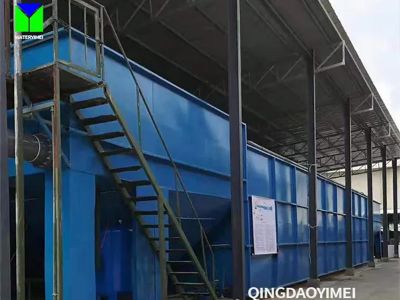
Selecting the right water sewage plant for municipal infrastructure projects is a critical decision that impacts both environmental sustainability and community health. Municipalities face numerous challenges, including budget constraints, regulatory compliance, and the need for reliable technology. This article aims to provide guidance on selecting water sewage plant, addressing key buyer concerns, and ensuring optimal performance, thereby assisting purchasers in making informed decisions.
What to Expect When Sourcing Water Sewage Plants?
When sourcing water sewage plants for municipal projects, buyers should anticipate a thorough evaluation of several factors. First, it's essential to understand that water sewage treatment plants vary significantly in terms of technology, capacity, and design. The procurement process typically begins with assessing the specific requirements of the municipality, including population size, wastewater characteristics, and local regulations.
Buyers must also consider the supplier's experience and capabilities. A manufacturer like Qingdao Yimei Environment Project Co., Ltd., which has over 35 years of experience and offers more than 130 types of machinery, can provide tailored solutions. It's advisable to request detailed product specifications, including technical parameters and certifications that ensure compliance with local and international standards.
Additionally, prospective buyers should assess the supplier's after-sales support, including availability of spare parts and maintenance services. This support is crucial for long-term operational reliability and efficiency, making it a key factor in the sourcing process.
Installation Guidance for Optimal Performance of Sewage Plants
Proper installation is vital to the performance of water sewage plants. Buyers should ensure that the installation process is handled by experienced professionals familiar with the specific systems being deployed. This includes understanding the site's unique environmental conditions and adhering to manufacturer guidelines.
Before installation, it is advisable to conduct a site assessment to evaluate factors such as soil composition, groundwater levels, and proximity to existing infrastructure. Buyers should also consider the layout design to optimize workflow and maintenance access.
Regular communication with the supplier during installation can prevent common issues, such as misalignment of components or inadequate space for maintenance. Post-installation, a thorough commissioning process is essential to ensure that the system operates at peak efficiency, including performance testing and staff training on system operation.
Applications of Water Sewage Plants in Municipal Infrastructure
Water sewage plants play a crucial role in municipal infrastructure by treating wastewater to meet environmental standards before discharge or reuse. Their applications extend beyond simple sewage water treatment; they can also support stormwater management, industrial effluent treatment, and even water recycling initiatives.
In urban areas, where population density creates unique challenges, advanced sewage treatment technologies can significantly reduce the environmental impact. For instance, integrated systems that combine biological treatment and nutrient removal can effectively manage complex wastewater streams.
Moreover, municipalities can leverage treated effluent for applications such as irrigation, industrial processes, or groundwater recharge. Understanding these applications can help buyers select a sewage plant that not only meets current needs but also supports future growth and sustainability initiatives.
Material Advantages of Advanced Water Sewage Treatment Systems
The materials used in water sewage treatment systems significantly influence their durability and performance. Advanced systems often incorporate corrosion-resistant materials, such as stainless steel, to withstand harsh wastewater conditions. Additionally, high-quality polymers may be used for components that require flexibility and resistance to chemical exposure.
It's important for buyers to consider the environmental conditions and specific wastewater characteristics when selecting materials. For example, systems that will handle high levels of biological or chemical load require robust materials to prevent degradation over time.
Furthermore, effective insulation and sealing materials can enhance energy efficiency and reduce operational costs. Buyers should discuss material options with their suppliers to ensure the chosen sewage plant aligns with both performance requirements and budget constraints.
Wholesale Purchasing Tips for Water Sewage Treatment Equipment
When engaging in wholesale purchasing of water sewage treatment equipment, several key factors should be considered to optimize value and performance. First, buyers should clearly define their project requirements, including specifications related to capacity, technology, and compliance with local regulations.
Requesting detailed quotations from multiple suppliers can help in comparing costs and understanding the total purchasing expenditure. Factors affecting pricing may include material costs, production capacity, and customization options.
In addition, it's crucial to verify the supplier's ability to deliver on time. Delays in the procurement process can impact project timelines and budgets. Establishing clear communication channels and timelines can mitigate these risks.
Lastly, buyers should consider the availability of warranties and service agreements. Ensuring that the equipment is backed by comprehensive support can safeguard against potential operational issues and enhance long-term satisfaction with the purchase.
By focusing on these factors, purchasing managers and engineers can make informed decisions that ensure the successful implementation of water sewage plants in municipal infrastructure projects.
Table of Contents
- What to Expect When Sourcing Water Sewage Plants?
- Installation Guidance for Optimal Performance of Sewage Plants
- Applications of Water Sewage Plants in Municipal Infrastructure
- Material Advantages of Advanced Water Sewage Treatment Systems
- Wholesale Purchasing Tips for Water Sewage Treatment Equipment