 EN
 AR
 BG
 CS
 DA
 NL
 FI
 FR
 EL
 HI
 IT
 JA
 KO
 NO
 PL
 PT
 RO
 RU
 ES
 TL
 ID
 UK
 ET
 TR
 AF
 GA
 MK
 BN
 NE
 KK
 SU
 UZ


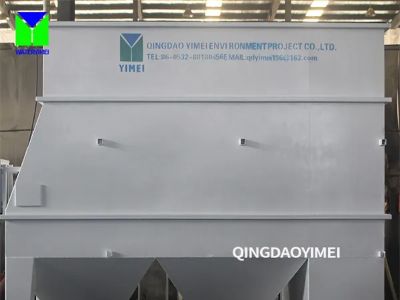
The growing demand for lamella clarifiers in industrial water recycling reflects the increasing need for efficient water treatment solutions. These systems help separate solids from liquids, making them invaluable for various industrial applications. For purchasing managers and engineers, concerns often revolve around product specifications, efficiency, installation, and supplier reliability. This article provides insights into selecting lamella clarifier, their efficiency benefits, cost factors, installation guidance, and the importance of choosing reliable suppliers.
What to Consider When Choosing Lamella Clarifiers for Water Recycling?
When selecting lamella clarifiers for water recycling, several critical factors need to be evaluated. First and foremost is the design and size of the clarifier. The dimensions should align with the volume of water to be treated and the space available at the installation site. Additionally, the material construction is essential, as it impacts the clarifier's durability and resistance to corrosion, particularly in harsh industrial environments. Common materials include stainless steel and high-density polyethylene (HDPE), each with its own advantages.
Another consideration is the clarification efficiency, which can vary based on the design of the lamella plates and the flow rate of water. Higher efficiency means more effective separation of solids, leading to better quality treated water. Buyers should also assess the maintenance requirements; systems that are easier to clean and maintain can save time and costs in the long run. Finally, inquire about customization options, as some applications may require specific configurations or additional features.
How Lamella Clarifiers Improve Efficiency in Industrial Water Treatment?
Lamella clarifiers enhance efficiency in industrial water treatment by utilizing a unique design that maximizes the surface area for sedimentation. The inclined plate structure allows solids to settle faster than in traditional clarifiers, reducing the footprint needed for effective operation. This design encourages better settling rates, which directly contributes to higher throughput in water treatment processes.
Moreover, lamella clarifiers are known for their ability to handle varying flow rates, making them suitable for different industrial applications. For instance, in manufacturing facilities where water quality standards are stringent, the rapid settling of solids helps maintain compliance with environmental regulations. This efficiency not only aids in operational effectiveness but also reduces the overall energy consumption associated with water treatment processes, contributing to lower operational costs.
Cost Factors to Evaluate When Purchasing Lamella Clarifiers
When considering the purchase of lamella clarifiers, it’s vital to evaluate various cost factors to ensure a sound investment. Initial costs include the purchase price, which can vary based on size, material, and manufacturer. However, buyers should also consider installation costs, which can be significant depending on the complexity of the setup and the required infrastructure adjustments.
Long-term operational costs are also crucial. These include maintenance expenses, energy consumption, and potential downtime. Efficient systems may have a higher initial cost but can lead to savings over time through reduced energy use and lower maintenance needs. Additionally, consider the availability of spare parts and after-sales service offered by the supplier. Reliable access to parts can significantly reduce maintenance costs and ensure minimal downtime.
Installation Guidance for Lamella Clarifiers in Industrial Applications
Installing a lamella clarifier requires careful planning and execution to ensure optimal performance. First, assess the site conditions, including available space, existing infrastructure, and access for maintenance. Proper foundation work is essential to support the clarifier's weight and ensure stability.
During installation, pay attention to the alignment of the lamella plates. Misalignment can lead to reduced efficiency and operational issues. It is also crucial to ensure that the inlet and outlet configurations are designed to facilitate smooth water flow and avoid turbulence, which can hinder the settling process.
After installation, conduct a thorough system check to confirm that all components are functioning as intended. Regular testing and monitoring should be established to evaluate the performance of the lamella plate clarifier under various operational conditions. This proactive approach helps identify potential issues early and ensures that the system operates efficiently.
Why Reliable Suppliers Matter in the Lamella Clarifier Market?
Selecting a reliable supplier for lamella clarifiers is vital for ensuring the quality and performance of the equipment. A reputable manufacturer, like Qingdao Yimei Environment Project Co., Ltd., brings extensive experience in designing and fabricating water treatment equipment, which is crucial for guiding buyers through the selection process.
A trustworthy supplier should provide comprehensive technical support, including assistance with system design, installation guidance, and ongoing maintenance. They should also offer clear warranty terms and support for troubleshooting any operational issues that arise after installation.
Furthermore, consider the supplier's after-sales service and the availability of spare parts. Suppliers with a strong presence in key regions can ensure timely delivery of parts and service, minimizing downtime. This reliability is especially important for industries with stringent water quality requirements, where lamella equipment failures can lead to compliance issues and costly operational disruptions.
In summary, the growing demand for lamella clarifiers in industrial water recycling underscores the need for efficient and reliable water treatment solutions. Understanding the critical factors for selection, efficiency improvements, cost evaluations, installation guidance, and the importance of choosing a reputable supplier can significantly enhance the purchasing decision for B2B buyers in this field.
Table of Contents
- What to Consider When Choosing Lamella Clarifiers for Water Recycling?
- How Lamella Clarifiers Improve Efficiency in Industrial Water Treatment?
- Cost Factors to Evaluate When Purchasing Lamella Clarifiers
- Installation Guidance for Lamella Clarifiers in Industrial Applications
- Why Reliable Suppliers Matter in the Lamella Clarifier Market?