 EN
 AR
 BG
 CS
 DA
 NL
 FI
 FR
 EL
 HI
 IT
 JA
 KO
 NO
 PL
 PT
 RO
 RU
 ES
 TL
 ID
 UK
 ET
 TR
 AF
 GA
 MK
 BN
 NE
 KK
 SU
 UZ


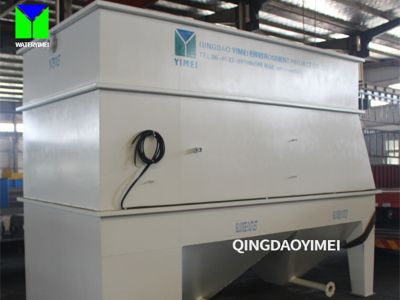
Understanding Overflow Rate Requirements for Lamella Clarifier Design is essential for professionals involved in water treatment processes. The overflow rate is a critical parameter in the design and operation of lamella clarifiers, impacting their efficiency and effectiveness in removing suspended solids from wastewater. Buyers, such as purchasing managers and engineers, often seek clarity on the specifications and operational requirements of lamella clarifiers to ensure optimal performance. This article aims to provide a comprehensive understanding of overflow rate requirements, guiding you through specifications, manufacturing factors, cost considerations, installation guidance, and common issues related to lamella clarifier.
Understanding Bulk Order Specifications for Lamella Clarifiers
When considering bulk orders for lamella clarifiers, it's crucial for buyers to specify the overflow rate requirements clearly. This rate, typically expressed in cubic meters per square meter per hour (m³/m²/h), dictates how much liquid can pass through the clarifier at a given time. A higher overflow rate might indicate a more efficient system but could also lead to reduced settling performance if not properly designed.
In addition to overflow rates, bulk order specifications should include details such as dimensions, materials, and treatment capacities. Buyers should also assess the clarifier's design features, such as the angle of the lamella plates, which influences sedimentation efficiency. When placing a bulk order, providing precise technical drawings and operational parameters ensures that the clarifiers produced meet the specific needs of the project.
Key Quality Factors in Lamella Clarifier Manufacturing Processes
Quality in the manufacturing of lamella clarifiers significantly impacts their performance and longevity. Key quality factors include the material selection, fabrication processes, and adherence to industry standards. Common materials used in lamella clarifiers include stainless steel and high-density polyethylene, both of which provide resistance to corrosion and chemical exposure.
Manufacturing processes must focus on precision, especially in the construction of the lamella plates, which should be uniform in size and angle to ensure optimal flow and sedimentation. Quality control measures, such as regular inspections during production and testing of finished products, are essential to verify that the clarifiers meet specified overflow rates and other performance criteria.
Additionally, certifications such as ISO 9001 can provide assurance that the manufacturer adheres to quality management standards, which can enhance trust in the products supplied. Buyers should ensure that the manufacturer can provide documentation of quality assurance practices and any relevant certifications.
Comparing Cost Factors for Lamella Clarifier Selection and Design
Cost is a significant factor when selecting and designing lamella clarifiers. While initial pricing is important, buyers should consider the total cost of ownership, which includes maintenance, operational efficiency, and durability. The choice of materials directly affects the initial cost; for example, stainless steel may have a higher upfront cost but offers superior longevity compared to lower-cost materials.
Customization options can also influence costs. Buyers may need to provide specific design features to meet their operational needs, which may come at a premium. However, these customizations can lead to improved performance and lower long-term operational costs. When evaluating costs, it’s advisable to request detailed quotations from multiple suppliers, including potential bulk order discounts, shipping costs, and lead times.
Moreover, factors such as the manufacturing processes and the complexity of the design can lead to variations in pricing. Engaging with manufacturers who offer transparency in their pricing structures and can provide breakdowns of costs related to materials, labor, and certifications can help buyers make informed decisions.
Installation Guidance for Efficient Lamella Clarifier Deployment
Proper installation of lamella clarifiers is critical for achieving their designed overflow rates and overall performance. Buyers should consider several factors during the installation phase:
Site Preparation: Ensure the installation site is properly prepared to accommodate the clarifier's size and weight. This includes a stable foundation and appropriate access for maintenance.
Alignment and Leveling: During installation, the clarifier must be aligned and leveled accurately. Misalignment can lead to uneven flow distribution, negatively impacting the overflow rate and efficiency.
Connection to Existing Systems: Buyers should verify that the clarifier can be seamlessly integrated into existing water treatment systems, including inlet and outlet connections. Proper hydraulic design is essential to maintain optimal flow rates.
Testing and Commissioning: After installation, conducting thorough testing to confirm that the clarifier operates at the required overflow rate is vital. This step involves monitoring flow conditions and sedimentation performance to ensure compliance with specified parameters.
By following these installation guidelines, buyers can enhance the operational reliability of lamella clarifiers from the outset.
Common Problems with Lamella Clarifiers and Their Solutions
Despite their effectiveness, lamella clarifiers can encounter several common issues that may affect their performance:
Overloading: If the inflow exceeds the designed overflow rate, it can lead to poor sedimentation and increased turbidity in the treated water. To mitigate this, operators should monitor inflow rates and adjust the operation accordingly, perhaps by implementing flow regulation systems.
Scaling and Fouling: Accumulation of scale or other deposits on the lamella plates can obstruct flow and reduce efficiency. Regular maintenance, including cleaning schedules, is essential to prevent fouling and ensure optimal performance.
Material Degradation: Depending on the wastewater composition, materials used in the clarifier may degrade over time. Buyers should assess the chemical properties of the wastewater to select suitable materials that can withstand corrosive environments.
Inadequate Maintenance: Failure to perform regular inspections and maintenance can lead to operational failures. Establishing a comprehensive maintenance plan, including routine checks and performance evaluations, can help identify potential issues before they escalate.
By understanding these common problems and their solutions, buyers can ensure the long-term reliability and efficiency of their lamella clarifiers, ultimately enhancing their water treatment processes.
With a solid grasp of overflow rate requirements and related considerations, purchasing managers and engineers can make informed decisions when selecting lamella clarifiers tailored to their water treatment needs.
Table of Contents
- Understanding Bulk Order Specifications for Lamella Clarifiers
- Key Quality Factors in Lamella Clarifier Manufacturing Processes
- Comparing Cost Factors for Lamella Clarifier Selection and Design
- Installation Guidance for Efficient Lamella Clarifier Deployment
- Common Problems with Lamella Clarifiers and Their Solutions