 EN
 AR
 BG
 CS
 DA
 NL
 FI
 FR
 EL
 HI
 IT
 JA
 KO
 NO
 PL
 PT
 RO
 RU
 ES
 TL
 ID
 UK
 ET
 TR
 AF
 GA
 MK
 BN
 NE
 KK
 SU
 UZ


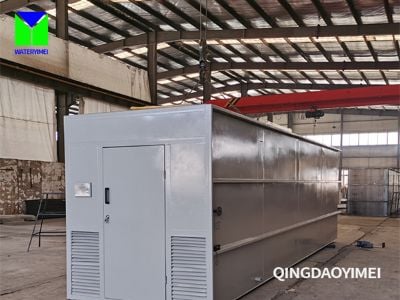
Modern wastewater management plants are critical infrastructures designed to treat and manage wastewater effectively, ensuring environmental protection and compliance with health standards. The wastewater treatment system design and operational efficiency of these plants are paramount for industries that generate significant wastewater, including manufacturing, food processing, and pharmaceuticals. This article provides insights into what defines a modern wastewater management plant, addressing key buyer concerns such as selection criteria, reliability, cost factors, and application technologies.
What Defines the Key Features of a Modern Wastewater Management Plant?
A modern wastewater management plant incorporates several key features that enhance its operational efficiency and environmental impact. These features typically include advanced treatment technologies, automation, and integration with renewable energy sources.
Advanced Treatment Technologies: Modern plants often utilize a combination of biological, chemical, and physical processes to achieve high levels of effluent quality. Technologies such as membrane bioreactors (MBRs) and advanced oxidation processes (AOPs) are becoming increasingly common, allowing for the removal of contaminants that traditional methods may not effectively eliminate.
Automation and Monitoring Systems: Automation plays a crucial role in the operation of modern plants. Integrating real-time monitoring systems allows for the continuous assessment of water quality and plant performance. This not only ensures compliance with regulatory standards but also facilitates proactive maintenance, reducing downtime and operational costs.
Energy Efficiency: Many modern plants focus on energy efficiency and sustainability. This can include the use of energy recovery systems, such as anaerobic digesters, which convert organic waste into biogas, thus reducing energy consumption and generating renewable energy.
Modular Design: To accommodate varying wastewater volumes and treatment requirements, modern plants often use modular designs. This flexibility allows for easy expansion and adaptation to changing needs, which is particularly beneficial for industries experiencing growth or fluctuations in production.
These features collectively enhance a plant’s ability to handle wastewater in a cost-effective, environmentally friendly manner.
How to Choose the Right Wastewater Management Solutions for Your Project?
Selecting the appropriate wastewater management solution requires careful consideration of several factors.
Project Requirements: Define the specific needs of your project, including the type and volume of wastewater generated. Different industries have unique requirements; for example, food processing facilities may need specialized systems to handle organic waste, while pharmaceuticals may require advanced contaminant removal.
Technology Compatibility: Assess the compatibility of various treatment technologies with your existing infrastructure. Understanding the operational parameters, such as flow rates and treatment goals, will help in choosing a solution that integrates seamlessly with current systems.
Regulatory Compliance: Ensure that the chosen solution meets local and international regulatory requirements for wastewater discharge. This may involve consulting with industry experts or regulatory bodies to confirm that the technology can achieve the necessary effluent quality.
Cost Considerations: Evaluate the total cost of ownership, which includes not only the initial investment but also ongoing operational and maintenance costs. A solution that appears cheaper upfront may lead to higher long-term costs if it requires more frequent maintenance or energy consumption.
Supplier Reputation and Support: Partner with a reliable supplier, like Qingdao Yimei Environment Project Co., Ltd., which has extensive experience in providing advanced wastewater treatment solutions. Look for a supplier that offers comprehensive after-sales service and technical support to ensure smooth operation and quick resolution of any issues.
By carefully assessing these factors, buyers can make informed decisions that best suit their project needs.
What Makes a Reliable Wastewater Management Plant?
Reliability in wastewater management plants is defined by several key attributes that ensure consistent performance and minimal downtime.
Quality of Components: The durability and reliability of individual components, such as pumps, membranes, and control systems, are critical. High-quality wastewater equipment and robust construction can withstand the harsh conditions often found in wastewater environments.
Proven Technology: Select solutions that utilize proven technologies with successful track records in similar applications. This includes conducting thorough research and seeking case studies or references from existing users.
Regular Maintenance and Support: A reliable plant includes a robust maintenance plan. Regular inspections and timely servicing can prevent unexpected breakdowns. Additionally, ensure that spare parts are readily available to minimize downtime.
Performance Monitoring: Effective monitoring systems that track key performance indicators (KPIs) are essential for maintaining reliability. These systems should alert operators to any deviations from normal performance, allowing for swift corrective actions.
Customization Capabilities: A reliable supplier should be able to tailor solutions to meet specific operational needs, including modifications to accommodate unique wastewater characteristics or treatment goals.
By focusing on these factors, buyers can ensure they select a wastewater management plant that delivers consistent and reliable performance.
Understanding Cost Factors in Modern Wastewater Management Plants
Cost is a significant concern for buyers when selecting wastewater management solutions. Understanding the various factors that influence pricing can aid in making a more informed decision.
Initial Capital Investment: The upfront cost of purchasing and installing equipment can vary widely based on technology, capacity, and design complexity. Modular systems may offer flexible pricing options, allowing for gradual investment as needs grow.
Operational Costs: Evaluate ongoing costs such as energy consumption, labor, and maintenance. Energy-efficient systems may have a higher initial cost but can lead to substantial savings over time.
Regulatory Compliance Costs: Failing to meet regulatory standards can result in penalties and additional costs. Investing in a reliable treatment system that ensures compliance can mitigate these risks.
Customization Costs: Custom solutions tailored to specific project requirements may incur additional expenses. Buyers should weigh the benefits of customization against potential cost increases.
Lifecycle Costs: Consider the total lifecycle costs, including depreciation, maintenance, and expected lifespan of the equipment. A higher-quality wastewater solutions may have a better lifecycle cost compared to cheaper, lower-quality alternatives.
Understanding these cost factors will help potential buyers assess their budgets effectively and make informed decisions.
Applications of Advanced Wastewater Treatment Technologies in Industry
Advanced wastewater treatment technologies have become integral to various industries, providing tailored solutions to meet specific treatment challenges.
Manufacturing: Industries such as textiles and chemicals generate complex wastewater with harmful contaminants. Advanced treatment technologies, including membrane filtration and biological treatment, can effectively remove pollutants, allowing for safe discharge or reuse.
Food and Beverage: These facilities produce high volumes of organic waste. Technologies like anaerobic digestion not only treat wastewater but also generate biogas, which can be used as an energy source, thus improving sustainability.
Pharmaceuticals: The pharmaceutical industry faces stringent regulations regarding effluent quality. Advanced oxidation processes and specialized filtration systems are essential for removing trace contaminants that could pose environmental hazards.
Municipal Wastewater Treatment: Modern municipal plants are adopting advanced technologies to improve treatment efficiency and reduce environmental impact. This includes the use of nutrient removal processes to combat eutrophication in receiving water bodies.
Oil and Gas: The treatment of produced water from oil extraction operations is critical. Technologies such as dissolved air flotation (DAF) and advanced filtration systems are employed to remove oil and solids, ensuring compliance with discharge regulations.
By leveraging these advanced technologies, industries can achieve better environmental outcomes while enhancing operational efficiency.
Understanding the features, selection criteria, cost factors, and applications of modern wastewater management plants empowers buyers to make informed decisions that support their operational needs and environmental responsibilities.
Table of Contents
- What Defines the Key Features of a Modern Wastewater Management Plant?
- How to Choose the Right Wastewater Management Solutions for Your Project?
- What Makes a Reliable Wastewater Management Plant?
- Understanding Cost Factors in Modern Wastewater Management Plants
- Applications of Advanced Wastewater Treatment Technologies in Industry