 EN
EN
 AR
AR
 BG
BG
 CS
CS
 DA
DA
 NL
NL
 FI
FI
 FR
FR
 EL
EL
 HI
HI
 IT
IT
 JA
JA
 KO
KO
 NO
NO
 PL
PL
 PT
PT
 RO
RO
 RU
RU
 ES
ES
 TL
TL
 ID
ID
 UK
UK
 ET
ET
 TR
TR
 AF
AF
 GA
GA
 MK
MK
 BN
BN
 NE
NE
 KK
KK
 SU
SU
 UZ
UZ


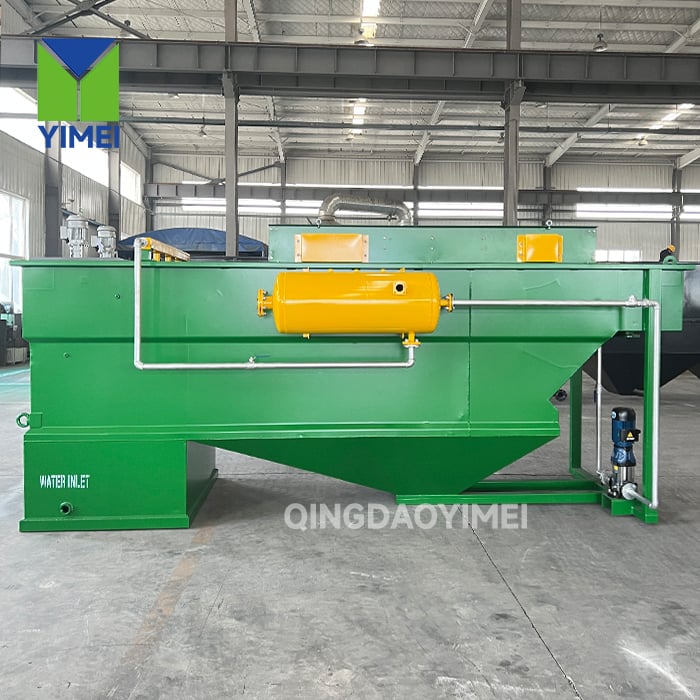
Industrial wastewater clarifiers play a crucial role in the treatment process by removing suspended solids and improving water quality before discharge. Understanding what determines the design of these clarifiers is vital for buyers looking to optimize their wastewater treatment solutions. This article addresses key concerns such as performance specifications, material selection, and supplier reliability, enabling purchasing managers, engineers, and product managers to make informed decisions when selecting the right clarifier for their specific needs.
How to Choose the Right Industrial Wastewater Clarifier for Your Project
Selecting the appropriate industrial wastewater clarifier involves understanding several critical factors. First, consider the type of wastewater being treated. Different industries, such as food and beverage, pharmaceuticals, or manufacturing, may produce varying types and concentrations of contaminants. The clarifier design must be compatible with the clarifiers wastewater treatment characteristics to ensure efficient solids removal.
Next, evaluate the flow rate requirements. The clarifier's capacity should align with your facility's expected peak flow to avoid bottlenecks in treatment. It's also essential to assess the space available for installation, as clarifier designs vary significantly in size and footprint.
Lastly, consider customization options. Many manufacturers, including Qingdao Yimei Environment Project Co., Ltd., offer tailored solutions to meet specific operational requirements, such as varying tank dimensions or incorporating advanced treatment technologies. Customization can enhance performance and efficiency, making it a worthwhile consideration during the selection process.
Where to Source Reliable Suppliers for Wastewater Clarification Equipment
Finding reliable suppliers for wastewater clarification equipment can be challenging. Start by researching manufacturers with a proven track record in the industry, like Qingdao Yimei Environment Project Co., Ltd., which has specialized in environmental protection and water treatment equipment since 1988. Look for companies with extensive experience, a range of product offerings, and positive customer reviews.
Networking within industry-specific forums and attending trade shows can provide valuable insights and direct connections to reputable suppliers. Additionally, consider supplier certifications, such as ISO standards, which can indicate a commitment to quality and reliability.
Requesting references from previous clients can also help assess the supplier's capabilities and customer service. A supplier's responsiveness to inquiries and support during the purchasing process can be indicative of their overall reliability.
Quality and Cost Factors
Quality and cost are critical considerations when selecting wastewater clarifiers. The materials used in construction significantly affect both performance and longevity. Common materials include stainless steel and carbon steel, each with unique corrosion resistance and durability properties. Understanding the expected chemical exposure in your application can guide material selection, ensuring that the clarifier will withstand operational conditions without degradation.
Cost factors extend beyond the initial purchase price. It is essential to consider the total cost of ownership, including installation, maintenance, and potential downtime. Investing in high-quality equipment may lead to lower maintenance costs and longer lifespans, ultimately offering better long-term value.
When evaluating suppliers, request detailed quotations that include not only the unit price but also shipping costs, installation fees, and warranty terms. This comprehensive approach will allow for a more accurate comparison between different suppliers and help identify the most cost-effective option.
A Buyer’s Guide
When preparing to purchase an industrial wastewater clarifier, it is crucial to gather specific information to streamline the request for quotation (RFQ) process. Key details to provide include:
Type of wastewater: Specify the characteristics of the wastewater, including solids concentration and chemical composition.
Flow rate: Indicate the expected average and peak flow rates to ensure the clarifier can handle the volume.
Space constraints: Share the available area for installation, including height limitations.
Customization requirements: If specific features or designs are needed, outline these in your RFQ.
Quantity: Specify the number of units required for your project or facility.
Providing this information upfront can help suppliers develop accurate quotations and expedite the purchasing process.
Evaluating the Quality Control Processes in Wastewater Clarification Equipment
Quality control processes are essential in ensuring that water clarifiers meet the required performance standards. Buyers should inquire about the manufacturer’s quality assurance protocols, which may include material inspections, dimensional checks, and performance testing during production.
A reliable supplier should have a documented quality management system, such as ISO certification, that outlines their approach to maintaining product quality. Additionally, understanding the testing processes used to validate clarifier performance such as flow tests, solids removal efficiency, and durability assessments can provide further confidence in the supplier’s capabilities.
Before finalizing a purchase, request information about the supplier’s warranty and service commitments. A strong warranty can indicate the manufacturer’s confidence in their product quality and provide peace of mind for buyers.
In summary, selecting the right industrial wastewater clarifier requires careful consideration of design, supplier reliability, quality assurance, and cost factors. By following the guidance provided, B2B buyers can make informed decisions that enhance their wastewater treatment processes and ensure compliance with environmental regulations.