 EN
 AR
 BG
 CS
 DA
 NL
 FI
 FR
 EL
 HI
 IT
 JA
 KO
 NO
 PL
 PT
 RO
 RU
 ES
 TL
 ID
 UK
 ET
 TR
 AF
 GA
 MK
 BN
 NE
 KK
 SU
 UZ


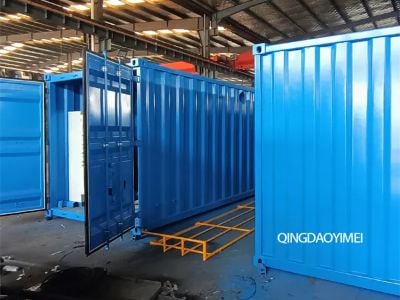
When planning a wastewater management plant, engineers must navigate a variety of considerations that influence both the design and functionality of the facility. Understanding what engineers consider when planning a wastewater plants is crucial for ensuring that the systems implemented are efficient, reliable, and compliant with environmental regulations. This article will help B2B buyers, including purchasing managers and engineers, understand key aspects such as design requirements, equipment selection, quality standards, sourcing, and cost factors.
What Engineers Look for in Wastewater Management Plant Design?
Engineers prioritize several factors when designing wastewater treatment plants. The primary focus is on the treatment efficiency and capacity of the facility, which must align with the expected wastewater volume and composition. Additionally, engineers consider the plant's layout to optimize space and workflow, ensuring that all processes such as screening, sedimentation, filtration, and disinfection are integrated seamlessly.
Another critical aspect is compliance with local and international environmental regulations. The design must include effective treatment methods that minimize pollution and meet discharge standards. Moreover, engineers assess the potential for future expansion, as the plant may need to accommodate increased wastewater flows or implement advanced treatment technologies over time.
Sustainability is also a growing concern in wastewater management. Engineers often look for ways to incorporate renewable energy sources, such as solar or wind, and to implement water recycling systems that can reduce the overall demand for freshwater.
How to Choose the Right Equipment for Wastewater Treatment?
Choosing the right equipment is vital for the success of any wastewater treatment plant. Engineers must evaluate various factors, including the specific processes being implemented, the type of wastewater solutions being treated, and the required treatment capacity. For example, primary treatment may require different equipment, such as screens and sedimentation tanks, compared to secondary treatment, which often utilizes biological processes.
Material selection is also important. Equipment should be made from corrosion-resistant materials that can withstand harsh chemicals and varying temperatures. For instance, stainless steel is commonly used for its durability, while polymer materials may be selected for certain applications due to their lightweight properties.
Customization capabilities play a significant role, as different facilities may require tailored solutions to meet specific operational needs. Engineers should communicate their requirements clearly to manufacturers like Qingdao Yimei Environment Project Co., Ltd., ensuring that the equipment meets both technical specifications and operational demands.
Evaluating Quality Standards in Wastewater Treatment Solutions
Quality standards are critical in the wastewater treatment industry, affecting both the performance and reliability of the equipment. Engineers must ensure that the equipment adheres to relevant international quality certifications, such as ISO standards, which demonstrate a commitment to quality management practices.
Additionally, it is important to evaluate the manufacturer's quality control processes. A reliable manufacturer will have stringent quality assurance protocols in place, including regular testing of equipment during production and comprehensive inspections before shipment. For instance, engineers should look for manufacturers that provide detailed documentation of testing results and compliance with industry standards.
Another consideration is the availability of spare parts and maintenance support. A manufacturer that offers robust after-sales service can help ensure that any equipment issues are addressed promptly, minimizing downtime and maintaining operational efficiency.
Where to Source Bulk Orders for Wastewater Management Systems?
Finding the right source for bulk orders of wastewater management systems is essential for cost-effective procurement. Engineers should consider manufacturers with a solid reputation in the industry, such as Qingdao Yimei Environment Project Co., Ltd., known for its extensive range of water treatment equipment.
When sourcing, it's beneficial to evaluate the manufacturer's production capacity and lead times. Understanding the minimum order quantities (MOQs) is also critical, as this can impact project budgets and timelines. Establishing relationships with suppliers that offer flexible ordering options and can accommodate varying project sizes can be advantageous.
Additionally, engineers should assess the logistics of sourcing equipment internationally, including shipping times and costs. A supplier with local branches or distribution centers can facilitate faster delivery and better support for after-sales service.
Cost Factors to Consider When Planning a Wastewater Facility
Cost is a significant factor in planning a wastewater management facility. Engineers must consider both initial capital expenditures and ongoing operational costs when evaluating solutions. The initial cost includes equipment purchase, installation, and any necessary civil work, while operational costs encompass energy consumption, maintenance, labor, and chemical usage.
It is crucial to conduct a total cost of ownership (TCO) analysis to understand the long-term financial implications of different equipment and systems. For instance, investing in more energy-efficient machinery may lead to higher upfront costs but can result in significant savings over time through reduced energy bills.
Additionally, engineers should factor in potential regulatory penalties for non-compliance with environmental standards, which can lead to costly fines and remediation efforts. By proactively addressing these issues during the planning phase, organizations can avoid unforeseen expenses and ensure a more sustainable operation.
Understanding what engineers consider when planning a wastewater management plant is essential for making informed decisions. By focusing on design, equipment selection, quality standards, sourcing, and cost factors, B2B buyers can ensure that their wastewater treatment system facilities are efficient, compliant, and able to meet their operational needs.
Table of Contents
- What Engineers Look for in Wastewater Management Plant Design?
- How to Choose the Right Equipment for Wastewater Treatment?
- Evaluating Quality Standards in Wastewater Treatment Solutions
- Where to Source Bulk Orders for Wastewater Management Systems?
- Cost Factors to Consider When Planning a Wastewater Facility