 EN
EN
 AR
AR
 BG
BG
 CS
CS
 DA
DA
 NL
NL
 FI
FI
 FR
FR
 EL
EL
 HI
HI
 IT
IT
 JA
JA
 KO
KO
 NO
NO
 PL
PL
 PT
PT
 RO
RO
 RU
RU
 ES
ES
 TL
TL
 ID
ID
 UK
UK
 ET
ET
 TR
TR
 AF
AF
 GA
GA
 MK
MK
 BN
BN
 NE
NE
 KK
KK
 SU
SU
 UZ
UZ


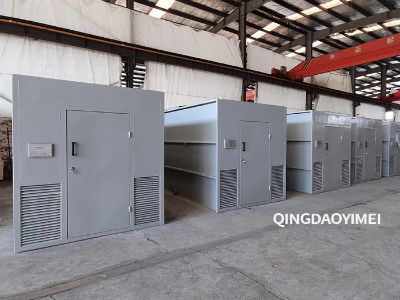
Integrated wastewater management is a modern approach that significantly differs from conventional treatment methods. It emphasizes a holistic, systems-based perspective, enabling efficient resource recovery and pollution reduction. For purchasing managers, engineers, and decision-makers, understanding these differences is crucial in selecting the right solution for their industrial or municipal needs. This article will delve into the unique aspects of integrated wastewater management, compare it with traditional methods, and provide insights into equipment specifications, industry applications, and sourcing reliable suppliers.
What Sets Integrated Wastewater Management Apart from Conventional Methods?
Integrated wastewater management (IWM) differs fundamentally from conventional treatment methods by promoting a comprehensive approach to water resource management. While traditional systems often focus solely on the treatment of wastewater to meet discharge standards, IWM encompasses the entire water cycle, including water conservation, reuse, and energy recovery. One of the key distinctions lies in the integration of various treatment processes. IWM employs a combination of physical, chemical, and biological methods tailored to specific wastewater characteristics, leading to improved efficiency and effectiveness. This multifaceted approach allows for the recovery of valuable resources, such as nutrients and energy, which can be reintegrated into the production cycle. Furthermore, IWM emphasizes stakeholder involvement and community engagement, ensuring that the treatment processes are aligned with local needs and environmental regulations. This contrasts with conventional methods, where decisions are often made without considering broader community impacts. For B2B buyers, investing in IWM systems can lead to long-term cost savings and sustainability benefits, making them a more attractive option compared to traditional treatments.
Key Specifications for Integrated Wastewater Management Equipment
When evaluating integrated wastewater management equipment, several key specifications must be considered to ensure optimal performance. First, the treatment capacity is crucial this should match the volume and characteristics of the wastewater being processed. Equipment designed for modularity can be particularly advantageous, allowing for scalability as demand fluctuates. Material selection also plays a vital role. Equipment should be constructed from durable materials resistant to corrosion, such as stainless steel or specialized polymers. This is essential for maintaining integrity in harsh chemical environments typically found in treatment of industrial wastewater applications. Additionally, energy consumption and efficiency ratings should be evaluated. Advanced systems often incorporate energy recovery technologies, which can significantly reduce operational costs. Buyers should also consider the automation capabilities of the equipment, which can enhance operational efficiency and reduce the need for manual oversight. Finally, ensure that the equipment complies with relevant environmental regulations and standards, as this can impact not only operational feasibility but also future scalability and market acceptance.
Common Problems in Wastewater Treatment and Effective Solutions
In the realm of wastewater treatment, several common challenges can arise, affecting system efficiency and compliance. One prevalent issue is the presence of pollutants that exceed treatment capacity. To combat this, integrated systems can be designed with advanced pre-treatment processes, such as screening and grit removal, to ensure that only suitable wastewater plants enters the main treatment phase. Another frequent problem is the generation of excess sludge, which can complicate disposal and increase costs. Implementing technologies such as anaerobic digestion can help mitigate this issue by converting sludge into biogas, which can then be utilized for energy production. Moreover, operational inefficiencies may arise from equipment failure or suboptimal performance. Regular maintenance schedules and real-time monitoring systems can be put in place to address this issue. By employing predictive maintenance strategies, operators can anticipate equipment failures before they occur, thereby minimizing downtime and maintaining compliance with discharge standards.
Where to Find Reliable Suppliers for Wastewater Management Equipment?
Finding a reliable supplier for wastewater management equipment is critical for ensuring quality and performance. Start by researching manufacturers with a strong track record in the industry, such as Qingdao Yimei Environment Project Co., Ltd., which has over 30 years of experience in designing and fabricating environmental protection equipment. Consider suppliers who offer comprehensive technical support and after-sales service. A supplier with branches in key regions can provide easier access to spare parts and timely assistance, which is essential for minimizing operational disruptions. Additionally, trade shows and industry conferences serve as excellent venues to meet potential suppliers, assess their products firsthand, and discuss specific needs. Online platforms and industry publications can also provide valuable insights and reviews, helping buyers make informed decisions. When contacting suppliers, be ready to provide detailed information about your specific requirements, including treatment capacity, wastewater characteristics, and any customization needs. This will enable suppliers to offer tailored solutions that best fit your operational context.
Applications of Integrated Wastewater Management in Various Industries
Integrated wastewater management systems find applications across various industries, each with unique treatment needs. In the food and beverage sector, for instance, wastewater often contains high organic loads. IWM systems can be designed to treat such wastewater efficiently while recovering valuable byproducts like biogas for energy use. In manufacturing, particularly in textile and chemical production, wastewater can have complex compositions requiring sophisticated treatment solutions.
IWM approaches can incorporate advanced filtration and membrane technologies to ensure compliance with stringent discharge regulations while allowing for water reuse within the facility. Municipal applications also benefit from IWM, especially in urban areas where water scarcity is a growing concern. By adopting integrated approaches, municipalities can enhance water quality, reduce environmental impacts, and develop sustainable practices that engage the community. In all these cases, the adaptability of integrated waste wastewater treatment to various industrial requirements underscores their value as a forward-thinking solution in the wastewater treatment landscape.
Table of Contents
- What Sets Integrated Wastewater Management Apart from Conventional Methods?
- Key Specifications for Integrated Wastewater Management Equipment
- Common Problems in Wastewater Treatment and Effective Solutions
- Where to Find Reliable Suppliers for Wastewater Management Equipment?
- Applications of Integrated Wastewater Management in Various Industries