 EN
 AR
 BG
 CS
 DA
 NL
 FI
 FR
 EL
 HI
 IT
 JA
 KO
 NO
 PL
 PT
 RO
 RU
 ES
 TL
 ID
 UK
 ET
 TR
 AF
 GA
 MK
 BN
 NE
 KK
 SU
 UZ


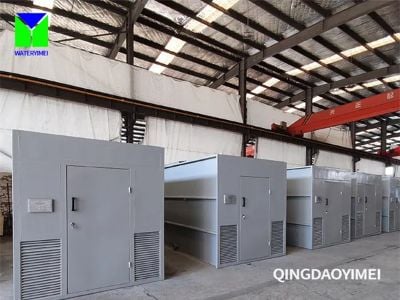
Effective wastewater management is crucial for environmental protection and public health, making the design of wastewater management plants a significant concern for B2B buyers in the industry. A key consideration in this design is understanding why process integration matters in wastewater management plant design. This article will delve into the importance of process integration, addressing buyer concerns such as efficiency, cost-effectiveness, and operational reliability. By exploring key specifications, challenges, and applications related to wastewater solutions, readers will gain insights that can aid in making informed purchasing decisions.
Key Specifications for Effective Wastewater Management Solutions
When evaluating wastewater management solutions, buyers should focus on several key specifications. These include the treatment capacity, energy efficiency, and the materials used in the construction of wastewater treatment equipment.
Treatment Capacity: This refers to the volume of wastewater a system can handle within a specified time frame. It's crucial to select a system that meets or exceeds expected flow rates to ensure peak performance during heavy usage.
Energy Efficiency: Energy consumption is a major operating cost in wastewater treatment. Buyers should look for systems that incorporate energy-efficient technologies, such as variable speed drives and advanced aeration techniques, which can significantly reduce operational costs.
Material Selection: The materials used in construction must withstand harsh chemical environments and corrosion. Stainless steel and high-density polyethylene (HDPE) are commonly used for their durability and longevity. Buyers should confirm that the chosen materials align with the chemical composition of the wastewater to avoid premature failure.
Understanding these specifications helps buyers assess the suitability of a wastewater treatment solution for their specific needs and operational conditions.
Process Integration in Wastewater Systems
Process integration in wastewater systems refers to the coordination and optimization of various treatment processes to enhance overall performance and efficiency. This approach allows for seamless operation across different stages of wastewater treatment, from preliminary screening to final discharge.
Improved Efficiency: Integrated systems can enhance energy recovery, reduce waste by-products, and optimize chemical usage. For example, integrating anaerobic digestion with biogas generation can convert organic waste into renewable energy, reducing overall operational costs.
Real-time Monitoring: Incorporating automated controls and real-time monitoring can enhance process integration. This enables operators to respond swiftly to fluctuations in wastewater characteristics, ensuring consistent treatment performance.
Space Optimization: An integrated design often requires less space compared to traditional systems, allowing for more efficient use of land and potentially lowering construction costs.
By focusing on process integration, buyers can ensure their systems operate more effectively, leading to higher productivity and lower long-term costs.
Common Challenges in Wastewater Management and Their Solutions
Designing and operating a wastewater management system comes with several challenges, but many can be addressed with the right strategies and technologies.
Regulatory Compliance: Ensuring that wastewater treatment meets local and national regulations can be complex. Buyers should work closely with suppliers who have a strong understanding of regulatory requirements and can provide wastewater equipment that meets these standards.
Variable Wastewater Quality: Seasonal changes and varying industrial discharges can lead to fluctuations in wastewater quality. Implementing advanced treatment technologies, such as membrane bioreactors, can help manage these variations effectively.
Maintenance and Reliability: Downtime due to equipment failure can be costly. Buyers should prioritize systems with proven reliability and consider extended warranties or service contracts that provide regular maintenance checks.
Addressing these challenges early in the design phase can save significant costs and ensure smoother operations in the long run.
Cost Factors to Consider in Wastewater Plant Design
When budgeting for wastewater plant design, several cost factors must be taken into account beyond just the initial capital investment.
Construction Costs: This includes expenses for materials, labor, and equipment. Buyers should obtain detailed quotes from multiple suppliers to ensure competitive pricing.
Operational Costs: Ongoing expenses, such as energy consumption, labor, and maintenance, should be estimated realistically. Energy-efficient systems may have higher upfront costs but can lead to lower operational costs over time.
Regulatory Costs: Compliance with environmental regulations can incur additional costs for monitoring and reporting. Buyers should consult with experts to understand these requirements and factor them into their budgets.
By thoroughly assessing these cost factors, buyers can develop a more accurate financial picture for their wastewater management projects.
Applications of Process Integration in Modern Wastewater Facilities
Process integration has revolutionized the way modern wastewater facilities operate, leading to numerous beneficial applications.
Resource Recovery: Integrated processes can enable the recovery of valuable resources, such as nutrients and energy. For instance, the coupling of biological treatment with resource recovery technologies allows for the extraction of phosphorus and nitrogen, which can be reused as fertilizers.
Decentralized Treatment Solutions: In areas where traditional centralized systems are impractical, integrated decentralized solutions can provide effective treatment. These systems can be tailored to local wastewater characteristics and community needs, improving sustainability.
Adaptive Management: Modern integrated systems can adapt to changing conditions, such as climate impacts or population growth. This flexibility allows facilities to remain effective over time, addressing both current and future wastewater management challenges.
Understanding these applications helps buyers appreciate the potential of integrated systems to deliver innovative solutions to wastewater management challenges.
By prioritizing process integration, buyers can enhance the performance and sustainability of their wastewater management systems, leading to better environmental outcomes and greater economic efficiency.