EN
EN
 AR
AR
 BG
BG
 CS
CS
 DA
DA
 NL
NL
 FI
FI
 FR
FR
 EL
EL
 HI
HI
 IT
IT
 JA
JA
 KO
KO
 NO
NO
 PL
PL
 PT
PT
 RO
RO
 RU
RU
 ES
ES
 TL
TL
 ID
ID
 UK
UK
 ET
ET
 TR
TR
 AF
AF
 GA
GA
 MK
MK
 BN
BN
 NE
NE
 KK
KK
 SU
SU
 UZ
UZ

High-COD wastewater is generated by a wide range of industries, including Fish Processing Wastewater Treatment Plant, food processing wastewater, chemical manufacturing Wastewater,textile wastewater, and semiconductor production. Because it contains a complex mixture of organic compounds with different levels of biodegradability, a single treatment process is often insufficient to meet discharge requirements. In practice, high COD wastewater treatment typically combines physical, chemical, and biological processes. Accurately assessing the wastewater’s COD characteristics is therefore essential for developing an effective treatment solution that balances treatment performance with operating costs.
Understanding Chemical Oxygen Demand (COD)
Chemical Oxygen Demand (COD) is one of the key water quality indicators used in wastewater treatment. It measures the amount of oxygen required to chemically oxidize organic pollutants and certain reducible inorganic substances in water under specific conditions. COD is typically expressed in mg/L (milligrams per liter).
A high COD level generally indicates a high concentration of oxidizable pollutants in wastewater. Common organic pollutants that contribute to COD include:
Proteins
Fats and oils
Carbohydrates
Organic solvents
Photoresist residues from semiconductor manufacturing
Certain reducible inorganic substances can also contribute to COD, including:
Nitrites
Ferrous ions
Sulfides
Common Challenges in High-COD Wastewater Treatment
The specific challenges of treating high-COD wastewater include the large amount of biodegradable organic matter it contains. When the organic load is high, a poorly managed wastewater treatment system may experience excessive biological loading, unstable operation, or insufficient removal efficiency. This is particularly important for food processing, fish processing, slaughterhouses, dairy production, breweries, and other manufacturing facilities that generate wastewater with high concentrations of biodegradable organic matter.
In addition, fluctuations in wastewater quality and flow, production schedules, raw materials, cleaning operations, and seasonal production may cause significant changes in COD, BOD, TSS, oil and grease, and pH levels. Without adequate equalization and pretreatment, these fluctuations can place additional pressure on downstream biological treatment units.
Achieving the required discharge or water reuse standards while controlling energy consumption, chemical usage, sludge generation, and operating costs requires careful process selection. Therefore, an effective high-COD wastewater treatment system should be designed according to the actual wastewater characteristics, flow rate, treatment objectives, and site conditions, rather than relying on a single treatment technology.
Importance of Chemical Oxygen Demand in Wastewater Treatment
Chemical Oxygen Demand (COD) provides a rapid indication of the overall pollutant load in wastewater and is a fundamental parameter for evaluating water quality. In practical wastewater treatment applications, COD is used not only to assess the pollution level of wastewater but also to support process design, equipment selection, and system operation.
For example, the COD concentration can help determine whether wastewater is suitable for biological treatment and whether additional pretreatment or advanced treatment processes may be required. Monitoring changes in COD levels can also provide valuable information about the operating condition of a wastewater treatment system, including fluctuations in influent loading, the stability of biological treatment, and changes in overall treatment efficiency.
How to Treat COD Wastewater?
First, identify the sources and characteristics of COD in the wastewater, and then develop an appropriate combination of treatment processes. Different forms of COD, including particulate, colloidal, dissolved, and refractory COD, require different treatment methods.
Pretreatment Stage
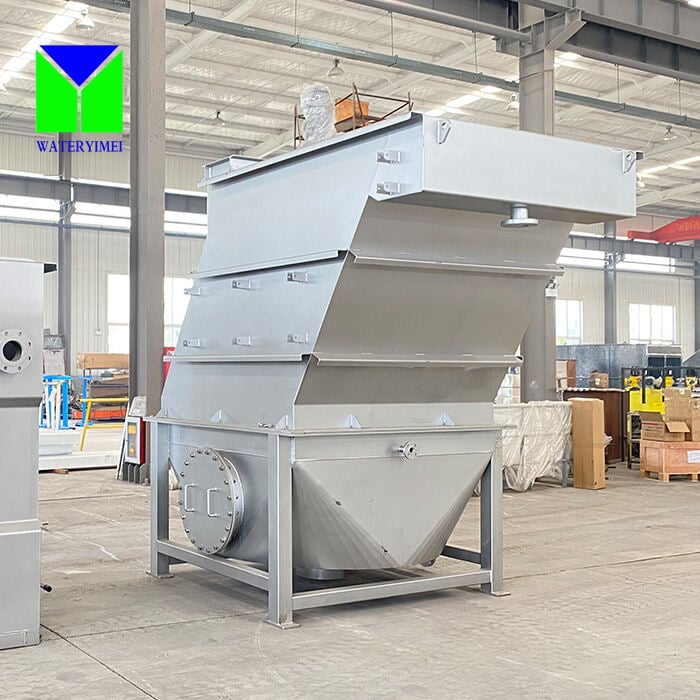
Coagulation and Flocculation:Adding coagulants and PAM flocculants helps small particles aggregate into larger flocs for easier separation and removal.
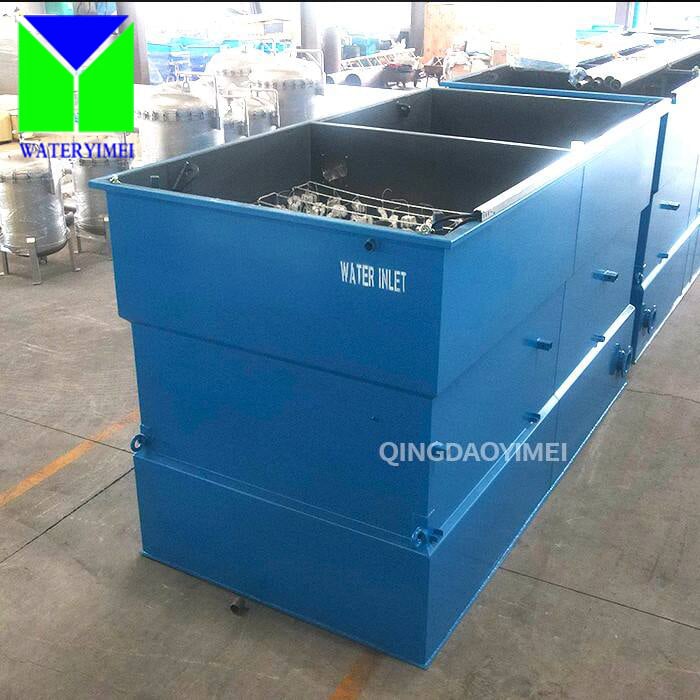
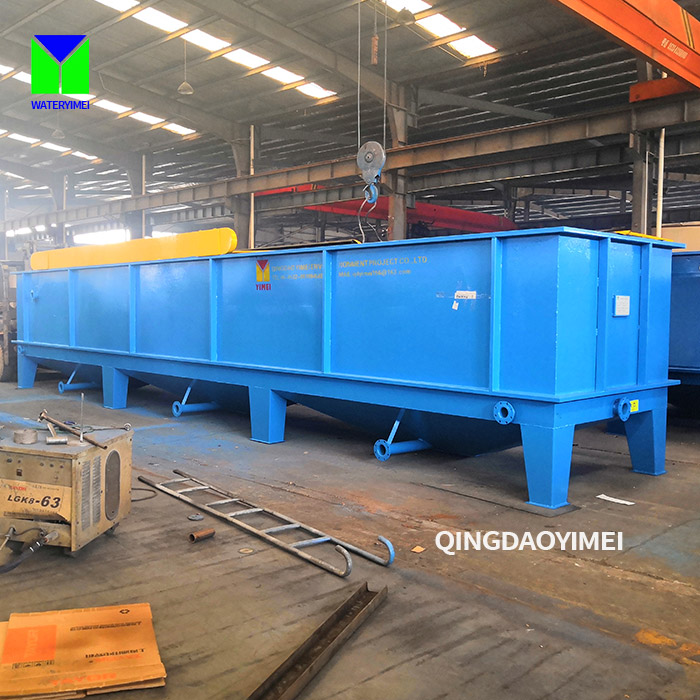
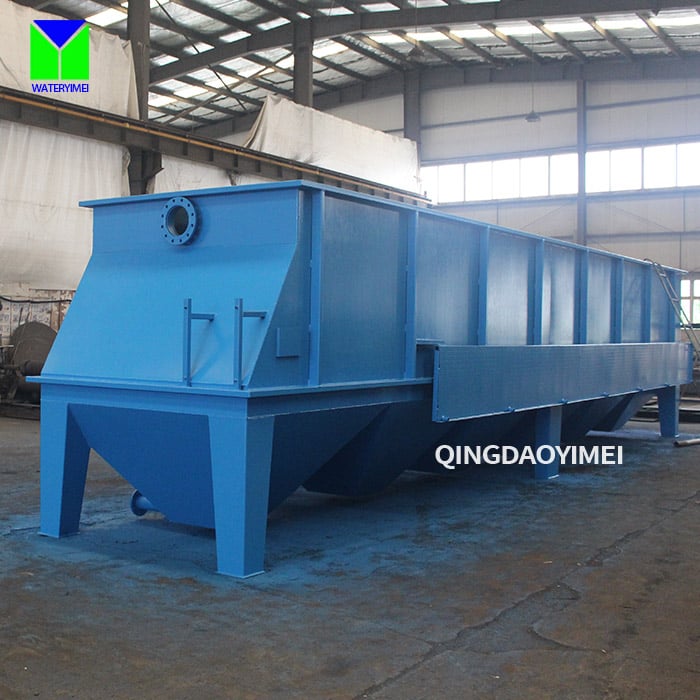
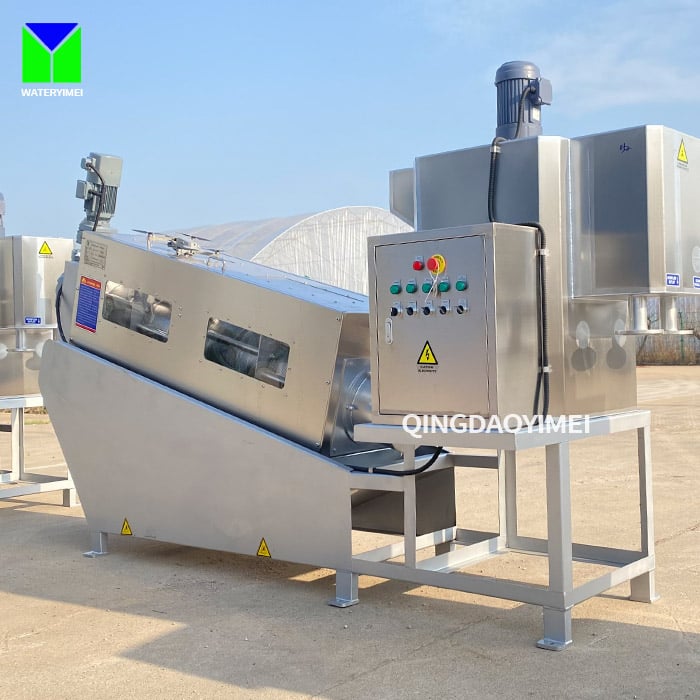
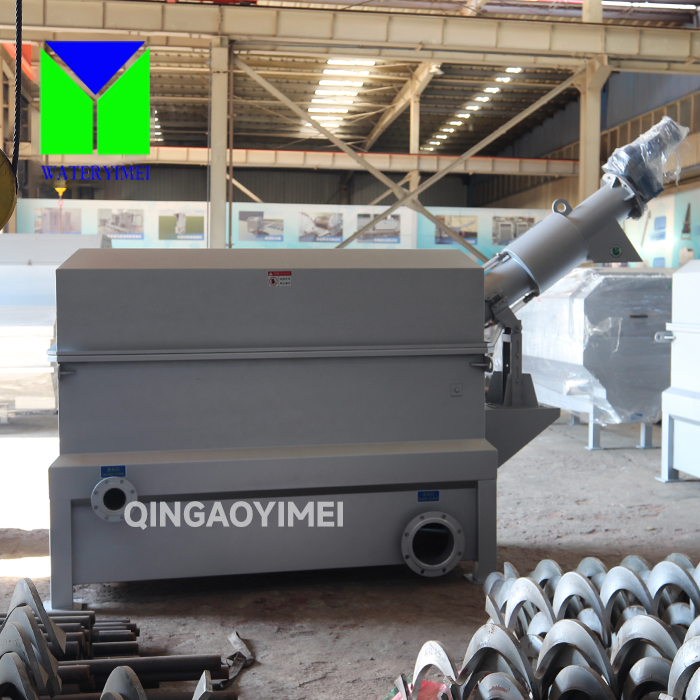
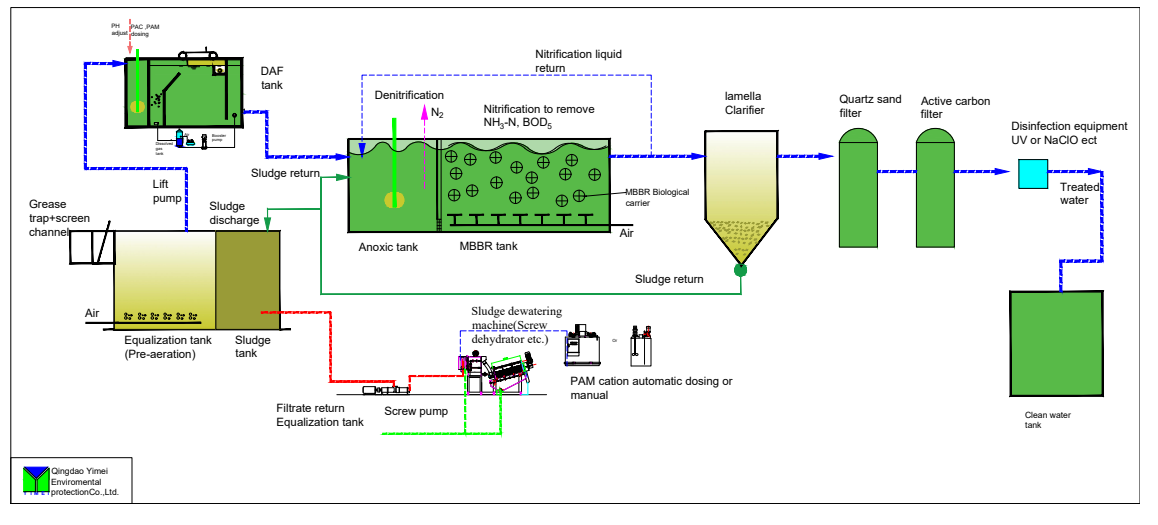
Dissolved Air Flotation:DAF is suitable for wastewater with high oil content or suspended solids, such as food processing wastewater and textile dyeing wastewater. Fine air bubbles carry particles to the water surface, where they can be skimmed off.
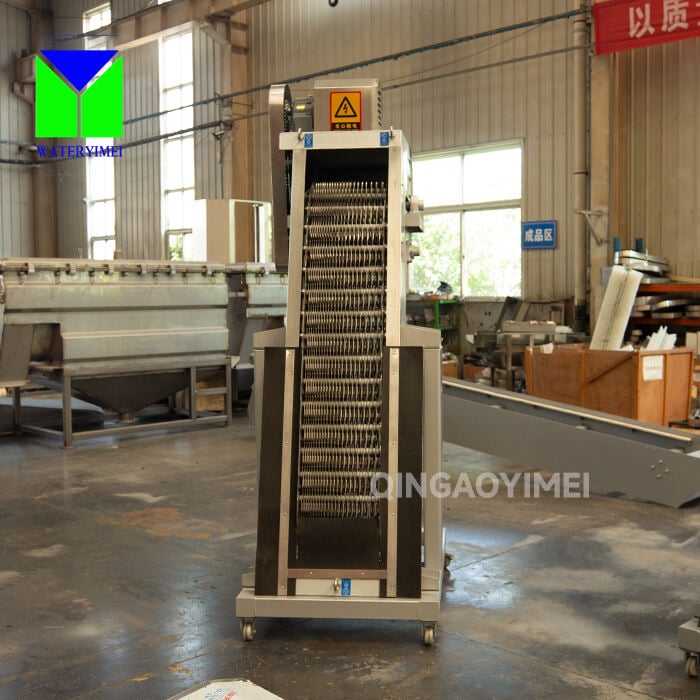
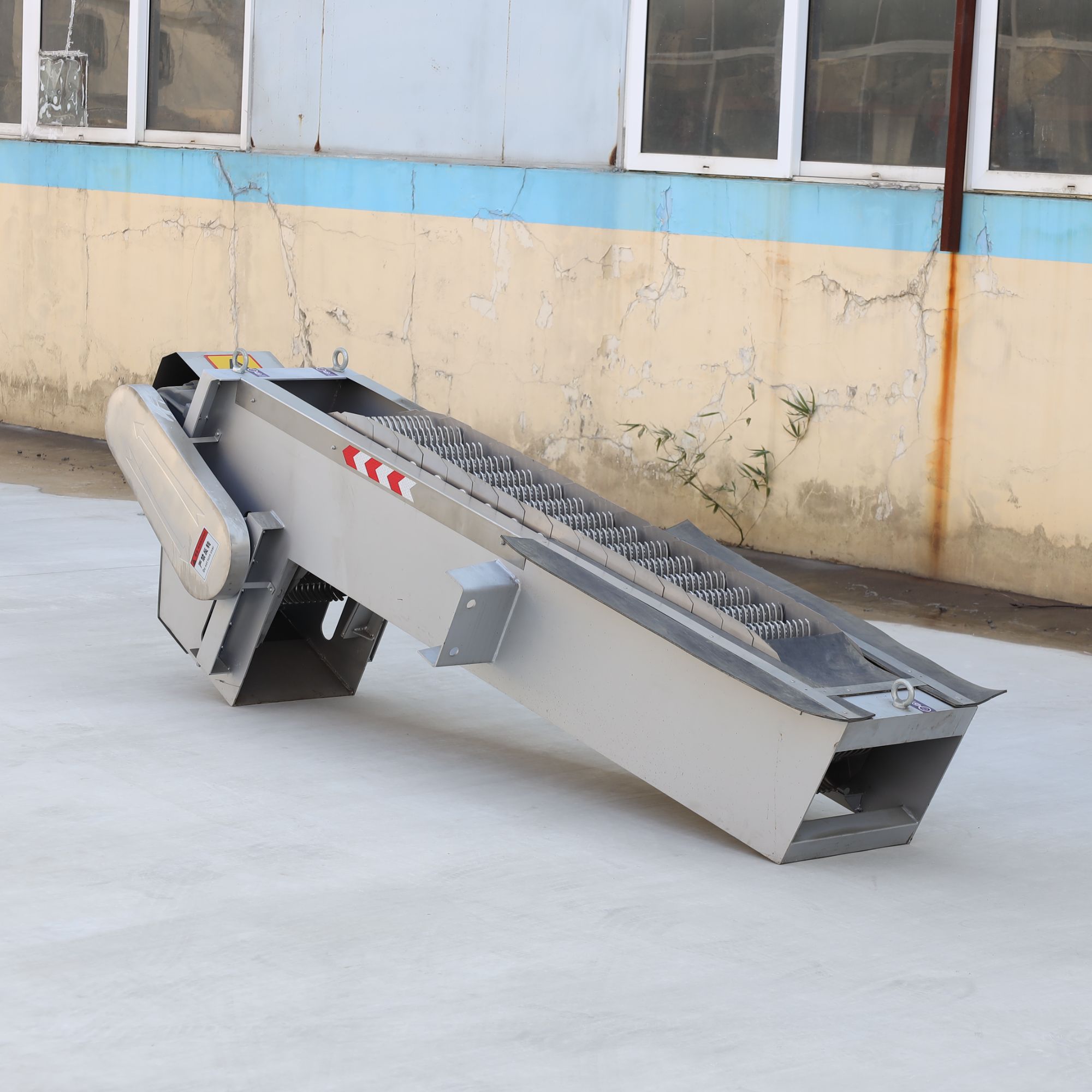
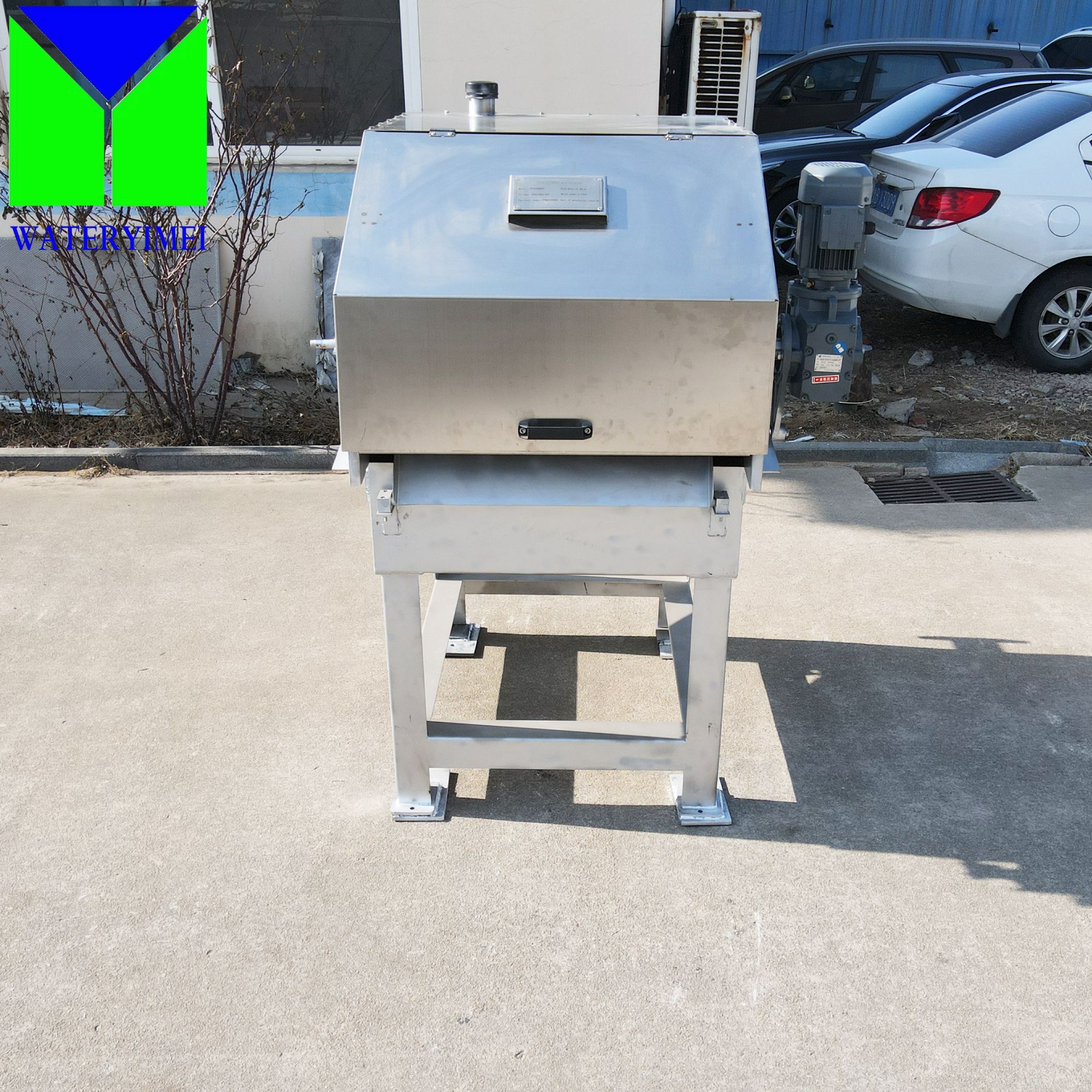
Screening:Screens intercept larger debris and solids to help prevent clogging of downstream pumps and treatment equipment.
Biological Treatment Stage
Anaerobic Biological Treatment: Uses microorganisms to degrade organic pollutants under oxygen-free or low-oxygen conditions. It is suitable for wastewater with a high organic load and has relatively low aeration energy requirements.
Aerobic Biological Treatment: Uses aerobic microorganisms to break down biodegradable organic matter and provides stable treatment performance.
Activated Sludge Process: Uses active microorganisms in an aeration tank to remove organic pollutants. It is a mature and widely used process for various types of industrial wastewater treatment, but it requires a relatively large land area.
MBBR (Moving Bed Biofilm Reactor): Uses suspended media to provide surfaces for microorganisms to attach and grow. It offers high treatment loading capacity, a relatively small footprint, and stable operation.
MBR (Membrane Bioreactor): Combines biological treatment with membrane separation technology to produce higher-quality treated water.
 |
 |
Advanced Treatment Stage
If the effluent from biological treatment still does not meet the required standards due to the presence of refractory COD, further treatment is required. Typical advanced treatment processes include:
Advanced Oxidation Processes (AOPs):
Use strong oxidation reactions to break down refractory organic pollutants. Processes such as ozone oxidation, electrochemical oxidation, and photocatalytic oxidation can be used to further reduce COD, color, and certain poorly biodegradable substances.
Activated Carbon Adsorption:
Uses the porous structure of activated carbon to adsorb residual organic matter, color, and certain trace pollutants. It is commonly used as an advanced treatment unit after biological treatment.
Sand or Multimedia Filtration:
Further removes suspended solids, fine particles, and residual turbidity, providing more stable influent conditions for subsequent disinfection or membrane treatment.
Ultrafiltration (UF):
Uses membrane separation to remove fine suspended solids, colloids, and macromolecular substances.
Reverse Osmosis (RO):
Uses a semi-permeable membrane to remove dissolved salts, organic matter, and other dissolved pollutants. It is particularly suitable for industrial water reuse projects with high treated-water quality requirements.
Specific Application of Fish Processing Wastewater Treatment
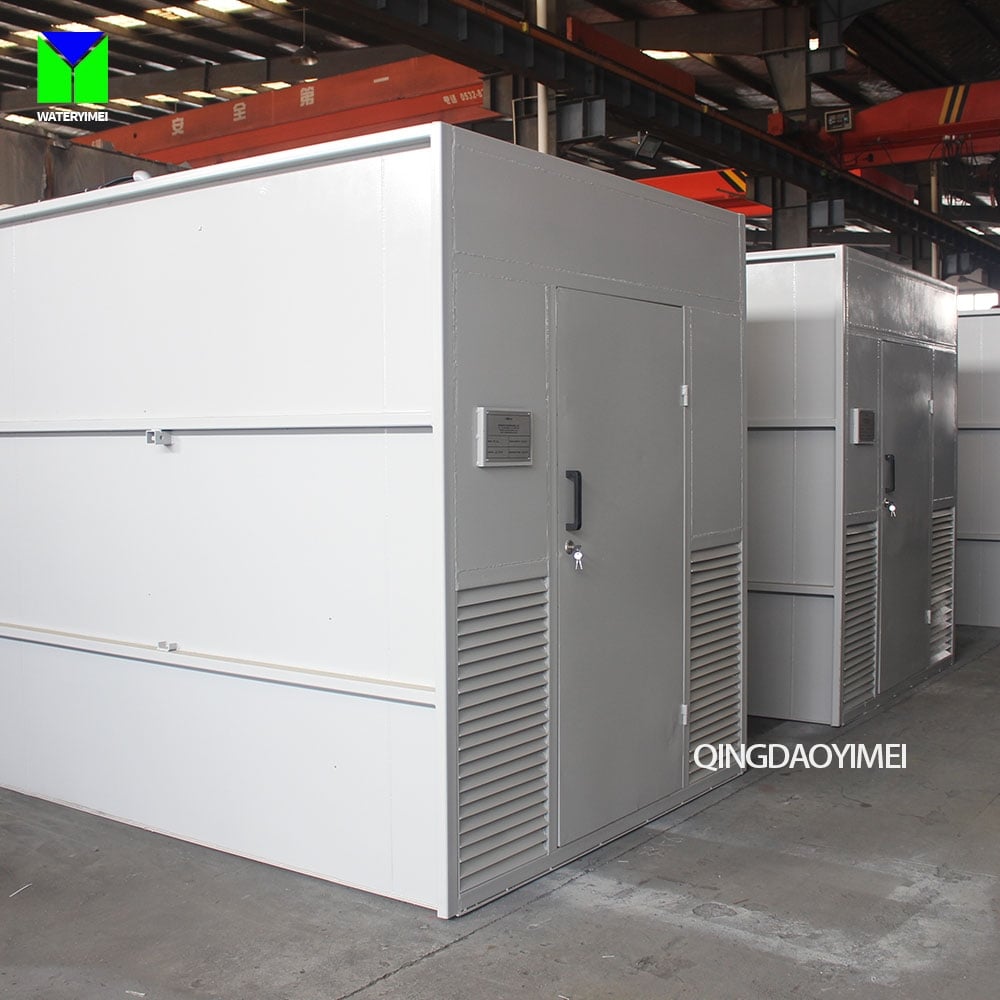
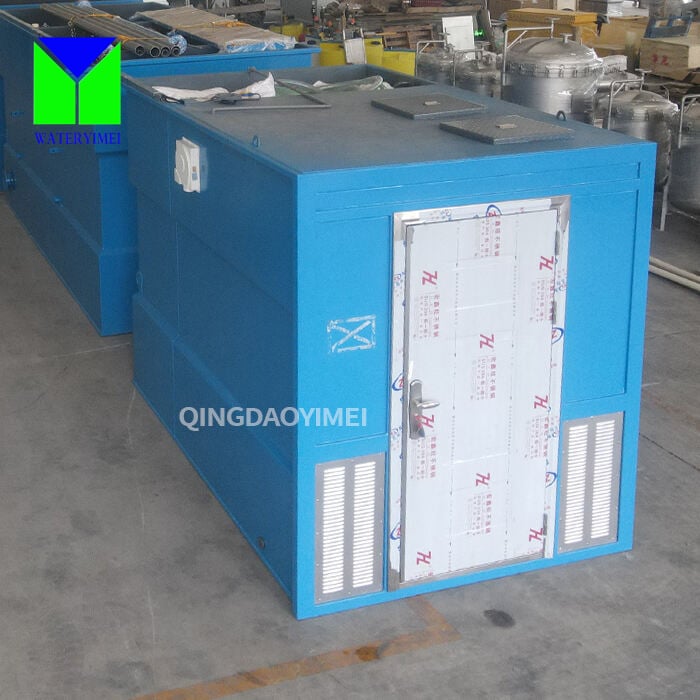
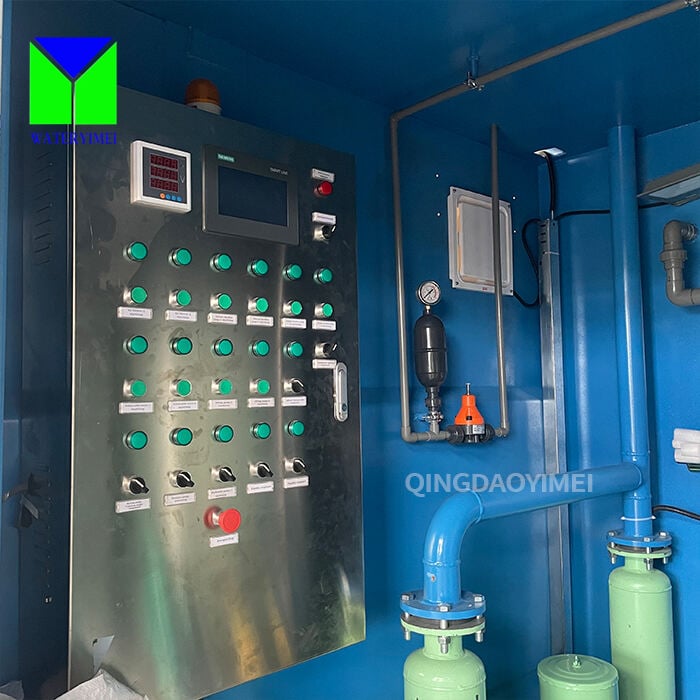
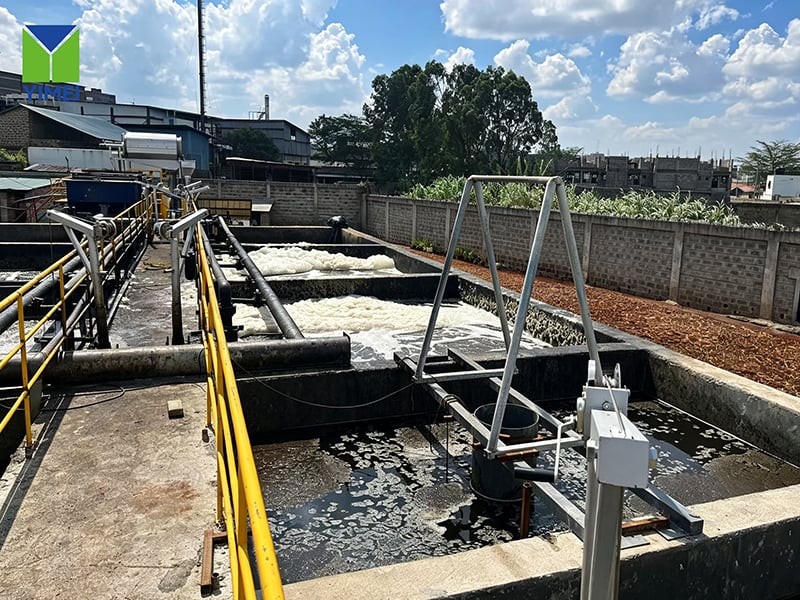
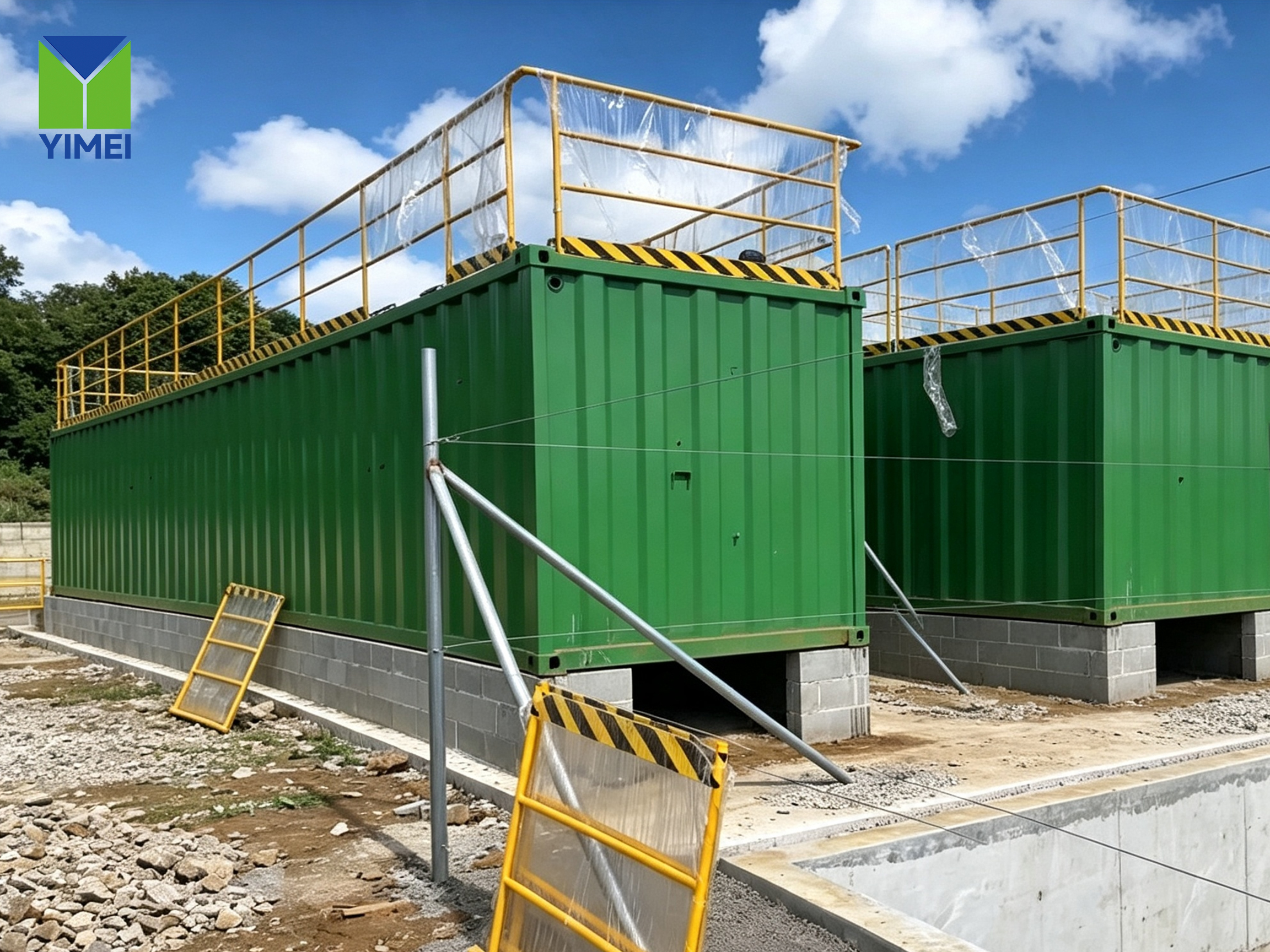
For example, the fish processing industry is a typical application for high-COD wastewater treatment. Yimei previously provided a fish processing wastewater treatment system for a local fish processing facility in Samoa, with a treatment capacity of 200 m³/day.
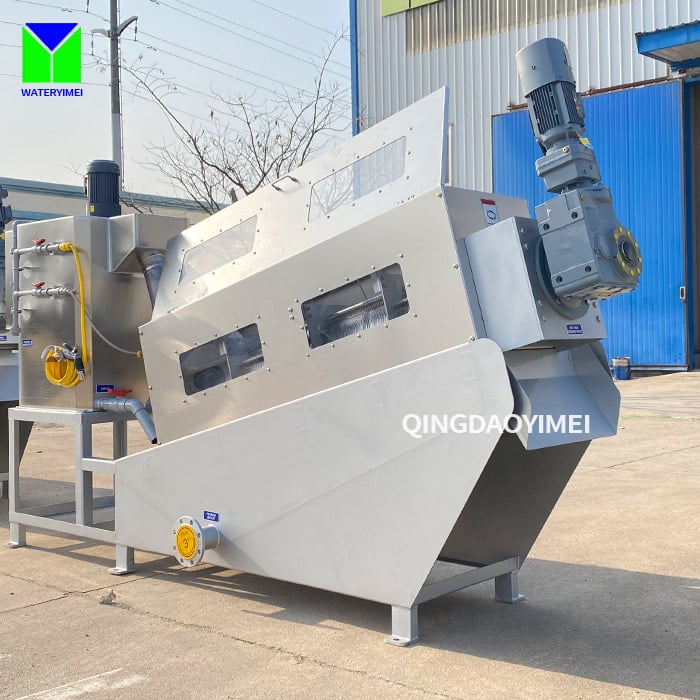
The project has been operating steadily for more than two years. The overall system integrates pretreatment and biological treatment processes to reduce organic pollutants and suspended solids while providing stable treated water quality.
For more information about our project cases, please visit Applications-Qingdao Yimei Environment Project Co., Ltd.
|
item |
Influent water quality data |
After pretreatment unit |
Effluent water quality data |
|
COD |
<2000 |
<750 |
<100 |
|
BOD |
<1000 |
<500 |
<50 |
|
TSS |
<500 |
<100 |
<5 |
|
FOG |
<250 |
<25 |
<5 |
|
NTK |
<150 |
<100 |
<14 |
Design water flow wastewater flow rate:200m3/d, design containerized waste water treatment plant capacity 200m3/d, Qave=8.4m3/h , 24 hours in operating, automatic control;
Copyright © Qingdao Yimei Environment Project Co., Ltd. All Rights Reserved Privacy policy