 EN
 AR
 BG
 CS
 DA
 NL
 FI
 FR
 EL
 HI
 IT
 JA
 KO
 NO
 PL
 PT
 RO
 RU
 ES
 TL
 ID
 UK
 ET
 TR
 AF
 GA
 MK
 BN
 NE
 KK
 SU
 UZ


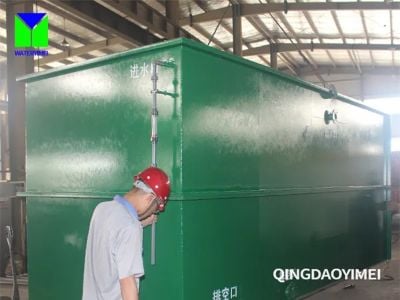
Managing variable inflow at wastewater treatment plants is a critical aspect of ensuring consistent and efficient operations. Wastewater management plant systems must be designed to handle fluctuations in inflow, which can result from varying weather conditions, industrial activities, or population changes. This article will explore how these systems manage variable inflow, the key specifications to consider, sourcing options for reliable equipment, quality evaluation, cost factors, and common challenges along with practical solutions.
Key Specifications to Consider for Wastewater Treatment Systems
When selecting wastewater treatment systems, several specifications should be carefully evaluated to ensure optimal performance under variable inflow conditions.
Flow Rate Capacity: The system must be capable of handling peak flow rates that can significantly exceed average flows. This is crucial for preventing overflow and ensuring compliance with environmental regulations.
Treatment Technology: Different technologies, such as activated sludge, membrane bioreactors, or biofilm reactors, have varied capabilities in managing fluctuating inflow. Understanding the specific treatment process and its adaptability to variable loads is essential.
Automation and Control Systems: Advanced control systems can adjust treatment processes in real-time based on inflow variations. Look for systems that include SCADA (Supervisory Control and Data Acquisition) technology for optimal monitoring and adjustment.
Material Durability: Systems should be constructed from corrosion-resistant materials that can withstand harsh wastewater conditions. This extends the lifespan of components and minimizes maintenance needs.
Modularity: A modular design can enhance scalability, allowing for easy upgrades or expansions in response to increased flow demands.
These specifications form the foundation of an effective wastewater treatment system, enabling it to adapt to changing inflow scenarios while maintaining treatment efficiency.
Where to Source Reliable Wastewater Management Equipment Wholesale?
Finding reliable suppliers for wastewater management equipment is essential for ensuring quality and performance. Here are some strategies to source equipment effectively:
Industry Trade Shows: Participating in or attending industry-specific trade shows can provide direct access to manufacturers and suppliers. This wastewater plants allows buyers to compare products, discuss specifications, and establish relationships with potential partners.
Online Marketplaces and Directories: Websites like ThomasNet or Alibaba can be valuable resources for finding manufacturers that specialize in wastewater treatment systems. Look for suppliers with verified reviews and a solid export history.
Local Distributors: Engaging local distributors can provide insights into regional market conditions and compliance requirements. They often offer after-sales services and spare parts, which are crucial for maintaining operational efficiency.
Industry Referrals: Networking with industry peers can lead to trusted recommendations for suppliers known for their quality and service.
It's essential to perform due diligence on suppliers by checking their manufacturing capabilities, certifications, and customer feedback before making a purchase.
Evaluating Quality in Wastewater Treatment Plant Components
Quality evaluation of components used in wastewater treatment systems is vital for ensuring long-term reliability and performance. Here are key factors to consider:
Certifications: Ensure that components meet relevant industry standards and certifications, such as ISO 9001 for quality management. This indicates adherence to international quality control processes.
Material Specifications: Components should be made from high-quality materials that are resistant to corrosion and wear. Buyers should verify the material properties against expected operational conditions.
Supplier Reputation: Researching the supplier's track record in the industry can provide insights into their reliability. Look for testimonials or case studies that showcase their experience in similar applications.
Testing Procedures: Inquire about the manufacturer's quality control processes. Rigorous testing during production can help identify defects early and ensure that components will perform as expected under variable conditions.
Warranty and Support: A robust warranty and responsive customer support can mitigate risks associated with component failures and enhance buyer confidence.
Evaluating these factors helps ensure that the components selected will function effectively within the overall wastewater management system.
Cost Factors When Implementing Variable Inflow Solutions
Understanding the cost factors involved in implementing solutions for variable inflow is essential for effective budgeting. Key considerations include:
Initial Capital Investment: This includes the cost of equipment, installation, and any necessary upgrades to existing infrastructure. Buyers should obtain detailed quotations that outline all associated costs.
Operational Costs: Regular maintenance, energy consumption, and labor costs should be estimated based on the expected load and operational conditions. Systems that require frequent adjustments may incur higher operational expenses.
Long-Term Sustainability: Investing in high-quality, durable equipment may result in lower long-term costs due to reduced maintenance and longer service life. Evaluate the total cost of ownership rather than just the initial purchase price.
Regulatory Compliance Costs: Ensuring that the system meets environmental regulations can incur additional costs for permits, monitoring equipment, and potential penalties for non-compliance.
Funding and Incentives: Explore funding opportunities or incentives from government programs focused on environmental protection and sustainable practices, which can offset some of the initial costs.
By carefully analyzing these cost factors, buyers can make informed decisions that align with their budget and operational goals.
Common Problems in Wastewater Systems and Practical Solutions
Wastewater management systems often face challenges due to variable inflow conditions. Here are some common problems and practical wastewater solutions:
Overloading and Bypass Issues: Sudden spikes in inflow can overwhelm treatment systems, leading to bypass situations. Implementing flow equalization basins can help manage peak flows by storing excess inflow temporarily.
Inadequate Treatment: Fluctuations in inflow can disrupt the biological processes in treatment systems. Employing real-time monitoring and automated control systems can adjust treatment processes dynamically to match varying loads.
Equipment Failures: Components may fail due to wear or unexpected conditions. Scheduling regular maintenance and using high-quality materials can reduce the risk of equipment breakdowns.
Odor and Emission Control: Increased inflow may exacerbate odors. Installing effective odor control systems, such as biofilters or activated carbon units, can mitigate this issue.
Regulatory Compliance Violations: Variability in inflow can lead to non-compliance with discharge limits. Continuous monitoring systems can ensure that treatment processes remain effective and compliant, allowing for timely adjustments when necessary.
Addressing these common problems with proactive solutions helps ensure the long-term success of wastewater management systems, enhancing their ability to handle variable inflow effectively.
Table of Contents
- Key Specifications to Consider for Wastewater Treatment Systems
- Where to Source Reliable Wastewater Management Equipment Wholesale?
- Evaluating Quality in Wastewater Treatment Plant Components
- Cost Factors When Implementing Variable Inflow Solutions
- Common Problems in Wastewater Systems and Practical Solutions