 EN
EN
 AR
AR
 BG
BG
 CS
CS
 DA
DA
 NL
NL
 FI
FI
 FR
FR
 EL
EL
 HI
HI
 IT
IT
 JA
JA
 KO
KO
 NO
NO
 PL
PL
 PT
PT
 RO
RO
 RU
RU
 ES
ES
 TL
TL
 ID
ID
 UK
UK
 ET
ET
 TR
TR
 AF
AF
 GA
GA
 MK
MK
 BN
BN
 NE
NE
 KK
KK
 SU
SU
 UZ
UZ


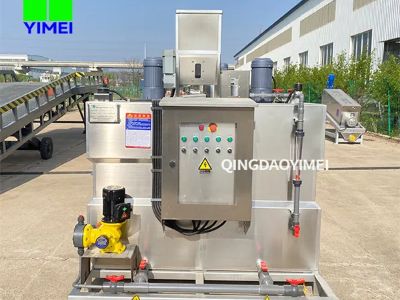
Effective process coordination is paramount in integrated wastewater management, ensuring that systems work seamlessly together to treat water efficiently and sustainably. As industries face increasing regulatory pressures and environmental responsibilities, understanding why process coordination matters becomes critical for purchasing managers, engineers, and other professionals involved in wastewater treatment. This article will shed light on the key aspects of effective process coordination, cost factors in sourcing treatment systems, common challenges faced, installation guidance, and applications of advanced wastewater treatment technologies.
Why Effective Process Coordination is Crucial for Wastewater Management
Effective process coordination in water and wastewater management involves the integration of various treatment processes to achieve optimal performance and compliance with environmental regulations. It ensures that each stage—from pre-treatment to final discharge—operates smoothly and efficiently. Poor coordination can lead to inefficiencies, increased operational costs, and potential regulatory non-compliance.
In an integrated system, components such as aeration tanks, clarifiers, and filtration units must work in sync. For example, if the aeration process is not properly aligned with the clarification stage, it can result in suboptimal sedimentation, leading to higher levels of pollutants in the treated water. This can necessitate further treatment, increasing both time and costs. Engineers and managers must assess the compatibility of equipment and processes to avoid these pitfalls, underscoring the importance of process coordination.
Cost Factors to Consider When Sourcing Wastewater Treatment Systems
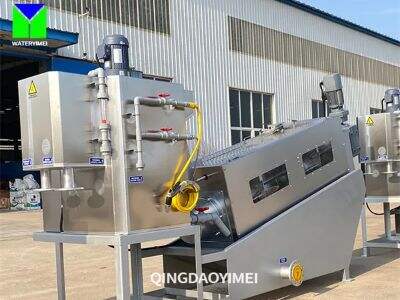
When sourcing wastewater treatment systems, various cost factors must be considered beyond the initial purchase price. These include installation expenses, operational costs, and maintenance requirements. For instance, advanced systems may have higher upfront costs but can lead to significant savings in energy and labor over time.
Buyers should also evaluate the total cost of ownership, which encompasses not only the purchase price but also the expected lifespan of the equipment, energy consumption, and the costs associated with spare parts and maintenance. It’s crucial to obtain detailed quotations that include these considerations, as well as potential customization options that could tailor the system to specific operational needs.
Additionally, regulatory compliance can incur costs that should be factored into the purchasing decision. Ensuring that the chosen system meets local regulatory requirements can save money in potential fines or retrofitting costs down the line.
Common Challenges in Wastewater Management and Their Solutions
Managing wastewater treatment systems presents several challenges, including fluctuating inflow rates, variations in contaminant loads, and maintaining equipment performance. These challenges can lead to operational inefficiencies and compliance issues if not properly addressed.
One common issue is the inconsistency in influent quality, which can affect the performance of biological treatment processes. Implementing real-time monitoring systems can help operators adjust treatment parameters on the fly, ensuring that the system remains effective despite variations.
Another challenge is the maintenance of equipment, which can lead to unexpected downtime. Establishing a proactive maintenance schedule based on manufacturer recommendations and operational data can mitigate this risk. Additionally, investing in training for staff on equipment operation and troubleshooting can enhance system reliability.
Qingdao Yimei Environment Project Co., Ltd., with its extensive experience in the design and fabrication of wastewater treatment equipment, emphasizes the importance of understanding these challenges and integrating solutions into the overall system design.
Installation Guidance for Integrated Wastewater Management Systems
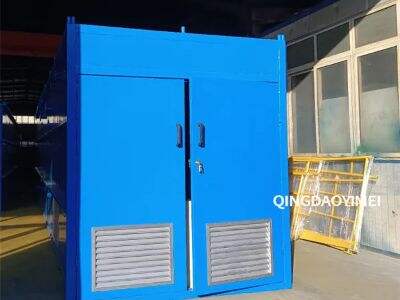
Proper installation of integrated wastewater management systems is crucial for ensuring optimal performance and longevity. Buyers should consider several factors during this phase. First, the installation location must be evaluated for accessibility, space, and environmental conditions, as these can affect both installation and future maintenance.
It's also essential to collaborate closely with the manufacturer during installation. Providing clear specifications for the site conditions and any specific operational requirements can help ensure that the system is set up correctly. For example, aligning equipment based on hydraulic and process flow is vital to avoid bottlenecks and ensure effective treatment.
Additionally, it's advisable to conduct a thorough inspection and testing of the system after installation. This step helps identify any potential issues early on, allowing for timely adjustments that can prevent operational disruptions.
Applications of Advanced Wastewater Treatment Technologies in Industry
Advanced wastewater treatment technologies are increasingly being adopted across various industries, driven by the need for sustainable practices and regulatory compliance. These technologies include membrane bioreactors, advanced oxidation processes, and resource recovery systems.
For instance, membrane bioreactors combine biological treatment with membrane filtration, allowing for high-quality effluent suitable for reuse applications. This technology is particularly beneficial in industries where water scarcity is a concern.
Furthermore, resource recovery systems can convert waste into valuable byproducts, such as biogas or fertilizers, creating a circular economy within the wastewater treatment process. These applications not only enhance sustainability but also contribute to cost savings over time.
When considering advanced technologies, it’s important for purchasing managers to evaluate their compatibility with existing systems, expected performance improvements, and the total cost of ownership, including potential savings from resource recovery.
understanding the intricacies of process coordination in integrated integrated wastewater management is essential for effective operation. By considering the outlined factors, buyers can make informed decisions that align with their operational needs and sustainability goals.
Table of Contents
- Why Effective Process Coordination is Crucial for Wastewater Management
- Cost Factors to Consider When Sourcing Wastewater Treatment Systems
- Common Challenges in Wastewater Management and Their Solutions
- Installation Guidance for Integrated Wastewater Management Systems
- Applications of Advanced Wastewater Treatment Technologies in Industry