 EN
EN
 AR
AR
 BG
BG
 CS
CS
 DA
DA
 NL
NL
 FI
FI
 FR
FR
 EL
EL
 HI
HI
 IT
IT
 JA
JA
 KO
KO
 NO
NO
 PL
PL
 PT
PT
 RO
RO
 RU
RU
 ES
ES
 TL
TL
 ID
ID
 UK
UK
 ET
ET
 TR
TR
 AF
AF
 GA
GA
 MK
MK
 BN
BN
 NE
NE
 KK
KK
 SU
SU
 UZ
UZ


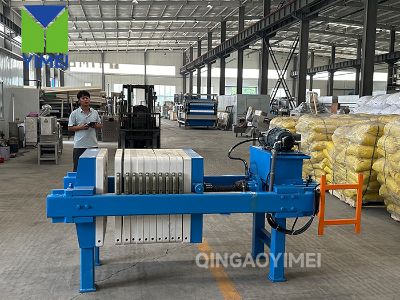
Automated sludge press machine systems are crucial in wastewater treatment, streamlining the dewatering process and reducing sludge volume. As industries increasingly focus on sustainability and efficiency, staying updated on the latest trends in automated sludge press systems becomes essential for purchasing managers, engineers, and environmental professionals. This article will delve into how to choose the right automated sludge press for your project, key specifications to consider, common issues and solutions, applications in wastewater treatment, and the benefits of high-quality materials in manufacturing these systems
How to Choose the Right Automated Sludge Press for Your Project
Selecting the appropriate automated sludge press machine involves assessing various factors that align with your specific project requirements. Start by evaluating the characteristics of the sludge to be treated, including its composition, viscosity, and dewatering performance. Different sludge types—such as municipal, industrial, or mixed—require tailored solutions
Additionally, consider the throughput capacity of the machine and how it fits within your operational workflow. Automated sludge presses vary in size, and choosing a unit that can handle your peak sludge volume without overloading is crucial
Lastly, think about your facility's available space and the installation requirements of the machine. Ensure that the selected model complies with local regulations and standards, which can vary by region. A manufacturer experienced in the industry, like Qingdao Yimei Environment Project Co., Ltd., can provide insights into the best options based on these considerations
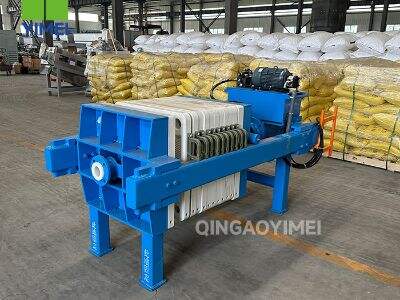
Key Specifications to Evaluate in Sludge Press Machine Systems
When evaluating automated sludge press systems, several key specifications are vital for ensuring optimal performance
Dewatering Rate: This is typically measured in liters per hour and indicates how quickly the machine can process sludge. A higher rate may be necessary for facilities with larger volumes of sludge
Pressure Capacity: The maximum pressure the press can achieve is crucial for effective dewatering. Higher pressures usually result in lower residual moisture in the cake but may require specific material considerations to withstand the stress
Material of Construction: The materials used in the construction of the sludge press, such as stainless steel or high-strength polymers, directly affect durability and resistance to corrosion, especially in harsh operating environments
Automation Features: Look for systems equipped with advanced control panels and sensors that optimize performance and reduce manual intervention, enhancing operational efficiency
Footprint and Design: The physical dimensions and design of the machine should be compatible with your facility layout. Compact designs may be preferred in space-constrained environments
By understanding these specifications, buyers can make informed decisions that align with their operational needs and budget constraints
Common Problems with Sludge Press Machines and Their Solutions
Automated sludge filter presses can encounter various operational challenges that may hinder their performance. Addressing these issues promptly is essential for maintaining efficiency
Clogging: A common problem in sludge presses is clogging, often caused by oversized particles or foreign materials. Regular inspections and pre-screening of incoming sludge can help mitigate this issue
Inconsistent Dewatering Performance: Variations in sludge composition can lead to inconsistent performance. Implementing a monitoring system that adjusts the press settings based on real-time sludge characteristics can enhance dewatering efficiency
Wear and Tear: Parts like filter cloths and seals can degrade over time. Establishing a routine maintenance schedule and keeping spare parts on hand can prevent unexpected downtime
Control System Failures: Automated systems rely heavily on electronic components. Ensuring that control systems are regularly updated and maintained can help prevent operational issues
Understanding these common problems and their solutions can help operators maintain optimal performance and extend the lifespan of their sludge press systems
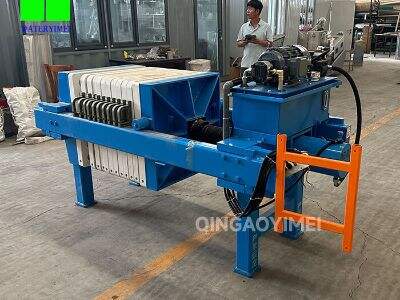
Applications of Automated Sludge Press Systems in Wastewater Treatment
Automated sludge press systems are versatile and can be applied in various wastewater treatment scenarios, including
Municipal Wastewater Treatment: These systems are commonly used in municipal treatment plants to reduce the volume of sludge generated during the treatment process, facilitating easier disposal or further processing
Industrial Wastewater Treatment: Industries, such as food processing, pharmaceuticals, and chemicals, generate specific types of sludge that require tailored dewatering solutions. Automated sludge presses can effectively handle these diverse waste streams
Sludge Thickening: In some cases, sludge presses are utilized for thickening sludge before further treatment, improving the efficiency of subsequent processes
Biosolids Management: Properly treated sludge can be transformed into biosolids, which can be Repurposed as fertilizers. Automated sludge presses help achieve the dewatering necessary for this transformation
These applications highlight the importance of selecting the right automated sludge press for your specific needs, ensuring efficient and sustainable wastewater management
The Benefits of Using High-Quality Materials in Sludge Press Manufacturing
The materials used in the manufacturing of automated sludge presses play a significant role in their performance and longevity. Here are some benefits of high-quality materials
Durability: High-quality materials, such as stainless steel or specialized polymers, resist corrosion and wear, leading to a longer lifespan for the equipment
Efficiency: Machines built with superior materials often perform better under stress, maintaining consistent dewatering rates and minimizing downtime due to maintenance or repairs
Lower Operating Costs: While high-quality materials may require a larger initial investment, they often lead to lower operating costs over time due to reduced maintenance needs and enhanced performance
Compliance with Standards: Quality materials ensure that machines meet stringent industry standards and regulations, which is particularly important in sectors dealing with hazardous or sensitive waste
By recognizing the importance of material quality, buyers can make more informed decisions that positively impact their operational efficiency and overall project success
In summary, understanding the latest trends in automated sludge filter press machine systems is essential for making informed purchasing decisions in the wastewater treatment industry. By focusing on the right specifications, anticipating common challenges, and recognizing the importance of material quality, buyers can choose the most effective solutions for their specific needs
Table of Contents
- How to Choose the Right Automated Sludge Press for Your Project
- Key Specifications to Evaluate in Sludge Press Machine Systems
- Common Problems with Sludge Press Machines and Their Solutions
- Applications of Automated Sludge Press Systems in Wastewater Treatment
- The Benefits of Using High-Quality Materials in Sludge Press Manufacturing