 EN
EN
 AR
AR
 BG
BG
 CS
CS
 DA
DA
 NL
NL
 FI
FI
 FR
FR
 EL
EL
 HI
HI
 IT
IT
 JA
JA
 KO
KO
 NO
NO
 PL
PL
 PT
PT
 RO
RO
 RU
RU
 ES
ES
 TL
TL
 ID
ID
 UK
UK
 ET
ET
 TR
TR
 AF
AF
 GA
GA
 MK
MK
 BN
BN
 NE
NE
 KK
KK
 SU
SU
 UZ
UZ


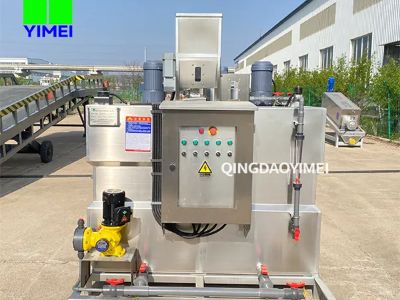
Designing a sludge treatment plant involves careful consideration of various factors to ensure efficiency, reliability, and compliance with environmental standards. Understanding what engineers look for when designing a sludge treatment plant is crucial for making informed decisions regarding equipment selection and system layout. This article will address the main concerns of B2B buyers, including product quality, supplier reliability, installation challenges, and technology specifications, providing insights that will aid in the process of selecting the right solutions for wastewater treatment needs.
How to Evaluate the Quality of Sludge Treatment Equipment?
When evaluating the quality of sludge treatment equipment, several key specifications and features should be assessed. First, consider the materials used in construction. High-quality materials can resist corrosion and wear, thereby extending the lifespan of the equipment. For instance, stainless steel or specialized alloys are often preferred in environments exposed to harsh chemicals or high moisture levels.
Next, examine the equipment’s design and manufacturing processes. A reputable manufacturer, such as Qingdao Yimei Environment Project Co., Ltd., will have established quality control processes that ensure consistent performance. Look for certifications that reflect adherence to industry standards, as these can be indicators of quality assurance.
Additionally, assess the equipment’s operational efficiency and maintenance requirements. Equipment that is easy to maintain can reduce downtime and operating costs. It’s advisable to inquire about the manufacturer's after-sales service, including access to spare parts, which can greatly influence the longevity and reliability of the treatment plant. 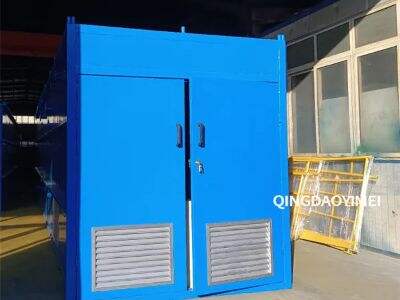
Where to Find Reliable Suppliers for Sludge Treatment Solutions?
Finding reliable suppliers for sludge treatment solutions involves a systematic approach. Start by researching companies with a proven track record in the industry. Suppliers should ideally have experience in designing and fabricating sludge treatment systems, as well as positive customer reviews. Engaging with industry associations or attending trade shows can also yield valuable connections.
Check for suppliers that offer comprehensive technical support and after-sales service. A company like Qingdao Yimei Environment Project Co., Ltd., with branches in key regions, can provide localized support, ensuring easier access to spare parts and service.
Moreover, it’s beneficial to evaluate their manufacturing capabilities. Look for suppliers that can demonstrate a variety of equipment options and customization capabilities to meet specific project requirements. Request case studies or references to understand how they have addressed similar projects in the past.
Common Installation Challenges in Sludge Treatment Plants and Solutions
Installation of sludge treatment plants can present several challenges. One common issue is site accessibility, which can complicate the transportation and installation of large equipment. To mitigate this, it's essential to conduct a thorough site assessment during the planning phase. This includes evaluating the layout, existing infrastructure, and potential obstructions.
Another challenge can arise from coordinating between various contractors and stakeholders involved in the project. Clear communication and established timelines are critical to ensure smooth collaboration. Implementing a project management tool can help keep all parties informed and aligned.
Lastly, technical challenges such as connecting the equipment to existing systems and ensuring proper electrical and plumbing configurations require careful planning. Engaging with experienced engineers and suppliers who can provide installation guidance is crucial. For instance, having technical representatives from manufacturers like Qingdao Yimei Environment Project Co., Ltd. on-site during installation can help address issues as they arise. 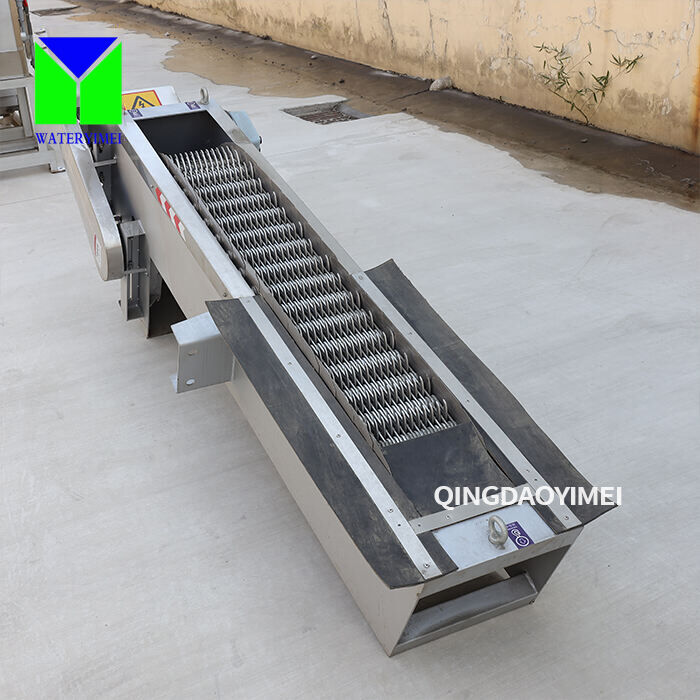
Comparing Specifications of Sludge Treatment Technologies for Projects
When comparing specifications of sludge treatment equipment technologies, consider the specific needs of your project. Key aspects to evaluate include:
Capacity and Throughput: Assess the expected volume of sludge to be treated and ensure the equipment can handle peak loads without compromising performance.
Energy Efficiency: Energy consumption is a significant operational cost. Look for technologies that offer energy-efficient solutions, such as those with optimized aeration systems or advanced control mechanisms.
Treatment Methods: Different technologies, such as anaerobic digestion or thermal drying, have unique operational characteristics and suitability for various sludge types. Understanding the implications of each method on treatment efficiency and end-product quality is essential.
Operational Flexibility: Technologies that allow for adjustments based on varying sludge characteristics can improve operational resilience. Consider systems that can adapt to changes in the sludge feed, such as variations in composition or concentration.
It’s advisable to consult with suppliers about the technical specifications that best align with your project's specific requirements and constraints. Doing so can enhance the effectiveness of your sludge treatment solution.
Understanding the Applications of Sludge Treatment Systems in Industry
Sludge treatment systems find applications across various industries, each with specific requirements. In municipal wastewater treatment, for example, systems must comply with stringent regulatory standards for effluent quality. This often involves multi-stage treatment processes that ensure pollutants are adequately removed.
In industrial contexts, such as food processing or pharmaceuticals, sludge may contain higher concentrations of organic materials or hazardous substances. Consequently, treatment systems must be capable of handling these unique challenges while maintaining efficiency.
Moreover, the selection of technology can depend on the final use of the treated sludge. For instance, in agricultural applications, treated sludge may be repurposed as fertilizer, necessitating systems that meet health and safety regulations.
Understanding the specific application requirements will help in selecting the appropriate sludge treatment technology. Engaging with experienced suppliers, like Qingdao Yimei Environment Project Co., Ltd., can provide insights into the best practices and technologies suited for different industrial needs.
Table of Contents
- How to Evaluate the Quality of Sludge Treatment Equipment?
- Where to Find Reliable Suppliers for Sludge Treatment Solutions?
- Common Installation Challenges in Sludge Treatment Plants and Solutions
- Comparing Specifications of Sludge Treatment Technologies for Projects
- Understanding the Applications of Sludge Treatment Systems in Industry