EN
EN
 AR
AR
 BG
BG
 CS
CS
 DA
DA
 NL
NL
 FI
FI
 FR
FR
 EL
EL
 HI
HI
 IT
IT
 JA
JA
 KO
KO
 NO
NO
 PL
PL
 PT
PT
 RO
RO
 RU
RU
 ES
ES
 TL
TL
 ID
ID
 UK
UK
 ET
ET
 TR
TR
 AF
AF
 GA
GA
 MK
MK
 BN
BN
 NE
NE
 KK
KK
 SU
SU
 UZ
UZ

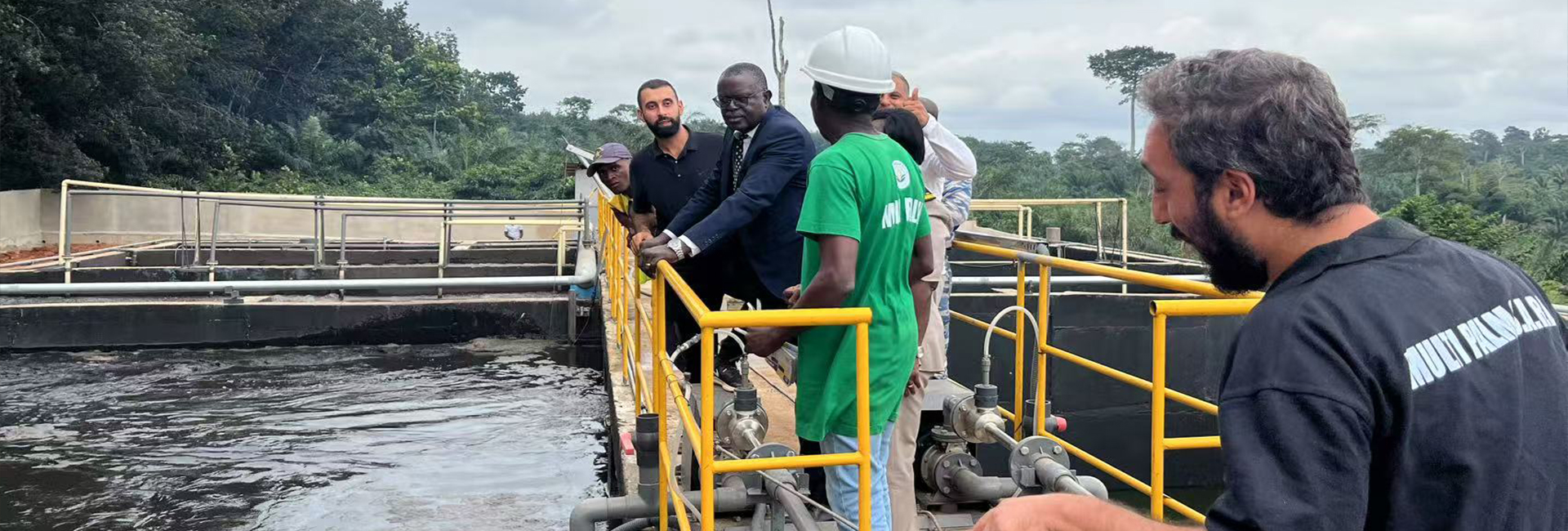
Wastewater Characteristics Palm oil mill effluent (POME) is mainly generated during fresh fruit bunch sterilization, oil pressing, clarification, equipment cleaning, and site washdown operations. It is typically characterized by high wastewater ...
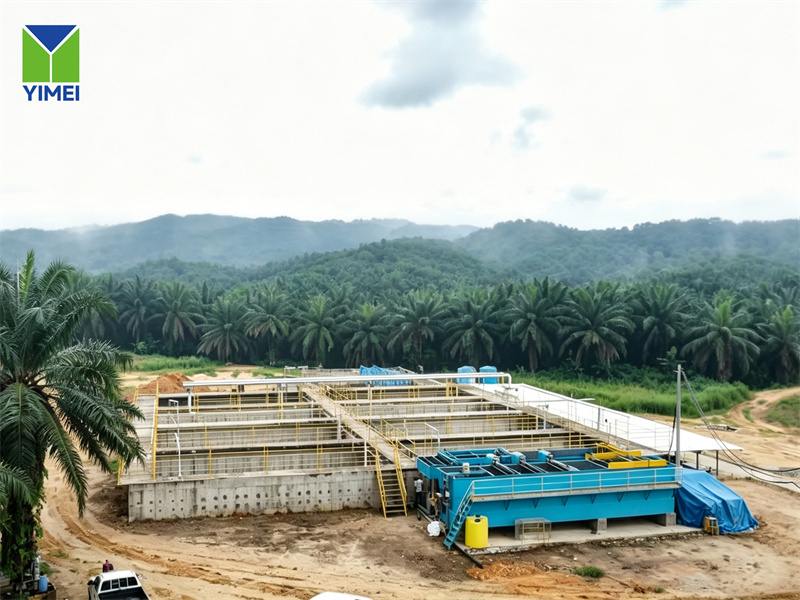
Wastewater Characteristics
Palm oil mill effluent (POME) is mainly generated during fresh fruit bunch sterilization, oil pressing, clarification, equipment cleaning, and site washdown operations. It is typically characterized by high wastewater volumes, elevated concentrations of organic matter, suspended solids, fats, oils and grease, dark coloration, relatively high temperatures, and good biodegradability. The effluent may also contain high levels of chemical oxygen demand (COD), biochemical oxygen demand (BOD₅), and nutrients. If discharged without effective treatment, POME can contribute to eutrophication, unpleasant odors, and broader environmental pollution. Therefore, a palm oil wastewater treatment system must be capable of handling high organic loads, maintaining stable performance, and adapting to seasonal fluctuations in wastewater flow.
Main Treatment Process
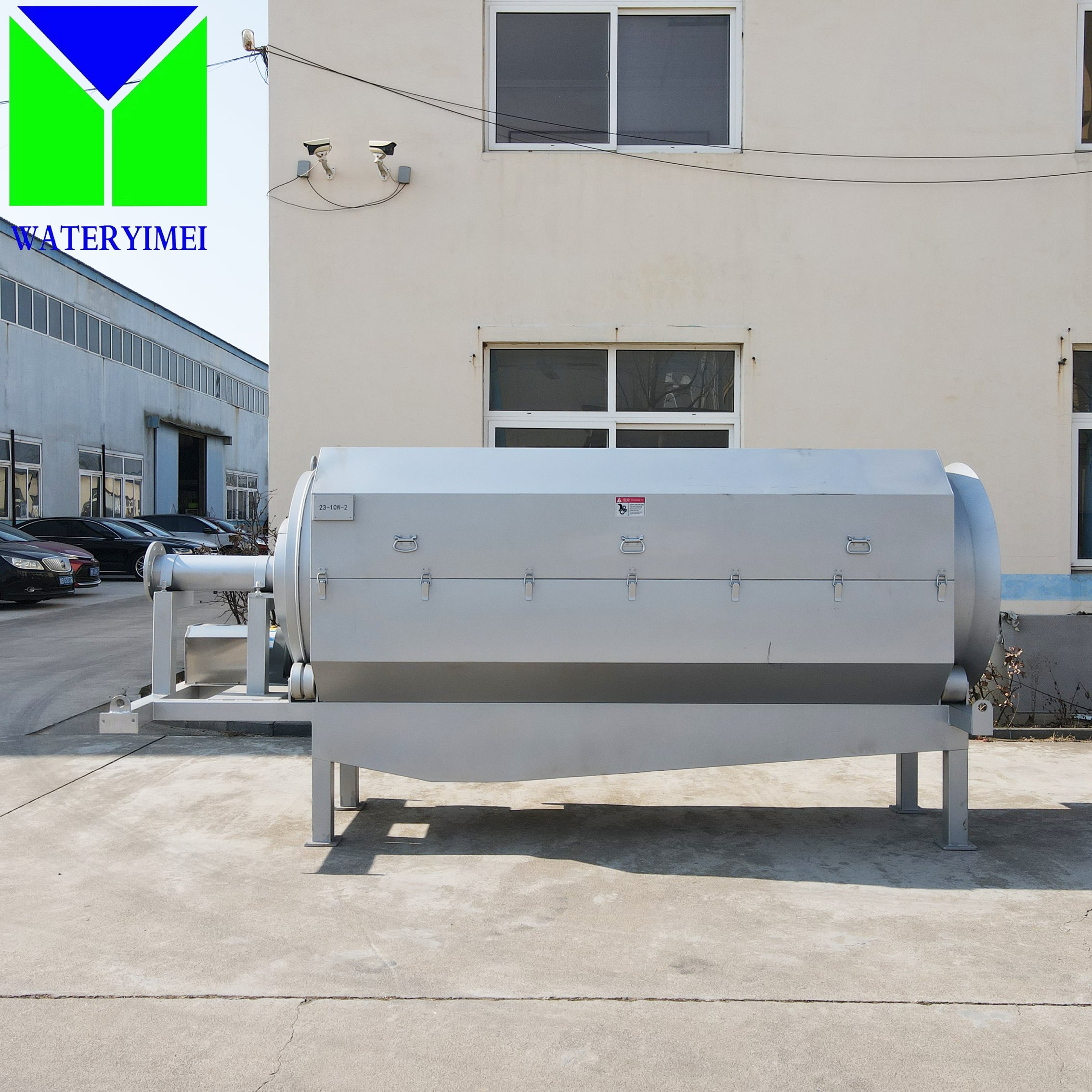
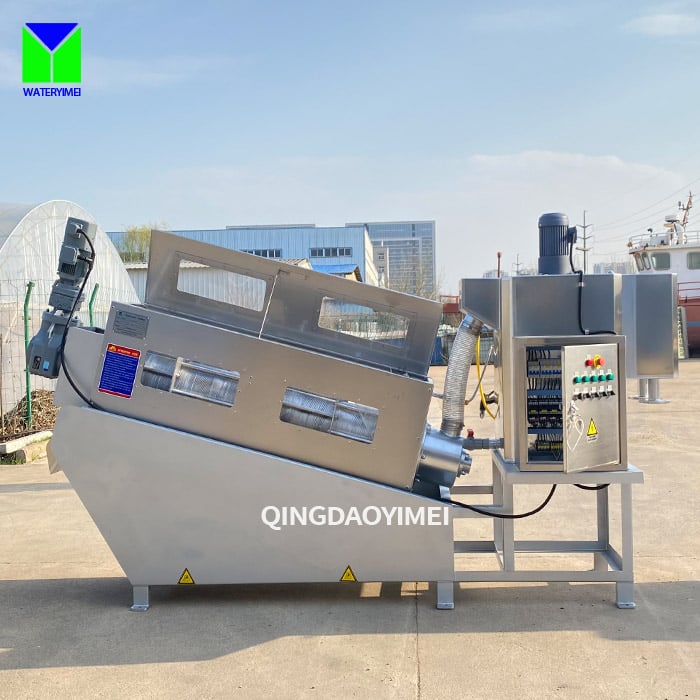
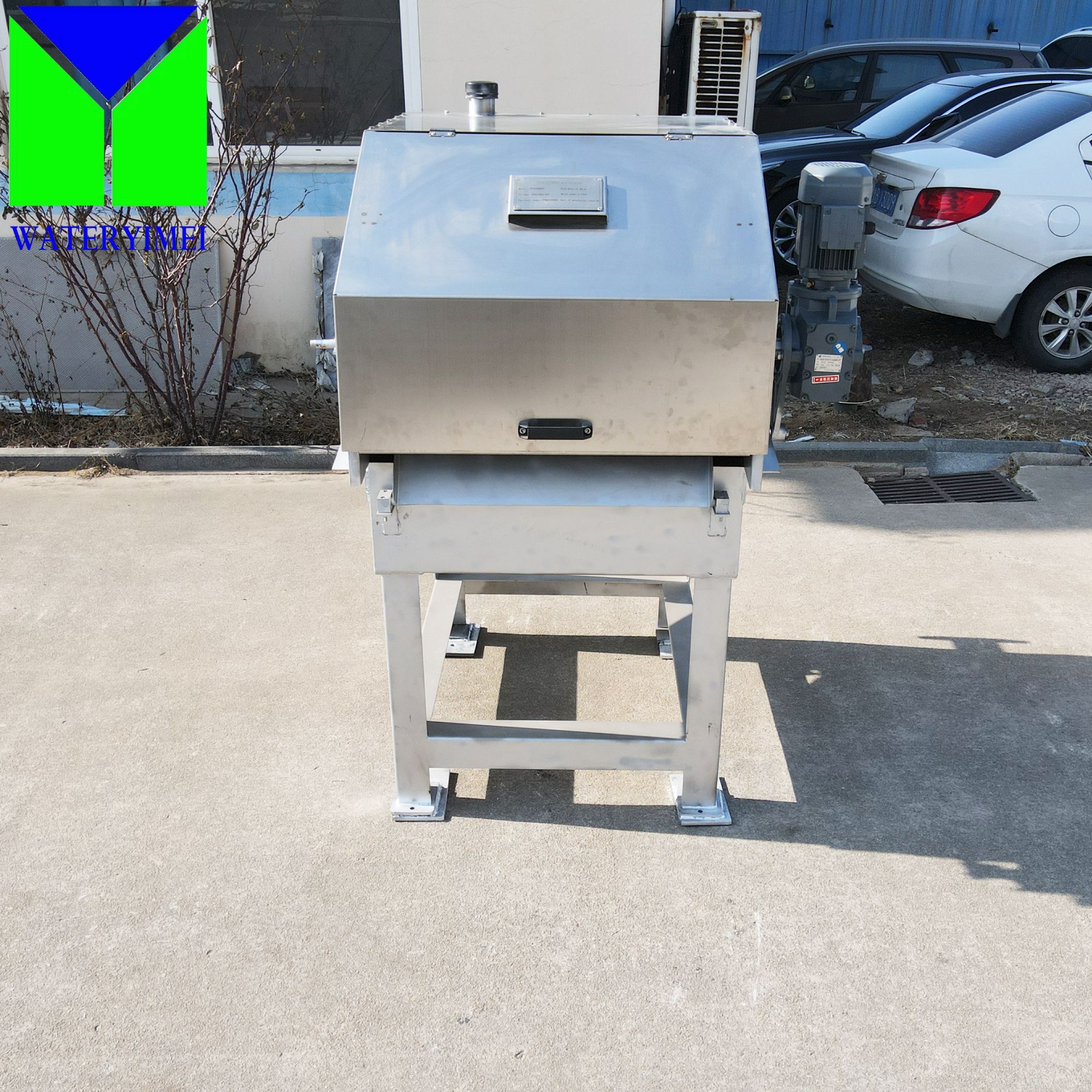
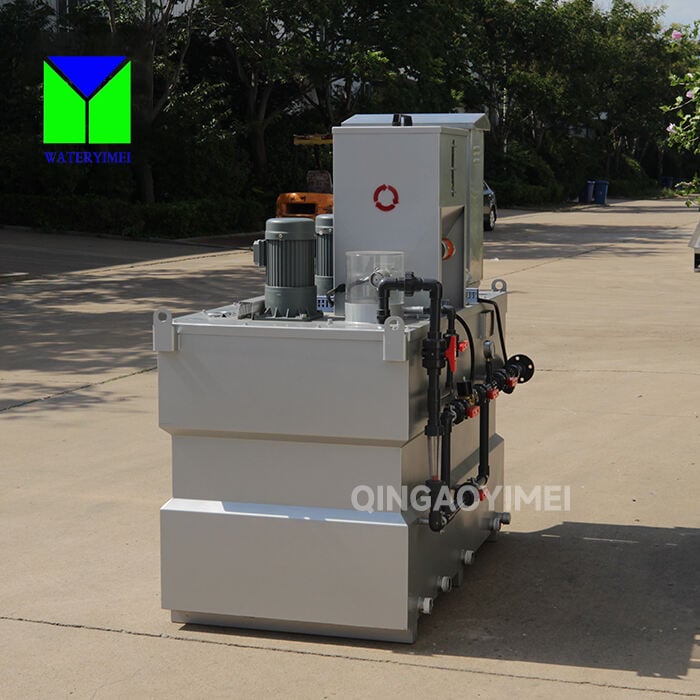
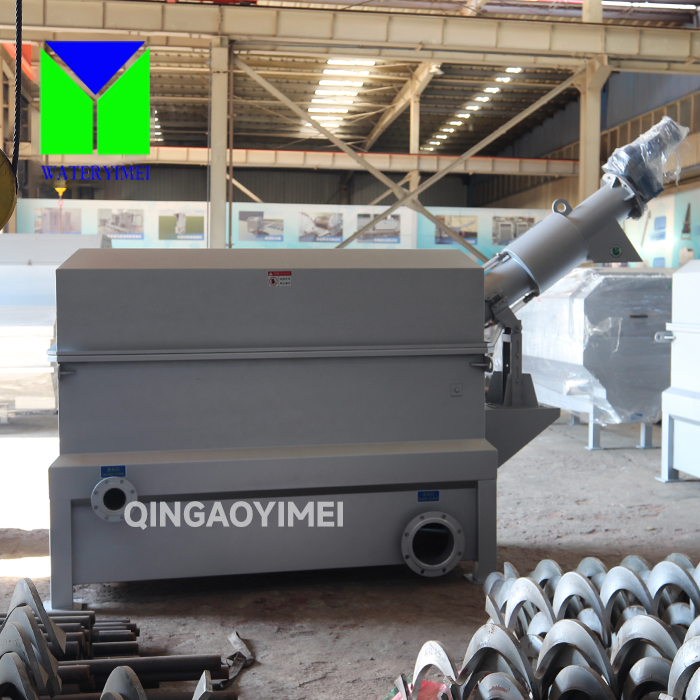
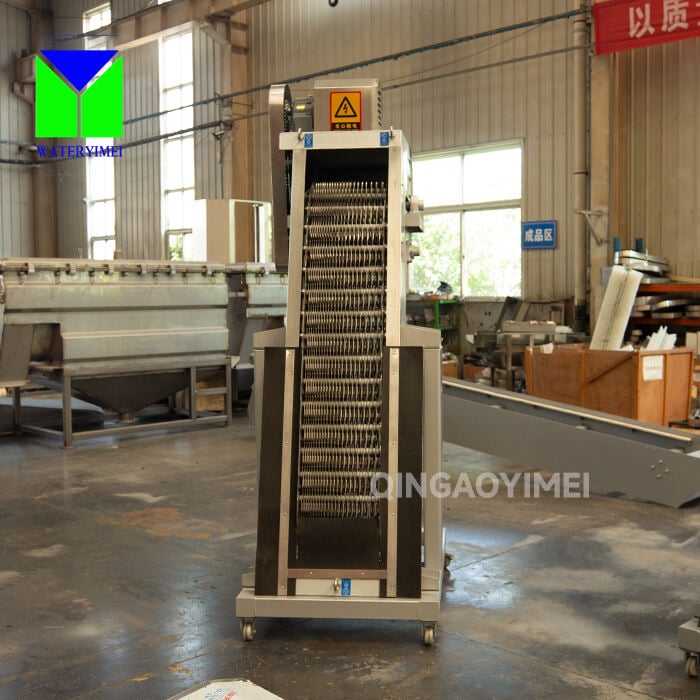
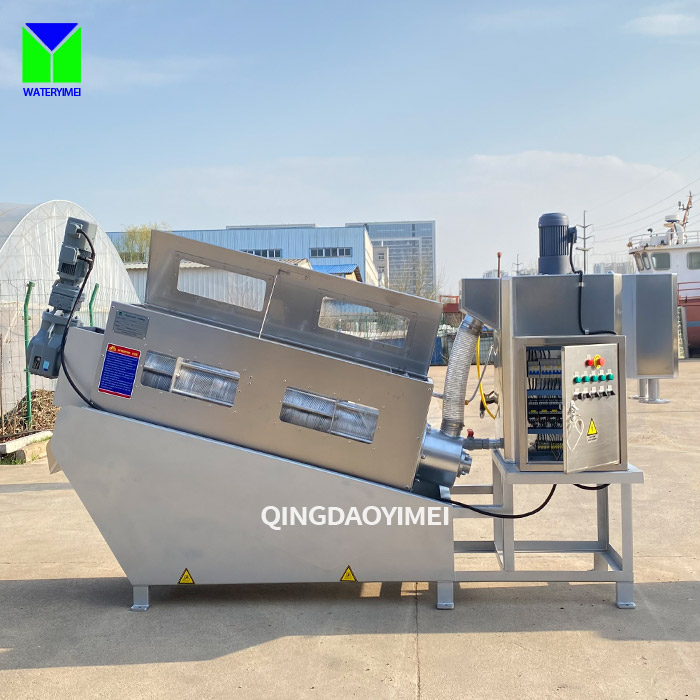
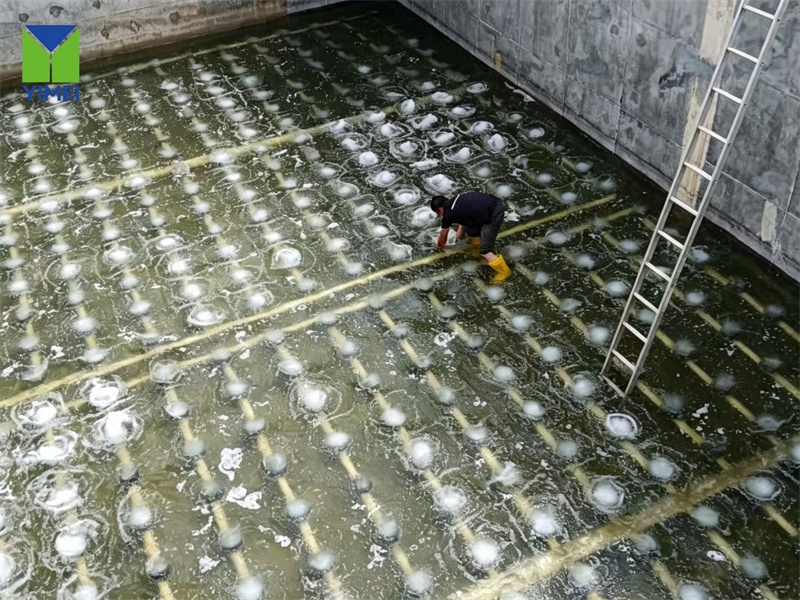
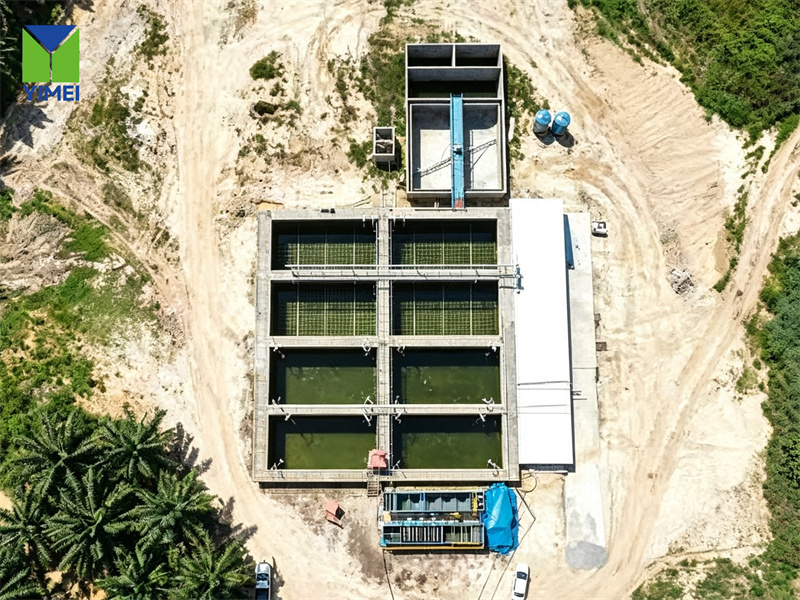
For palm oil mill effluent treatment in Malaysia, Yimei uses an integrated treatment process consisting of solid removal, an equalization tank, oil separation and sedimentation, anaerobic biological treatment, aerobic biological treatment, secondary clarification, tertiary treatment, disinfection, and either compliant discharge or water reuse, depending on the customer’s requirements. In the pretreatment stage, screens remove fibers, shells, and other large solids, while oil separation and sedimentation reduce the loading of fats, oils, grease, and suspended solids. Anaerobic treatment is then used to break down high-strength organic pollutants, with biogas recovery available where required. Aerobic biological treatment further removes residual organic matter and ammonia nitrogen. After clarification, filtration, or other tertiary treatment, the effluent is disinfected in accordance with local discharge requirements and may be reused for non-potable applications such as site washdown and cooling make-up water.
Raw Water Quality Reference:
| Indicators of fresh sewage | Value |
| pH | 4.3 |
| Temperature | 70 ℃ |
| Solid content | 5000 ppm |
| Floating solids | 30000 ppm |
| Dissolved solids | 20000 ppm |
| Palm oil | ≤ 1% |
| BOD | 25000 ppm |
| COD | 50000 ppm |
| Phosphate | 120 ppm |
| Potassium salt | 1500 ppm |
| Magnesium | 270 ppm |
| Calcium | 325 ppm |
| Iron | 110 ppm |
Work with Yimei: Treated water complies with discharge requirements
| Parameters | Value |
| pH value | 6 9 |
| Temperature | 30 ℃ |
| Total suspended solids content | 300 ppm |
| Palm oil | 30 ppm |
| BOD | 250 ppm |
| COD | 500 ppm |
| Nitrogen content (NH₃ N) | 20 ppm |
Copyright © Qingdao Yimei Environment Project Co., Ltd. All Rights Reserved Privacy policy