 EN
EN
 AR
AR
 BG
BG
 CS
CS
 DA
DA
 NL
NL
 FI
FI
 FR
FR
 EL
EL
 HI
HI
 IT
IT
 JA
JA
 KO
KO
 NO
NO
 PL
PL
 PT
PT
 RO
RO
 RU
RU
 ES
ES
 TL
TL
 ID
ID
 UK
UK
 ET
ET
 TR
TR
 AF
AF
 GA
GA
 MK
MK
 BN
BN
 NE
NE
 KK
KK
 SU
SU
 UZ
UZ


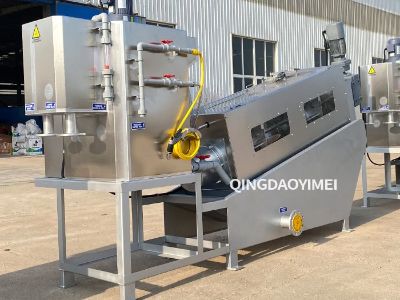
Understanding the design of screw dehydrators is critical for optimizing continuous sludge processing in wastewater treatment. The right design can enhance efficiency, reduce operational costs, and improve the overall performance of your sludge management system. This article will address the key specifications to consider when selecting screw dehydrators, evaluate quality indicators for bulk orders, tackle common sludge processing challenges, provide installation guidelines, and explore the material advantages that contribute to optimal dehydrator performance.
Key Specifications to Consider for Screw Dehydrators in Your Projects
When selecting a screw dehydrator for continuous sludge processing, several key specifications are essential. These include the diameter and length of the screw, the design of the screen, and the capacity of the unit.
Screw Diameter and Length: The diameter and length of the screw affect the residence time of the sludge, which is critical for achieving optimal moisture reduction. A larger diameter typically allows for higher throughput, while the length can influence the efficiency of solids separation.
Screen Design: The design of the screen should facilitate efficient liquid drainage while preventing excessive solids from passing through. A well-designed screen can significantly enhance the dehydration process and improve overall performance. Buyers should ensure that the screen openings are appropriately sized for the specific sludge type being processed.
Capacity: The capacity of the screw screw press dehydrator should match the volume of sludge generated by your operations. Overestimating or underestimating capacity can lead to operational inefficiencies and increased costs. Ensure that the manufacturer provides clear specifications regarding the maximum and minimum capacities.
Power Consumption: Energy efficiency is a key consideration. Look for units designed to minimize energy usage while maximizing output. This can lead to substantial long-term savings in operational costs.
Automation Features: Some modern screw dehydrators come with automated control systems that enhance ease of operation and monitoring. These features can help in optimizing performance and streamlining maintenance routines.
How to Evaluate the Quality of Screw Dehydrators for Bulk Orders?
When considering bulk orders of screw dehydrators, it is crucial to assess several quality indicators to ensure you receive reliable equipment. Here are some practical steps to guide your evaluation:
Manufacturer Reputation: Research the manufacturer’s history and reputation in the industry. Established companies like Qingdao Yimei Environment Project Co., Ltd., with over three decades of experience, often have proven track records of delivering quality products.
Material Quality: Investigate the materials used in the construction of the dehydrators. High-quality stainless steel or specialized alloys can provide better corrosion resistance and durability, especially in harsh wastewater environments.
Certifications and Compliance: Ensure that the products meet relevant industry standards and certifications. This can include ISO certifications or compliance with environmental regulations, which are essential for ensuring product reliability and safety.
Sample Testing: Before finalizing bulk orders, request samples to conduct performance testing under actual operating conditions. This helps verify that the equipment meets your specific requirements and performs as expected.
After-Sales Support: Assess the manufacturer's after-sales service and support capabilities. Reliable support, including easy access to spare parts and technical assistance, is vital for minimizing downtime.
Challenges in Sludge Processing and How Screw Dehydrators Solve Them
Screw dehydrators are designed to address several challenges faced in sludge processing:
High Water Content: One of the primary challenges in sludge management is its high water content, which can lead to increased disposal costs. Screw dehydrators effectively reduce moisture levels, allowing for more manageable sludge volumes.
Odor Control: Odorous compounds in sludge can pose significant operational challenges. Properly designed screw dehydrators can mitigate odor by facilitating better aeration during the dehydration process.
Energy Consumption: Traditional sludge processing methods can consume excessive energy. Efficient screw dehydrators reduce energy requirements through optimized design and operation, leading to lower operational costs.
Operational Simplicity: Many sludge processing solutions are complex and require extensive monitoring. Screw dehydrators are often easier to operate, featuring automated controls that streamline the process, making them suitable for continuous operation.
Installation Guidelines for Efficient Use of Screw Dehydrators
Proper installation of screw dehydrators is critical for achieving efficient operation. Here are some guidelines to ensure effective installation:
Site Preparation: Ensure that the installation site is prepared according to the manufacturer's specifications. This includes adequate space for maintenance access and proper alignment with existing piping systems.
Leveling and Stability: The dehydrator must be installed on a level foundation to prevent operational issues. Ensure that the base is stable and capable of supporting the weight of the equipment.
Connection to Utilities: Verify that all necessary utilities, including power and water supply, are readily available and connected according to the manufacturer's instructions. Proper electrical and hydraulic connections are vital for the unit's performance.
Testing Before Operation: After installation, conduct a thorough testing phase to ensure that the unit is functioning correctly before full-scale operation begins. This helps identify any potential issues that could affect performance.
Training for Personnel: Provide adequate training for operators on how to use and maintain the screw dehydrator. Understanding the operational controls and maintenance requirements will help maximize efficiency and lifespan.
Material Advantages in Screw Dehydrator Design for Optimal Performance
The choice of materials in screw dehydrator design plays a significant role in their performance and longevity. Here are some material considerations:
Corrosion Resistance: High-quality stainless steel or specialized coatings can provide excellent corrosion resistance, which is crucial when dealing with aggressive wastewater. This not only extends the life of the equipment but also reduces maintenance needs.
Strength and Durability: The materials used should withstand the mechanical stresses imposed during operation. Selecting high-strength materials helps prevent failures and ensures reliable performance over time.
Thermal Stability: Depending on the sludge composition, thermal stability can be a factor. Materials that can withstand variations in temperature without degrading will enhance the unit's operational reliability.
Ease of Cleaning: The design and materials should facilitate easy cleaning to prevent sludge buildup and maintain hygiene standards. Smooth surfaces and accessible designs can significantly enhance maintenance efficiency.
Customization Options: Many manufacturers offer customization in material selection based on specific application needs. Discussing these options with suppliers can yield tailored solutions that enhance performance and durability.
By understanding the importance of mixing screw conveyor design in continuous sludge processing, buyers can make informed decisions that enhance efficiency and reduce costs in their wastewater treatment operations.
Table of Contents
- Key Specifications to Consider for Screw Dehydrators in Your Projects
- How to Evaluate the Quality of Screw Dehydrators for Bulk Orders?
- Challenges in Sludge Processing and How Screw Dehydrators Solve Them
- Installation Guidelines for Efficient Use of Screw Dehydrators
- Material Advantages in Screw Dehydrator Design for Optimal Performance