 EN
EN
 AR
AR
 BG
BG
 CS
CS
 DA
DA
 NL
NL
 FI
FI
 FR
FR
 EL
EL
 HI
HI
 IT
IT
 JA
JA
 KO
KO
 NO
NO
 PL
PL
 PT
PT
 RO
RO
 RU
RU
 ES
ES
 TL
TL
 ID
ID
 UK
UK
 ET
ET
 TR
TR
 AF
AF
 GA
GA
 MK
MK
 BN
BN
 NE
NE
 KK
KK
 SU
SU
 UZ
UZ


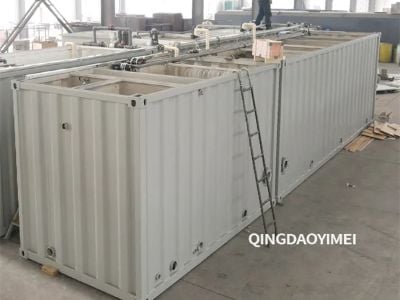
Understanding how sludge treatment plant systems handle different sludge characteristics is essential for purchasing managers and engineers involved in wastewater treatment. Sludge can vary significantly in composition, moisture content, and physical properties, all of which influence treatment processes. This article aims to provide insights into how different sludge characteristics are managed by these sludge treatment system, common challenges faced in the industry, and tips for sourcing quality equipment.
How Sludge Treatment Systems Address Varying Sludge Characteristics
Sludge characteristics can vary widely based on the source of the wastewater, treatment processes, and environmental factors. Key characteristics include:
Moisture Content: High moisture content can complicate sludge handling and treatment. Systems designed to manage high-moisture sludge often incorporate advanced dewatering techniques to reduce volume and facilitate easier disposal.
Solids Concentration: The concentration of solids affects the treatment efficiency. Systems must be capable of processing both low and high solids concentrations, which may require adjustments in operational parameters or equipment specifications.
Chemical Composition: Different sludge types, such as municipal, industrial, or agricultural, have varying chemical compositions. sludge dewatering system need to be tailored to address specific chemical characteristics, such as the presence of heavy metals or organic pollutants.
Selecting the right sludge treatment system involves understanding these characteristics and ensuring the system can adapt to fluctuations in sludge quality.
Sourcing Quality Sludge Treatment Equipment
When sourcing sludge treatment equipment, several factors should be considered to ensure optimal performance and longevity.
Manufacturer Reputation: Look for manufacturers with a proven track record in the industry. Qingdao Yimei Environment Project Co., Ltd., for example, has over three decades of experience and specializes in wastewater treatment equipment.
Customization Options: Different applications may require tailored solutions. Ensure that the manufacturer offers customization capabilities to meet specific operational needs.
Technical Support and After-Sales Services: Reliable after-sales support is crucial for maintenance and troubleshooting. A company with local branches can provide quicker service and access to spare parts.
Quality Certifications: Verify that the equipment meets relevant industry standards and certifications, which can indicate reliability and compliance with safety regulations.
Understanding Specifications for Effective Sludge Treatment Systems
Key specifications play a vital role in the effectiveness of sludge treatment systems. Here are some critical specifications to consider:
Capacity: This defines the maximum amount of sludge the system can handle and should align with the anticipated sludge volume generated at your facility.
Material Construction: The choice of materials impacts durability, especially in corrosive environments. Stainless steel or specially coated materials may be necessary for systems dealing with aggressive sludge types.
Operational Parameters: Specifications such as temperature ranges, pressure limits, and flow rates should be confirmed based on the operational environment and sludge characteristics. For example, systems operating at high temperatures may require additional insulation and advanced materials to prevent degradation.
Confirming these specifications with the manufacturer can help prevent future operational issues and ensure the system meets performance expectations.
Common Sludge Treatment Challenges and Their Practical Solutions
Managing sludge treatment comes with unique challenges that require practical solutions:
Fluctuations in Sludge Characteristics: Unexpected changes in sludge quality can disrupt treatment processes. Implementing a flexible sludge dewatering unit system that can adjust operational parameters in real-time can mitigate this issue.
High Moisture Content: Sludge with high moisture content can lead to increased operational costs. Utilizing advanced dewatering technologies, such as screw presses or belt filter presses, can effectively reduce moisture levels before disposal.
Odor Control: Odor management is a key concern in sludge treatment. Systems should incorporate odor control measures, such as biofilters or chemical scrubbers, to minimize complaints from nearby communities.
Regulatory Compliance: Ensuring compliance with environmental regulations is crucial. Regular monitoring and reporting systems can help maintain compliance and avoid penalties.
By addressing these challenges with appropriate strategies and technologies, facilities can improve the efficiency and effectiveness of their sludge treatment operations.
Evaluating Material Advantages in Sludge Treatment Technologies
The selection of materials used in sludge treatment systems significantly impacts their performance and longevity. Consider the following:
Corrosion Resistance: Materials such as stainless steel or composite materials are often preferred for their resistance to corrosion, especially in systems handling aggressive sludge.
Durability and Maintenance: Choosing durable materials can reduce maintenance needs and extend the life of the equipment. For instance, wear-resistant liners in tanks can help withstand abrasive sludge types, reducing downtime for repairs.
Thermal Stability: For systems that experience high temperatures, selecting materials with good thermal stability ensures that the equipment maintains its integrity over time.
When evaluating materials, it is essential to match them with the specific requirements of the sludge treatment process. This consideration not only enhances performance but also ensures long-term reliability and cost-effectiveness.
By understanding how sludge treatment plant systems manage various sludge characteristics, buyers can make informed decisions that enhance their wastewater treatment processes. Whether it's selecting equipment that meets specific operational needs or understanding the challenges and materials involved, having a solid foundation in these areas will greatly benefit purchasing managers and engineers in the field.
Table of Contents
- How Sludge Treatment Systems Address Varying Sludge Characteristics
- Sourcing Quality Sludge Treatment Equipment
- Understanding Specifications for Effective Sludge Treatment Systems
- Common Sludge Treatment Challenges and Their Practical Solutions
- Evaluating Material Advantages in Sludge Treatment Technologies