 EN
EN
 AR
AR
 BG
BG
 CS
CS
 DA
DA
 NL
NL
 FI
FI
 FR
FR
 EL
EL
 HI
HI
 IT
IT
 JA
JA
 KO
KO
 NO
NO
 PL
PL
 PT
PT
 RO
RO
 RU
RU
 ES
ES
 TL
TL
 ID
ID
 UK
UK
 ET
ET
 TR
TR
 AF
AF
 GA
GA
 MK
MK
 BN
BN
 NE
NE
 KK
KK
 SU
SU
 UZ
UZ


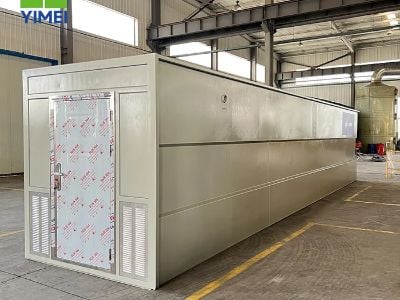
Understanding how surface loading influences wastewater clarifiers design is crucial for optimizing wastewater treatment processes. Surface loading, or the amount of flow per unit surface area of the clarifier, directly affects the efficiency and effectiveness of these systems. For B2B buyers, such as purchasing managers, engineers, and project managers, comprehending this relationship is vital for selecting the appropriate clarifier that meets their specific needs. This article will help clarify the impact of surface loading on clarifier design, guiding you in making informed purchasing decisions.
How Surface Loading Affects Wastewater Clarifier Efficiency?
Surface loading plays a significant role in the overall efficiency of wastewater clarifiers. It is defined as the volume of water treated per unit area of the clarifier surface, typically expressed in liters per square meter per hour (L/m²/h). When surface loading is optimized, the clarifier can effectively separate solids from liquids, leading to higher quality effluent. High surface loading can lead to several efficiency issues, such as reduced settling times and increased risk of solids overflow. This can result in poor effluent quality, prompting re-treatment or additional processing steps, which can be costly. Conversely, low surface loading may lead to underutilization of the waste wastewater treatment, resulting in larger systems than necessary and increased operational costs. Selecting the right surface loading rate involves balancing treatment objectives with the design specifications of the clarifier. Factors such as influent characteristics, retention time, and operational conditions must be considered to ensure optimal performance. A well-designed clarifier will accommodate the expected surface loading while maintaining high treatment efficiency.
Choosing the Right Wastewater Clarifier Based on Surface Loading
Selecting the appropriate wastewater clarifier based on surface loading requires a thorough understanding of the specific project requirements and influent characteristics. For instance, a clarifier designed for high surface loading must have robust structural elements and efficient hydraulic flow designs to handle increased flow rates without compromising performance.
When evaluating clarifier options, buyers should consider the following:
Type of Clarifier: Different types, such as circular, rectangular, or inclined plate clarifiers, may be better suited for varying surface loading conditions.
Flow Rate: Determine the maximum and average flow rates expected in the application. This will help in selecting a clarifier with the appropriate surface area to handle these rates effectively.
Settling Characteristics: The nature of the solids in the wastewater, including size, density, and concentration, will affect settling behavior. Understanding these factors can help in selecting a wastewater plants that optimally accommodates the specific solids.
Retention Time: The design must ensure adequate retention time for solids to settle properly, which can be influenced by surface loading rates.
Customization Needs: Depending on the unique requirements of your project, customization might be necessary to optimize performance.
By carefully evaluating these factors, buyers can select a clarifier that meets their specific needs, ensuring efficient wastewater treatment and compliance with environmental regulations.
Cost Factors Influencing Wastewater Clarifiers and Surface Loading
The cost of wastewater clarifiers is influenced by several factors related to surface loading and overall design. Understanding these elements will help buyers anticipate expenses and make informed budgeting decisions.
Material Selection: The materials used in constructing the clarifier significantly impact costs. For instance, stainless steel or fiberglass may offer better corrosion resistance but come at a higher price than conventional materials like carbon steel.
Design Complexity: More complex designs that cater to higher surface loading often require advanced engineering and fabrication processes, leading to higher upfront costs.
Size and Capacity: Larger clarifiers designed to accommodate higher flow rates will naturally incur greater material and construction costs. Additionally, operational costs may increase due to higher energy requirements for pumping and maintenance.
Installation: The complexity of installation can affect overall project costs. treatment of industrial wastewater that require extensive groundwork or specific site preparation may lead to increased labor and material expenses.
Maintenance and Operational Costs: Consideration of long-term operational expenses, such as energy consumption, spare parts, and maintenance schedules, is essential. Systems designed with higher surface loading may require more frequent maintenance to ensure efficiency.
By analyzing these cost factors, buyers can better understand their investment and the return on efficiency and effectiveness in wastewater treatment processes.
Where to Source High-Quality Wastewater Clarifiers for Projects?
Sourcing high-quality wastewater clarifiers involves identifying reputable manufacturers and suppliers with proven experience in the field. Here are some guidelines for making informed sourcing decisions:
Manufacturer Reputation: Look for companies with a solid history in wastewater treatment equipment, such as Qingdao Yimei Environment Project Co., Ltd., which has been in the industry since 1988. Assess their track record for delivering reliable and effective solutions.
Product Range: Ensure the manufacturer offers a diverse range of clarifiers that can cater to varying surface loading conditions and project requirements. A wider selection allows for customization based on specific operational needs.
Technical Support and Service: Evaluate the level of technical support and after-sales service the supplier provides. Reliable support can be invaluable during installation, operation, and maintenance phases.
Certifications: Check for relevant industry certifications that demonstrate compliance with quality and safety standards. This can be an indicator of the manufacturer's commitment to quality and reliability.
Client References: Request references or case studies from previous customers to gauge satisfaction levels and performance outcomes of the clarifiers in similar applications.
By following these guidelines, buyers can identify trustworthy sources for high-quality wastewater clarifiers, ensuring successful project outcomes.
Technical Specifications for Optimizing Surface Loading in Clarifiers
Optimizing surface loading in clarifiers requires a comprehensive understanding of key technical specifications. Buyers should focus on the following aspects when evaluating clarifier designs:
Surface Area: The surface area of the clarifier directly influences its capacity to handle surface loading. Ensure the clarifier’s surface area is sufficient for the expected flow rates and influent characteristics.
Depth and Retention Time: Deeper clarifiers can enhance settling efficiency by providing longer retention times. Evaluate the depth in relation to the expected surface loading to ensure optimal performance.
Hydraulic Flow Design: The design of the hydraulic flow within the clarifier is critical to maintaining uniform flow distribution and preventing short-circuiting. Proper hydraulic design minimizes dead zones that can impair settling.
Sludge Removal System: The effectiveness of the sludge removal system must be compatible with surface loading rates. Consideration should be given to the design and efficiency of the sludge scraper or pump system.
Material Compatibility: Ensure the materials used in the clarifier can withstand the specific chemical and physical conditions of the wastewater being treated. This will prevent premature deterioration and maintain operational efficiency.
By understanding these technical specifications, buyers can optimize their selection of wastewater clarifiers, ensuring that they meet the demands of their specific wastewater treatment applications.
Table of Contents
- How Surface Loading Affects Wastewater Clarifier Efficiency?
- Choosing the Right Wastewater Clarifier Based on Surface Loading
- Cost Factors Influencing Wastewater Clarifiers and Surface Loading
- Where to Source High-Quality Wastewater Clarifiers for Projects?
- Technical Specifications for Optimizing Surface Loading in Clarifiers