 EN
EN
 AR
AR
 BG
BG
 CS
CS
 DA
DA
 NL
NL
 FI
FI
 FR
FR
 EL
EL
 HI
HI
 IT
IT
 JA
JA
 KO
KO
 NO
NO
 PL
PL
 PT
PT
 RO
RO
 RU
RU
 ES
ES
 TL
TL
 ID
ID
 UK
UK
 ET
ET
 TR
TR
 AF
AF
 GA
GA
 MK
MK
 BN
BN
 NE
NE
 KK
KK
 SU
SU
 UZ
UZ


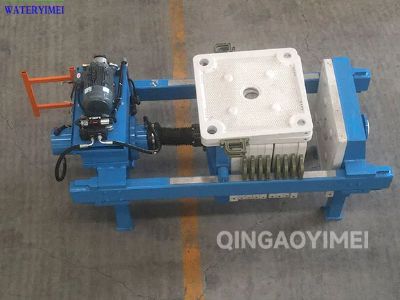
Understanding why sludge press machine design varies across wastewater applications is crucial for professionals in the manufacturing and environmental sectors. Sludge press machines are essential in wastewater treatment, helping to dewater sludge and reduce its volume for easier handling and disposal. However, the design of these machines is not uniform; it varies significantly depending on specific application needs, material properties, operational requirements, and environmental conditions. This article will explore the factors influencing sludge press machine design, provide guidance on selecting the right machine, discuss cost considerations, offer installation advice, and highlight the material advantages of different designs across various applications.
What Factors Influence Sludge Press Machine Design for Wastewater Use?
Several key factors play a role in determining the design of a sludge press machine for different wastewater applications. The type of sludge generated, including its composition and viscosity, significantly influences the machine's specifications. For instance, municipal wastewater typically contains a higher organic matter content compared to industrial wastewater, which may include various chemicals and heavy metals. Machines designed for municipal applications often require specific configurations to handle the organic load effectively. Additionally, the required throughput and the desired dryness of the final product are crucial considerations. Machines must be tailored to achieve specific dewatering rates and dryness levels, which can vary based on the type of sludge and its intended disposal method. For example, a higher dryness level might be necessary for sludge sewage treatment intended for incineration, while lower dryness may suffice for land application. Another vital factor is the operational environment and available space. Compact designs may be necessary for facilities with space constraints, while larger operations might benefit from machines that can handle higher capacities and more robust configurations. Finally, maintenance needs and ease of access to components for repairs also influence design choices, ensuring reliability and longevity in operation.
How to Choose the Right Sludge Press Machine for Your Application?
Selecting the appropriate sludge press machine requires a comprehensive understanding of your specific application requirements. Begin by assessing the type of sludge you will be processing. Consider factors such as the sludge's physical and chemical properties, including its solid content, particle size, and moisture levels. These attributes will heavily influence the machine's performance and efficiency. Next, evaluate the required capacity and throughput of the machine. This involves determining the volume of sludge dewatering equipment generated in your operation and the desired processing speed. Consult with manufacturers to discuss your needs and explore various machine models that can meet your specifications. Customization capabilities are another critical aspect to consider. Many manufacturers, like Qingdao Yimei Environment Project Co., Ltd., offer tailored solutions to meet unique application requirements. Engage in discussions about potential modifications, such as changes to the belt material, size variations, or specific control systems that can enhance operational performance. Lastly, do not overlook the importance of after-sales support and spare parts availability, especially if you operate in remote locations. A reliable supplier should provide comprehensive service and support, ensuring minimal downtime in your operations.
Understanding the Cost Factors of Sludge Press Machines for Buyers
The cost of sludge press machines can vary widely based on several factors. One of the primary determinants is the machine's design complexity and the materials used in construction. Higher-quality materials and advanced designs typically come at a premium but offer improved reliability and efficiency. For example, machines designed for corrosive industrial environments may require specialized materials, such as stainless steel, which can increase costs.
Another significant factor is the machine's capacity and throughput capabilities. Larger machines that can process greater volumes of sludge will generally incur higher upfront costs. However, it's essential to consider the long-term operational costs, including energy consumption, maintenance, and the efficiency of sludge dewatering, which can significantly impact overall expenses. Customization requests can also affect pricing. If your application requires specific modifications, these will likely lead to additional costs. Therefore, when evaluating quotes from suppliers, ensure you fully understand what is included in the price and whether any customization will incur extra charges. Lastly, be mindful of the total cost of ownership, which encompasses not only the initial purchase price but also installation, training, and ongoing maintenance costs.
Installation Guidance for Efficient Sludge Press Machine Use
Proper installation is vital for maximizing the performance of sludge press machines. Begin with a thorough assessment of the installation site, ensuring there is adequate space for the machine and the necessary access for maintenance. The machine should be positioned to facilitate the flow of sludge into the system and the removal of dewatered cake effectively. Ensure that all connections, including power and water supplies, are correctly established according to the manufacturer's specifications. For instance, electrical systems should comply with local regulations and be equipped with appropriate safety features. Additionally, consider the integration of the sludge thickening tank press with existing systems, such as pumps and conveyors, to streamline operations. It's also essential to conduct a comprehensive training program for operators during installation. Operators should be well-versed in the machine's function, maintenance requirements, and safety protocols. Regular training sessions can be beneficial as new personnel are introduced or as equipment updates occur. Lastly, post-installation, monitor the machine's performance closely during its initial operation phase. This allows for the identification of any operational issues early on, ensuring adjustments can be made promptly.
Material Advantages of Sludge Press Machines in Different Applications
The choice of materials for sludge press machines plays a significant role in their performance and longevity, especially given the diverse environments in which they operate. For instance, machines handling corrosive industrial sludge may require components made from stainless steel or specialized coatings to prevent degradation over time. This is crucial in ensuring the machine maintains its efficiency and minimizes downtime due to repairs or replacements.
In contrast, machines designed for municipal applications may utilize different materials that are more cost-effective yet still reliable. These units often prioritize ease of maintenance and operational efficiency over resistance to harsh chemicals, as the sludge characteristics differ. Another consideration is the surface treatment of materials, which can enhance performance. For example, certain surface treatments can reduce friction during the dewatering process, leading to improved efficiency and lower energy consumption. Furthermore, manufacturers like Qingdao Yimei Environment Project Co., Ltd. can offer insights into material selection based on their extensive experience in the field. They can recommend specific materials suited for particular applications, ensuring that buyers are equipped with the most effective solutions for their needs. By understanding the implications of material choices, buyers can make informed decisions that align with their operational requirements and budget constraints.
Table of Contents
- What Factors Influence Sludge Press Machine Design for Wastewater Use?
- How to Choose the Right Sludge Press Machine for Your Application?
- Understanding the Cost Factors of Sludge Press Machines for Buyers
- Installation Guidance for Efficient Sludge Press Machine Use
- Material Advantages of Sludge Press Machines in Different Applications