 EN
EN
 AR
AR
 BG
BG
 CS
CS
 DA
DA
 NL
NL
 FI
FI
 FR
FR
 EL
EL
 HI
HI
 IT
IT
 JA
JA
 KO
KO
 NO
NO
 PL
PL
 PT
PT
 RO
RO
 RU
RU
 ES
ES
 TL
TL
 ID
ID
 UK
UK
 ET
ET
 TR
TR
 AF
AF
 GA
GA
 MK
MK
 BN
BN
 NE
NE
 KK
KK
 SU
SU
 UZ
UZ


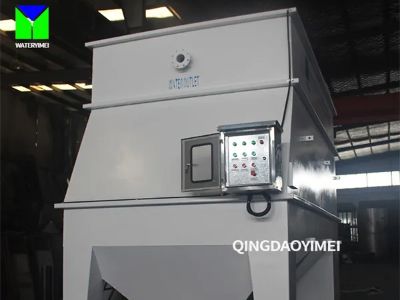
Proper sludge management is crucial in wastewater treatment plants, and understanding the process is essential for efficiency and cost-effectiveness. The key to effective sludge treatment lies in the sequence of operations, specifically why sludge thickening comes before dewatering. We will explore the significance of sludge thickening tank, common buyer concerns, and factors that influence the procurement of sludge thickening equipment.
How to Assess the Quality of Sludge Thickening Equipment?
When evaluating sludge thickening equipment, several quality indicators should be considered. First, assess the design and construction of the equipment. High-quality sludge treatment equipment should be made from durable materials that can withstand the corrosive environment typical of wastewater treatment processes. Stainless steel is often preferred for its resistance to rust and wear, extending the equipment's lifespan.
Next, examine the equipment specifications, such as capacity, energy consumption, and operational efficiency. Look for technology that enhances solid separation and minimizes water content effectively. Performance metrics, such as the percentage of solids retained and the volume of sludge processed, are critical in determining equipment effectiveness.
Additionally, consider the manufacturer's quality control processes. A reputable manufacturer, like Qingdao Yimei Environment Project Co., Ltd., will implement rigorous testing protocols to ensure that each unit meets industry standards. Certifications or compliance with international standards can further assure buyers of the equipment's reliability and performance.
Where to Find Trusted Suppliers for Sludge Thickening Machinery?
Finding reliable suppliers for sludge thickening machinery requires thorough research. Start by seeking recommendations from industry peers or professional networks. Online reviews and case studies can provide insights into the supplier's reputation and service quality. It’s also beneficial to attend industry trade shows and exhibitions, where manufacturers often showcase their latest technologies and innovations.
Once you have a shortlist of suppliers, evaluate their experience in the field. Companies like Qingdao Yimei Environment Project Co., Ltd. have decades of experience and a wide range of products tailored to diverse wastewater treatment scenarios. Additionally, verify their after-sales support and spare parts availability, which are crucial for minimizing downtime and ensuring the longevity of your investment.
Requesting quotations from multiple suppliers can also provide insight into market pricing and help identify competitive offers. Ensure that you compare not just the prices but also the specifications and support services offered.
Cost Factors to Consider When Investing in Sludge Thickening
Investing in sludge thickening equipment involves considering various cost factors beyond the initial purchase price. First, assess the total cost of ownership, which includes installation, maintenance, and operational expenses. The sludge dewatering unit that requires frequent repairs or high energy consumption can lead to increased long-term costs.
Customization options may also impact pricing. If your application requires specific modifications to the equipment, ensure that you factor in any additional costs associated with these customizations. Additionally, consider the equipment's efficiency; more efficient machines may have a higher upfront cost but can result in significant savings in operational expenses over time.
Lead time is another vital factor. Suppliers with shorter lead times can help you implement sludge management solutions more quickly, potentially avoiding delays in treatment processes. Always check the supplier’s production capacity and delivery schedules to ensure they align with your project timelines.
Applications of Sludge Thickening in Wastewater Treatment Plants
Sludge thickening plays a critical role in various applications within wastewater treatment plants. The primary purpose is to reduce the volume of sludge before further treatment processes, such as dewatering. By concentrating solids and separating water, thickening enhances the efficiency of subsequent dewatering operations.
In municipal wastewater treatment, thickening is particularly important to manage the large volumes of sludge generated. It enables facilities to optimize their treatment capacity and reduce the energy and resources needed for further processing. In industrial applications, where specific types of waste may present unique challenges, thickening can also help tailor the treatment process to meet regulatory compliance and environmental standards.
Thickening can be achieved through various methods, including gravity thickening, flotation, and mechanical thickening. Understanding the specific application requirements and characteristics of the sludge is essential for selecting the most suitable thickening method.
What You Need to Know?
When preparing to invest in sludge thickening equipment, it's critical to gather all necessary information to ensure a successful purchase. Start by identifying your specific sludge characteristics, including volume, composition, and desired solid content. This data will guide your equipment selection process.
Next, prepare to discuss your application requirements with potential suppliers. This includes details about operational capacity, expected performance metrics, and any customization needs. Having technical drawings or specifications on hand can facilitate more accurate quotations and recommendations.
Lastly, consider the importance of after-sales support. Reliable suppliers should offer comprehensive support, including installation guidance, maintenance services, and training for your staff. Establishing a strong partnership with your equipment supplier can significantly enhance the performance and longevity of your sludge thickening solution.
By understanding the importance of sludge thickening prior to dewatering, evaluating suppliers carefully, and considering all cost factors, businesses can make informed decisions that lead to efficient wastewater treatment operations.