EN
EN
 AR
AR
 BG
BG
 CS
CS
 DA
DA
 NL
NL
 FI
FI
 FR
FR
 EL
EL
 HI
HI
 IT
IT
 JA
JA
 KO
KO
 NO
NO
 PL
PL
 PT
PT
 RO
RO
 RU
RU
 ES
ES
 TL
TL
 ID
ID
 UK
UK
 ET
ET
 TR
TR
 AF
AF
 GA
GA
 MK
MK
 BN
BN
 NE
NE
 KK
KK
 SU
SU
 UZ
UZ

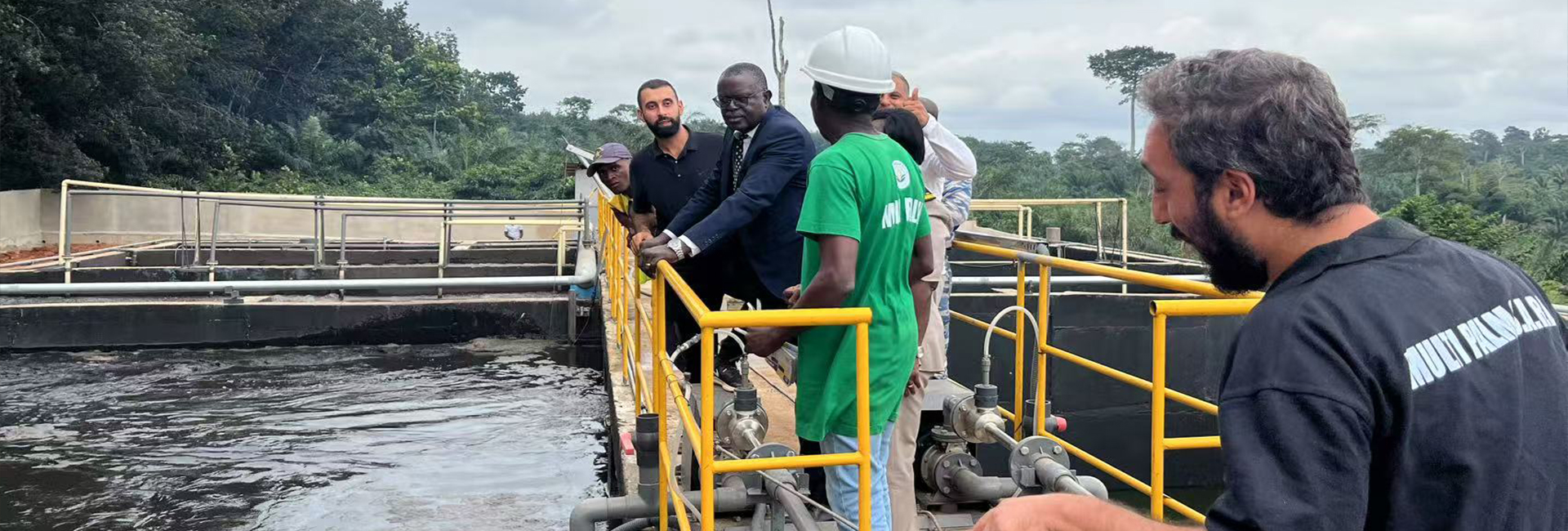
Wastewater Characteristics Food processing wastewater is mainly generated from meat processing, dairy production, grain processing, fruit and vegetable processing, beverage manufacturing, and equipment cleaning. It generally contains high concen...
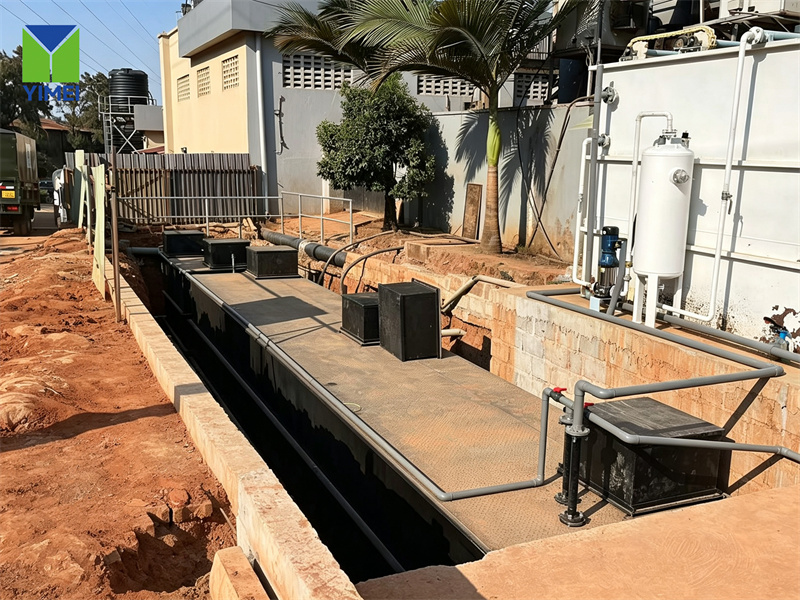
Wastewater Characteristics
Food processing wastewater is mainly generated from meat processing, dairy production, grain processing, fruit and vegetable processing, beverage manufacturing, and equipment cleaning. It generally contains high concentrations of organic matter, suspended solids, fats, oils and grease, proteins, sugars, starch, cleaning agents, and nutrients. In some cases, the wastewater may also contain color, unpleasant odors, and pathogenic microorganisms. Wastewater flow and pollutant concentrations can vary considerably depending on the raw materials, production processes, and processing capacity. If discharged without effective treatment, food processing effluent may cause oxygen depletion in receiving water bodies, odor problems, and environmental pollution. Therefore, a food processing wastewater treatment system must provide strong resistance to shock organic loads, stable organic pollutant removal, and reliable performance under local operating conditions and water reuse requirements.
Main Treatment Process
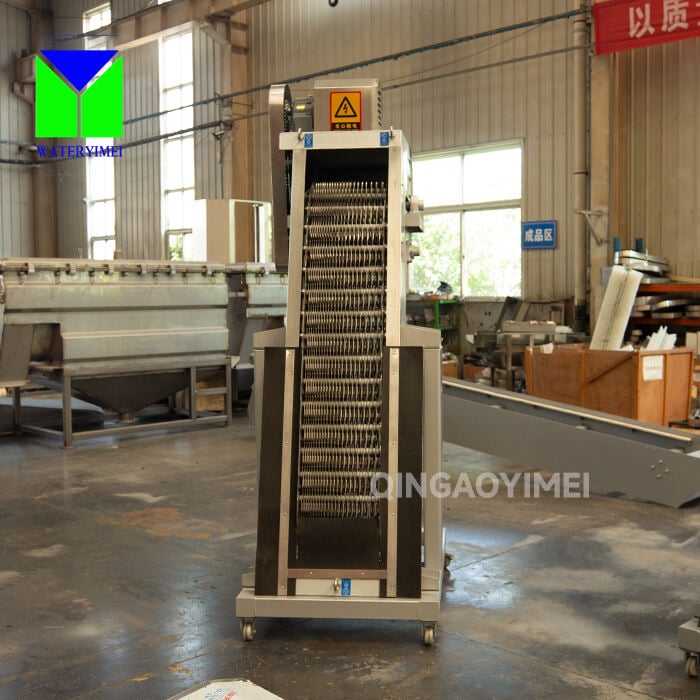
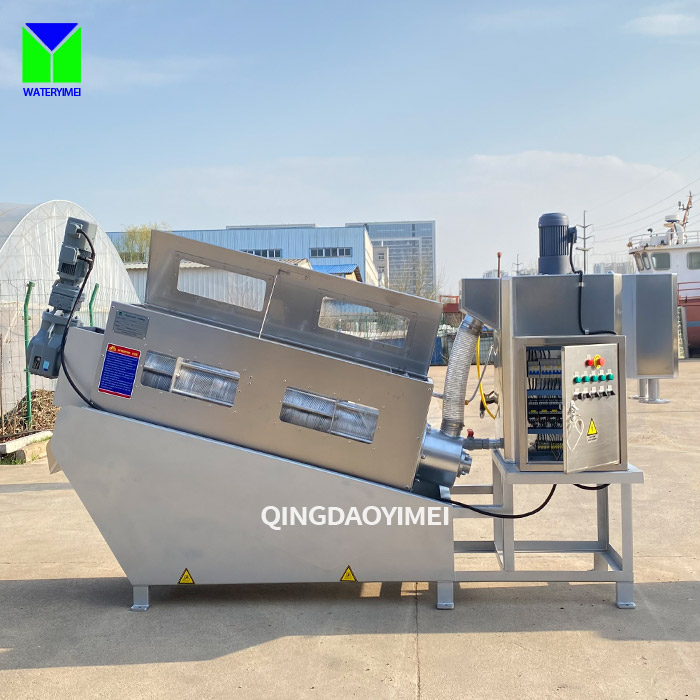
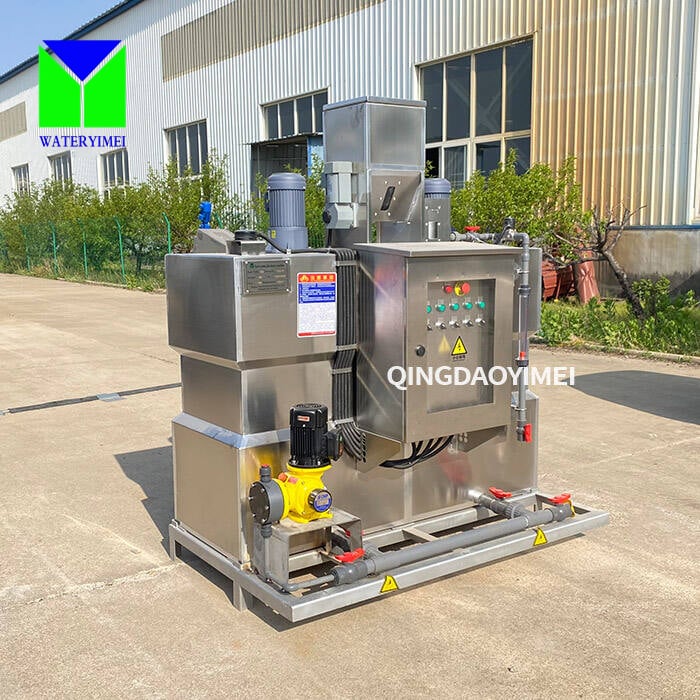
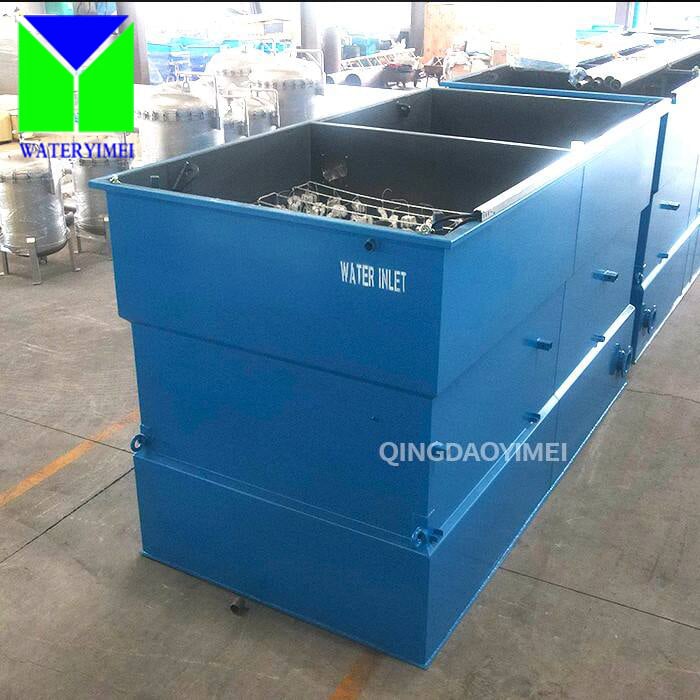
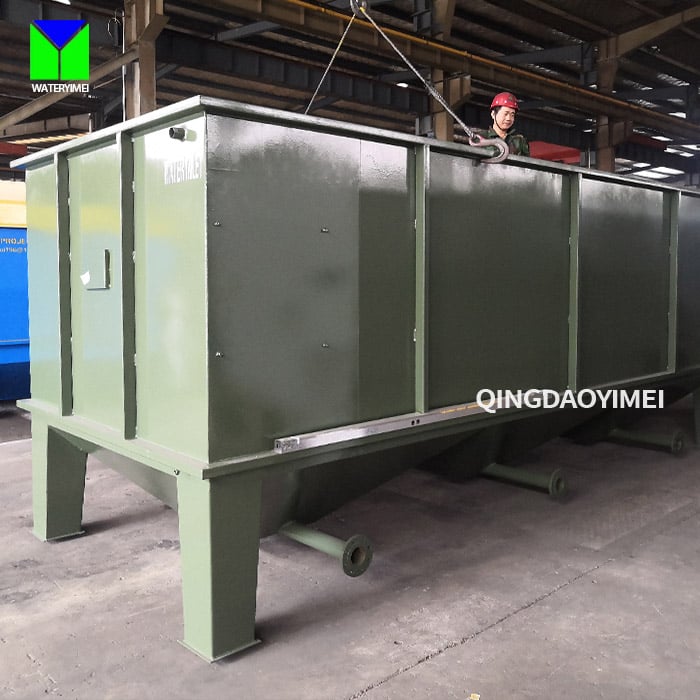
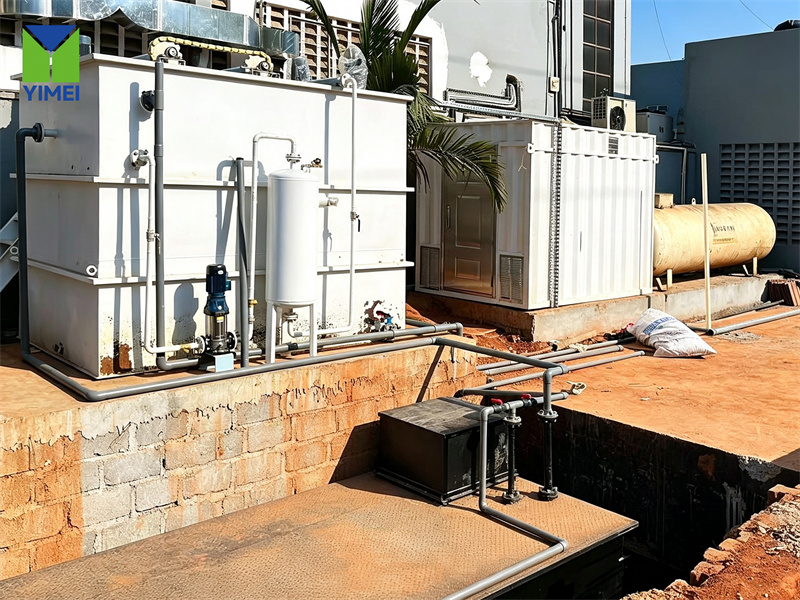
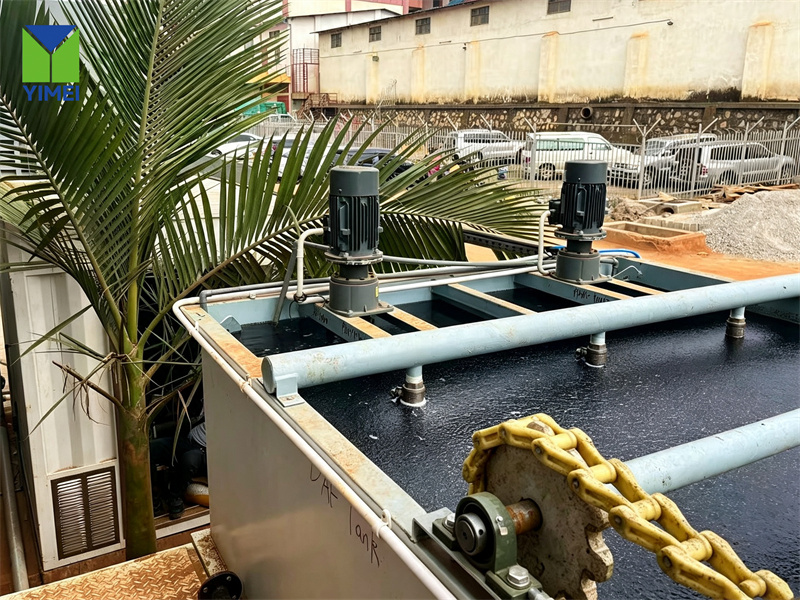
Based on the characteristics of food processing wastewater, Yimei uses an integrated treatment process consisting of screening and solid removal, equalization, oil separation and sedimentation, dissolved air flotation (DAF), biological treatment, secondary clarification, tertiary treatment, disinfection, and compliant discharge or water reuse. The pretreatment stage removes fruit and vegetable residues, bone fragments, fibers, and other large solids, while oil separation, sedimentation, or DAF reduces the loading of fats, oils, grease, and suspended solids. The subsequent biological treatment process progressively removes high concentrations of organic matter, ammonia nitrogen, and salts. Filtration, activated carbon, or membrane treatment units can also be incorporated to further improve effluent quality according to the customer’s requirements. After disinfection, the treated water can be reused for plant washdown, equipment cleaning, landscape irrigation, and other non-potable applications.
Based on the experience data of wastewater and the given data of customers, the influent water quality and the effluent water standard is designed as follows:
| Item | Influent water quality (mg/l) | Effluent quality (mg/l) |
| BOD₅ | 1000-2000 | 40 |
| COD | 2000-4000 | 50 |
| TSS | 1000-2000 | 30 |
| Oil and grease | 30-60 | 2 |
| NH₃-N | 20-40 | 2 |
Copyright © Qingdao Yimei Environment Project Co., Ltd. All Rights Reserved Privacy policy