 EN
EN
 AR
AR
 BG
BG
 CS
CS
 DA
DA
 NL
NL
 FI
FI
 FR
FR
 EL
EL
 HI
HI
 IT
IT
 JA
JA
 KO
KO
 NO
NO
 PL
PL
 PT
PT
 RO
RO
 RU
RU
 ES
ES
 TL
TL
 ID
ID
 UK
UK
 ET
ET
 TR
TR
 AF
AF
 GA
GA
 MK
MK
 BN
BN
 NE
NE
 KK
KK
 SU
SU
 UZ
UZ


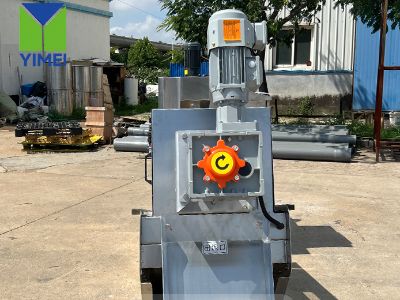
Compact screw dehydrator systems are essential for efficient wastewater treatment, especially in industries where space and operational efficiency are critical. These systems effectively separate liquid from solids, reducing the volume of waste and making disposal easier. With ongoing advancements in technology, it’s vital for purchasing managers, engineers, and product managers to stay informed about the latest trends in compact screw press dehydrator systems. This article will explore key specifications, cost factors, installation guidance, common problems, and reliable suppliers to help you make informed decisions.
Key Specifications to Consider in Compact Screw Dehydrator Systems
When evaluating compact screw dehydrator systems, several key specifications should be prioritized to ensure optimal performance and compatibility with existing processes.
Capacity: The processing capacity, typically measured in cubic meters per hour, determines how much wastewater can be treated within a specific timeframe. Buyers should assess their operational needs to select a unit that can handle peak loads without compromising efficiency.
Solid Content Reduction: Look for systems that can effectively reduce the solid content to a desired percentage. The efficiency of the dehydration process often hinges on the design of the screw mechanism and the pressing force applied during operation.
Material of Construction: The materials used in the construction of the dehydrator are crucial for longevity and resistance to corrosive environments. Stainless steel is commonly preferred for its durability and resistance to chemical degradation.
Energy Consumption: Compact screw dehydrators should be energy efficient to minimize operational costs. Evaluating the power requirements and expected energy consumption can yield significant savings over time.
Automation Features: Advanced models may come equipped with automation capabilities, such as programmable controls and monitoring systems, which enhance operational efficiency and reduce human error.
By carefully considering these specifications, buyers can select a compact screw dehydrator that meets their specific wastewater treatment needs while ensuring long-term reliability and efficiency.
Cost Factors to Consider When Sourcing Compact Screw Dehydrators
Cost is a significant factor in the procurement of compact screw dehydrators, and understanding the various components that contribute to pricing can help buyers make informed decisions.
Initial Purchase Price: This includes the base cost of the dehydrator and any additional features or options. Buyers should compare models from different manufacturers to find the best value.
Installation Costs: Installation complexity can vary based on the specific model and site conditions. Budgeting for professional installation services is essential, as improper setup can lead to operational issues.
Operating Costs: These encompass energy consumption, maintenance, and repair expenses over the lifespan of the equipment. Opting for energy-efficient models can mitigate long-term costs significantly.
Replacement Parts and Maintenance: Understanding the availability and cost of replacement parts is crucial. A manufacturer with an established supply chain, like Qingdao Yimei Environment Project Co., Ltd., can ensure timely access to spare parts, minimizing downtime.
Warranty and Support: Comprehensive warranties and robust after-sales support can add value to the initial purchase price. Ensure that the supplier offers adequate technical support and service for the equipment.
By considering these cost factors, purchasing managers can better align their budget with the operational needs of their facility while ensuring the long-term viability of their investment.
Installation Guidance for Efficient Compact Screw Dehydrator Systems
Proper installation is critical to the performance and longevity of compact screw dehydrator systems. Here are essential steps to follow for effective installation:
Site Preparation: Ensure that the installation site is adequately prepared, including a level foundation and proper access for maintenance. Adequate space should be allocated for both the dehydrator and any ancillary equipment.
Utility Connections: Verify that all necessary utility connections, including electrical power, water supply, and drainage, are in place. This step is vital to ensure the system operates smoothly from the outset.
System Configuration: Follow the manufacturer's guidelines for configuring the system. This may include setting up automation features, calibrating sensors, and integrating with existing wastewater treatment processes.
Testing and Commissioning: After installation, conduct thorough testing to ensure all components are functioning as expected. This includes checking for leaks, verifying control system operations, and testing the performance of the dehydration process.
Training for Operators: Provide training for operators to familiarize them with the system's controls, maintenance requirements, and troubleshooting protocols. Well-informed operators can significantly reduce the risk of operational issues.
By adhering to these installation guidelines, facilities can maximize the efficiency and effectiveness of their compact screw dehydrator systems from day one.
Common Problems with Compact Screw Dehydrators and Their Solutions
Despite their efficiency, compact screw dehydrators can encounter operational challenges. Here are some common problems and their solutions:
Clogging: Clogging can occur due to the accumulation of solids or debris in the feed. Regular monitoring and maintenance can help prevent this issue. Implementing a pre-treatment step, such as screening, can also reduce the load on the dehydrator.
Inadequate Solid Separation: If the dehydrator fails to achieve the desired solid content reduction, check for issues such as improper screw pitch or inadequate pressure settings. Adjusting these parameters can often resolve the problem.
Wear and Tear: Over time, components such as the screw auger or the filtration media may wear down, affecting performance. Regular inspections and timely replacement of worn parts are essential for maintaining operational efficiency.
Electrical Failures: Electrical components may fail due to surges or improper connections. Ensuring proper electrical installations and using surge protectors can mitigate this risk.
Noise Issues: Excessive noise during operation may indicate mechanical issues or misalignment. Conducting routine maintenance and ensuring correct alignment of components can help address noise concerns.
By being aware of these common issues and implementing proactive maintenance strategies, operators can enhance the reliability and performance of their compact screw dehydrator systems.
Where to Find Reliable Suppliers of Compact Screw Dehydrator Systems
Finding a trustworthy supplier for compact screw dehydrator systems is crucial for ensuring quality and support. Here are several avenues to explore:
Industry Exhibitions and Trade Shows: Attending relevant industry events allows potential buyers to meet manufacturers and suppliers, see equipment in action, and gather information on new technologies and trends.
Online Marketplaces and Directories: Utilizing online platforms that specialize in industrial equipment can help buyers compare various suppliers. Look for those with user reviews and ratings to gauge reliability.
Networking within Industry Associations: Engaging with industry associations can provide valuable referrals to reputable suppliers. Networking with peers can also yield insights into their experiences with specific manufacturers.
Manufacturer Websites: Directly visiting manufacturers’ websites, such as Qingdao Yimei Environment Project Co., Ltd., can provide detailed product information, technical specifications, and access to customer support and resources.
Request for Quotations (RFQs): Sending RFQs to multiple suppliers can help gauge responsiveness, pricing, and overall customer service. Pay attention to how suppliers address inquiries and provide information.
By leveraging these resources, purchasing managers can identify reliable suppliers of compact screw screw press dehydrator systems that meet their operational needs and quality standards.
Table of Contents
- Key Specifications to Consider in Compact Screw Dehydrator Systems
- Cost Factors to Consider When Sourcing Compact Screw Dehydrators
- Installation Guidance for Efficient Compact Screw Dehydrator Systems
- Common Problems with Compact Screw Dehydrators and Their Solutions
- Where to Find Reliable Suppliers of Compact Screw Dehydrator Systems