 EN
EN
 AR
AR
 BG
BG
 CS
CS
 DA
DA
 NL
NL
 FI
FI
 FR
FR
 EL
EL
 HI
HI
 IT
IT
 JA
JA
 KO
KO
 NO
NO
 PL
PL
 PT
PT
 RO
RO
 RU
RU
 ES
ES
 TL
TL
 ID
ID
 UK
UK
 ET
ET
 TR
TR
 AF
AF
 GA
GA
 MK
MK
 BN
BN
 NE
NE
 KK
KK
 SU
SU
 UZ
UZ


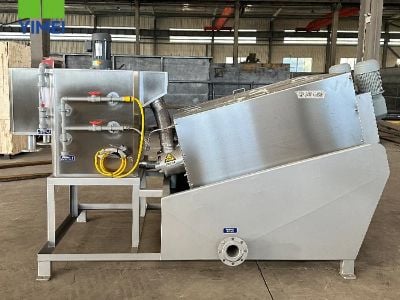
Understanding the characteristics of feed sludge is crucial for selecting the right sludge press machine. The primary keyword, "Why Feed Sludge Characteristics Matter for Sludge Press Machine Selection," emphasizes the importance of these characteristics in guiding purchasing decisions. B2B buyers, including purchasing managers, engineers, and product managers, often focus on performance, compatibility, and operational efficiency when evaluating machinery for wastewater treatment. This article aims to provide practical insights into selecting the appropriate sludge press machine based on sludge characteristics, ensuring that buyers make informed decisions.
How to Choose the Right Sludge Press Machine Based on Sludge Type?
Selecting the right sludge press machine starts with understanding the specific type of sludge being processed. Sludge can vary widely in composition, including organic and inorganic materials, and its characteristics significantly impact the performance of the press machine. For example, primary sludge, which is typically high in organic content, may require a different approach compared to secondary sludge, which is often more stable and may contain higher concentrations of microbial biomass. When evaluating sludge types, consider factors such as moisture content, viscosity, and particle size. Higher moisture content can lead to inefficiencies in dewatering processes, while thicker sludge sewage treatment may require machines equipped with more robust pressing mechanisms. Additionally, understanding chemical properties, such as pH and the presence of toxic substances, is essential, as these factors influence the choice of materials and machine design. A thorough analysis of sludge characteristics allows buyers to narrow down options and select machines that optimize performance and efficiency.
Key Specifications to Evaluate When Selecting a Sludge Press Machine
Critical specifications play a vital role in the selection of sludge press machines. Key metrics to consider include:
Capacity: This refers to the volume of sludge the machine can process within a specified time frame. It’s essential to align this with the volume of sludge generated at your facility to avoid bottlenecks in operation.
Pressure Rating: The pressure applied during the dewatering process affects the efficiency and effectiveness of sludge removal. Higher pressure ratings typically lead to better moisture reduction, but they may also increase wear and tear on the machine.
Filtration Area: The size of the filtration area directly correlates with the machine's ability to handle varying sludge types. A larger area can accommodate more significant volumes of sludge dewatering equipment and enhance the dewatering process.
Material of Construction: The choice of materials influences durability and resistance to corrosion, especially in environments where chemical exposure is prevalent. Stainless steel is often preferred for its resistance to rust and ability to maintain structural integrity over time.
Automation Features: Advanced machines may offer automated controls for monitoring and adjusting parameters in real-time. This can lead to increased efficiency and reduced labor costs.
By evaluating these specifications against operational requirements, buyers can ensure that the selected sludge press machine meets their specific needs and performs reliably under varying conditions.
Selecting Sludge Press Machines with Confidence
To select sludge press machines confidently, buyers should conduct a comprehensive assessment of potential suppliers. Begin by reviewing the manufacturer’s experience and expertise in producing sludge press machines. A company like Qingdao Yimei Environment Project Co., Ltd., with over 35 years in the industry, can provide valuable insights and proven solutions. Next, consider the customization capabilities of the supplier. Depending on your specific sludge characteristics, you may require tailored solutions that standard machines cannot accommodate. Engage with suppliers to discuss potential modifications or enhancements that can optimize performance. Additionally, request references from previous clients who have similar applications. This can provide valuable feedback on the machine’s performance, reliability, and the manufacturer’s after-sales service. A trustworthy supplier should be willing to share these insights and demonstrate a commitment to customer satisfaction.
Quality Control Measures for Ensuring Reliable Sludge Press Machines
Quality control is paramount in the manufacturing of sludge press machines. Manufacturers should adhere to strict quality assurance protocols throughout the production process to ensure reliability and optimal performance. Key measures include:
Material Inspection: Before production, raw materials should be thoroughly inspected for quality and compliance with industry standards. This helps to prevent issues related to material failure during operation.
In-Process Testing: Conducting tests at various stages of production allows manufacturers to identify and rectify any issues before final assembly. This includes evaluating components for dimensional accuracy and performance under load.
Final Performance Testing: Completed machines should undergo rigorous testing to simulate actual operating conditions. This ensures that all specifications are met and that the machine can operate effectively in the intended environment.
Documentation and Certification: Providing detailed documentation of quality control processes and certifications can enhance buyer confidence. This should include test results, warranty information, and maintenance guidelines.
Effective quality control measures not only ensure reliable performance but also reduce the likelihood of operational disruptions and maintenance costs for buyers.
Common Challenges in Sludge Management and Effective Solutions
Managing sludge can present various challenges, including high moisture content, odor control, and varying sludge characteristics. Addressing these challenges effectively requires a strategic approach:
Moisture Management: High moisture content can lead to increased disposal costs and reduced efficiency in treatment processes. Investing in advanced sludge press machines that offer superior dewatering capabilities can significantly mitigate this issue.
Odor Control: Sludge often generates unpleasant odors, which can impact the surrounding environment and community relations. Implementing enclosed systems or odor control technologies alongside sludge presses can help manage this problem effectively.
Variable Composition: Fluctuating sludge thickening tank characteristics due to changes in waste input can complicate treatment processes. Utilizing machines with adjustable settings and operational flexibility can help accommodate these variations and maintain consistent performance.
Regulatory Compliance: Ensuring compliance with environmental regulations is critical. Buyers should work closely with manufacturers to understand how their equipment can help meet these regulations and what documentation may be required.
By proactively addressing these challenges, companies can improve their sludge management processes and enhance overall operational efficiency.
In summary, understanding the characteristics of feed sludge is fundamental to selecting the right sludge press machine. By evaluating sludge type, key specifications, and supplier capabilities, buyers can make informed decisions that lead to efficient wastewater treatment solutions.
Table of Contents
- How to Choose the Right Sludge Press Machine Based on Sludge Type?
- Key Specifications to Evaluate When Selecting a Sludge Press Machine
- Selecting Sludge Press Machines with Confidence
- Quality Control Measures for Ensuring Reliable Sludge Press Machines
- Common Challenges in Sludge Management and Effective Solutions