 EN
EN
 AR
AR
 BG
BG
 CS
CS
 DA
DA
 NL
NL
 FI
FI
 FR
FR
 EL
EL
 HI
HI
 IT
IT
 JA
JA
 KO
KO
 NO
NO
 PL
PL
 PT
PT
 RO
RO
 RU
RU
 ES
ES
 TL
TL
 ID
ID
 UK
UK
 ET
ET
 TR
TR
 AF
AF
 GA
GA
 MK
MK
 BN
BN
 NE
NE
 KK
KK
 SU
SU
 UZ
UZ


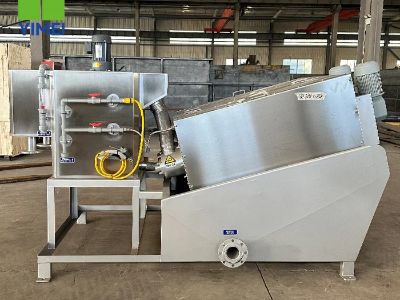
A screw dehydrator is a critical component in automated sludge dewatering processes, designed to efficiently extract water from sludge, significantly reducing its volume. Understanding how screw dehydrator design influences automated sludge dewatering is vital for B2B buyers, such as purchasing managers and engineers, who are tasked with selecting the right equipment. This article will help you navigate the key factors in screw dehydrator design, supplier reliability, essential specifications, cost considerations, and common challenges in sludge dewatering.
How Screw Dehydrator Design Enhances Automated Sludge Dewatering?
The design of a screw dehydrator plays a pivotal role in its efficiency and effectiveness in automated sludge dewatering. Key features include the screw configuration, which influences the compression and dewatering of the sludge. A well-designed screw can optimize the drainage of water while minimizing energy consumption. Moreover, the material used in the construction of the dehydrator, typically stainless steel, ensures durability and resistance to corrosion, which is essential given the harsh conditions often associated with wastewater treatment. The design should also facilitate easy maintenance and access to critical components, allowing for quick repairs and reduced downtime. Another important aspect is the integration of automation technologies, such as sensors and control systems, which help monitor performance and adjust operations in real-time, enhancing the overall efficiency of the dewatering process. Buyers should look for dehydrators that incorporate these advanced features to maximize productivity and return on investment.
Choosing a Reliable Supplier for Screw Dehydrator Equipment
Selecting a reliable supplier for screw dehydrator equipment is crucial for achieving optimal performance and durability. Buyers should seek manufacturers with a solid track record and extensive experience in the design and fabrication of environmental protection and water treatment equipment. A supplier like Qingdao Yimei Environment Project Co., Ltd., established in 1988, exemplifies the kind of expertise and reliability that should be prioritized. When evaluating potential suppliers, consider their production capabilities, quality control processes, and customer support services. A strong after-sales service network can significantly impact the operational efficiency of your screw dehydrator. Additionally, inquire about the availability of spare parts and the supplier's export experience, especially if you are sourcing equipment for international projects. Requesting references or case studies from previous clients can provide valuable insights into the supplier's reliability and the performance of their products in real-world applications.
Key Specifications to Consider for Screw Dehydrators
When sourcing a screw dehydrator, several key specifications should be closely examined to ensure compatibility with your specific application.
Capacity: Determine the expected throughput of sludge to ensure the dehydrator can handle your operational needs. This is often measured in cubic meters per hour (m³/h) and should align with your facility's volume of sludge.
Screw Diameter and Length: These dimensions directly affect the dewatering efficiency. A larger diameter can increase the volume of sludge processed, while the length can enhance the retention time, allowing for better moisture removal.
Motor Power: The motor must be adequately sized to handle the operational demands of the dehydrator. Insufficient power can lead to equipment failure or inadequate performance, while excessive power may result in higher energy costs.
Material Specifications: Stainless steel construction is often preferred due to its resistance to corrosion and ease of cleaning. Check for certifications that guarantee the material's quality and suitability for wastewater applications.
Control Systems: Advanced control systems that allow for real-time monitoring and adjustments can enhance the efficiency of the dewatering process.
Ensure to discuss these specifications with your supplier to confirm that the dehydrator meets your operational requirements.
Cost Factors When Sourcing Screw Dehydrators in Bulk
When sourcing screw dehydrators in bulk, several cost factors must be considered to ensure a financially sound investment.
Unit Price: Typically, purchasing in bulk can lead to a lower unit price. However, it’s essential to evaluate the total cost of ownership, including installation, maintenance, and operational costs.
Shipping and Handling: Depending on the size and weight of the dewatering screw press machine, shipping costs can significantly affect the overall expenditure. Be sure to obtain shipping quotes and consider logistics when planning your order.
Customization Costs: If specific modifications or customizations are required, be aware that these may incur additional charges. Discuss your needs with the supplier upfront to get an accurate estimate.
Maintenance and Replacement Parts: Factor in the costs associated with ongoing maintenance and the availability of replacement parts. Reliable suppliers often provide warranties and support for parts, which can save costs in the long run.
Financing Options: Some manufacturers offer financing arrangements that can help manage cash flow during the purchasing process. Assess any financing options available to determine if they align with your budget.
Common Problems in Sludge Dewatering and Their Solutions
Sludge dewatering processes can encounter various challenges that may hinder efficiency. Understanding these common problems can help you proactively address them.
Clogging: One of the most frequent issues is clogging in the screw or screen, often caused by fibrous materials in the sludge. Regular maintenance and the installation of pre-treatment systems can mitigate this issue.
Inconsistent Dewatering Performance: Variations in moisture content can lead to inconsistent performance. Implementing a robust monitoring system can help adjust operations in real-time, ensuring optimal performance.
Wear and Tear: Over time, components such as the screw and screens may wear down, affecting efficiency. Selecting high-quality materials and ensuring proper maintenance are key to prolonging the lifespan of the equipment.
Energy Consumption: High energy costs can arise from inefficient equipment. Investing in a dehydrator with energy-efficient motors and control systems can lead to significant savings over time.
Environmental Compliance: Ensuring compliance with local regulations regarding waste disposal is essential. Working with a supplier knowledgeable about compliance can help you select sludge dewatering screw press that meets legal standards.
Addressing these common problems with proactive strategies can enhance the reliability and efficiency of your sludge dewatering operations. By understanding how screw dehydrator design supports automated sludge dewatering, you can make informed decisions to improve your wastewater treatment processes. Engaging with a reputable supplier like Qingdao Yimei Environment Project Co., Ltd. ensures you have access to high-quality equipment and knowledgeable support throughout the purchasing process.