 EN
 AR
 BG
 CS
 DA
 NL
 FI
 FR
 EL
 HI
 IT
 JA
 KO
 NO
 PL
 PT
 RO
 RU
 ES
 TL
 ID
 UK
 ET
 TR
 AF
 GA
 MK
 BN
 NE
 KK
 SU
 UZ


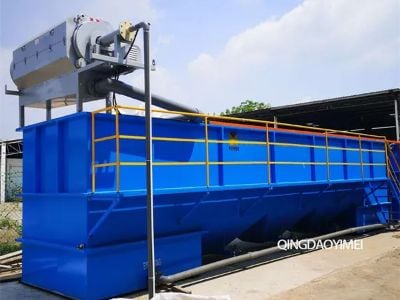
Understanding how wastewater management plant layout influences treatment operations is crucial for optimizing efficiency and ensuring compliance with environmental regulations. The design of a wastewater treatment facility directly impacts operational effectiveness, resource allocation, and long-term maintenance. B2B buyers, including purchasing managers and engineers, often seek insights into how layout considerations can affect performance, operational costs, and overall project success. This article will explore the relationship between wastewater plants layout and treatment operations, providing valuable information for decision-makers involved in wastewater management projects.
How Wastewater Management Plant Layout Affects Operational Efficiency?
The layout of a wastewater management plant is a foundational element that significantly impacts operational efficiency. A well-considered design ensures smooth workflows, minimizes equipment wear, and reduces the potential for bottlenecks. Key aspects include the positioning of treatment units, flow paths, and accessibility for maintenance.
For instance, when designing the layout, it's vital to arrange equipment in a logical sequence that corresponds to the treatment process. This reduces the distance that wastewater must travel between stages, thereby decreasing energy consumption and enhancing overall process efficiency. Furthermore, adequate spacing around wastewater treatment equipment allows for easy access during routine maintenance and emergency repairs, which is critical for minimizing downtime.
Additionally, the incorporation of automated systems and control rooms near key treatment processes can lead to quicker response times to operational issues. Buyers should evaluate potential layouts based on these efficiency metrics to ensure they select designs that promote optimal performance.
Key Specifications for Wastewater Management Plant Design Success
Designing a successful wastewater management plant involves several specifications that must be carefully considered. These include:
Capacity Requirements: Understanding the anticipated volume of wastewater is essential. This informs the size of tanks, pumps, and other equipment needed to handle peak loads.
Flow Rate and Velocity: Specifications regarding the flow rate through various treatment stages are critical. High velocities can lead to erosion and wear, while low velocities can result in sedimentation issues.
Material Selection: The choice of materials for construction must consider factors such as chemical exposure, temperature extremes, and durability. For example, corrosion-resistant materials may be necessary for components exposed to harsh chemicals.
By focusing on these specifications, buyers can ensure that the treatment plant is designed to meet both current and future demands while maintaining compliance with regulatory standards.
Wastewater Treatment Solutions for Your Projects
Qingdao Yimei Environment Project Co., Ltd. offers a range of wastewater treatment solutions tailored to diverse industrial and environmental needs. With over 130 types of machinery, we provide flexibility in selecting wastewater equipment that fits specific project requirements.
When considering wastewater treatment solutions, buyers should evaluate the following:
Customization Options: Depending on the unique needs of a project, customization may be necessary. This can include adjustments in tank sizes, the integration of advanced filtration systems, or modifications to automation levels.
Scalability: As businesses grow, their wastewater treatment needs may change. Solutions that allow for scalability can save costs and time in the long run.
Energy Efficiency: Choosing energy-efficient systems not only reduces operational costs but also aligns with sustainability goals.
Investing in the right wastewater treatment solutions ensures that facilities can operate efficiently while adapting to evolving regulations and environmental standards.
Installation Guidance for Efficient Wastewater Treatment Operations
Proper installation is crucial for the longevity and effectiveness of wastewater treatment equipment. For successful operations, buyers should consider several key factors during the installation phase:
Site Preparation: Ensure the site is appropriately graded and leveled to prevent issues with water pooling or flooding, which can disrupt operations.
Equipment Alignment: All machinery should be aligned according to manufacturer specifications. Misalignment can lead to increased wear and maintenance issues down the line.
Testing and Calibration: After installation, conducting thorough testing and calibration of equipment is essential. This includes verifying flow rates, pump functionality, and control systems to ensure they operate as intended.
By following these guidelines, buyers can facilitate smoother installations that promote operational efficiency from the outset.
Evaluating Quality in Wastewater Management Equipment and Layouts
Quality assurance is paramount in the selection of wastewater management equipment and layouts. Buyers should adopt a proactive approach to evaluate quality through several key considerations:
Manufacturer Reputation: Choose manufacturers with a proven track record in producing reliable equipment. Qingdao Yimei Environment Project Co., Ltd. has extensive experience in the industry and exports to over 20 countries, reflecting our commitment to quality.
Certification and Compliance: Ensure that equipment meets local and international standards. This may include certifications related to safety, environmental impact, and operational efficiency.
Performance Testing: Before finalizing a purchase, request performance data and testing results. This can provide insight into how the equipment has performed under various conditions.
By prioritizing these evaluation criteria, buyers can ensure they select high-quality equipment and layouts that will contribute to the long-term success of their wastewater management projects.
Understanding the influence of wastewater management plant layout on treatment operations is essential for achieving optimal efficiency and compliance. By focusing on key specifications, installation practices, and quality evaluations, buyers can make informed decisions that enhance the effectiveness of their wastewater treatment solutions.
Table of Contents
- How Wastewater Management Plant Layout Affects Operational Efficiency?
- Key Specifications for Wastewater Management Plant Design Success
- Wastewater Treatment Solutions for Your Projects
- Installation Guidance for Efficient Wastewater Treatment Operations
- Evaluating Quality in Wastewater Management Equipment and Layouts