 EN
EN
 AR
AR
 BG
BG
 CS
CS
 DA
DA
 NL
NL
 FI
FI
 FR
FR
 EL
EL
 HI
HI
 IT
IT
 JA
JA
 KO
KO
 NO
NO
 PL
PL
 PT
PT
 RO
RO
 RU
RU
 ES
ES
 TL
TL
 ID
ID
 UK
UK
 ET
ET
 TR
TR
 AF
AF
 GA
GA
 MK
MK
 BN
BN
 NE
NE
 KK
KK
 SU
SU
 UZ
UZ


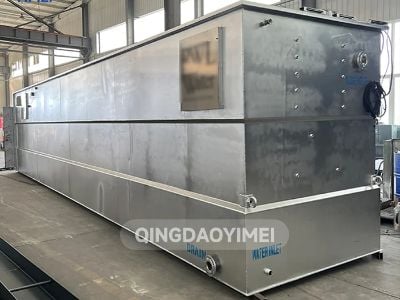
Wastewater clarifiers play a crucial role in biological treatment processes by helping separate solids from liquids, thus ensuring the effective treatment of wastewater. For B2B buyers such as purchasing managers, engineers, and distributors the selection of the right clarifier is essential for compliance with environmental regulations and operational efficiency. This article will help you understand how to choose the appropriate wastewater clarifier for your needs, key specifications to consider, common challenges, and the applications of these systems in industrial settings.
How to Choose the Right Wastewater Clarifier for Your Project?
Selecting the right wastewater clarifier involves understanding the specific needs of your project. Consider factors such as the type of wastewater being treated, the desired treatment capacity, and the space available for installation. It is also essential to evaluate the flow rate of the wastewater and the expected solids loading to ensure the clarifier can handle the volume effectively. Moreover, assess whether you need a circular or rectangular clarifier. Circular clarifiers are often more efficient in sedimentation processes due to their design, while rectangular clarifiers wastewater treatment can be more space-efficient. Engaging with a supplier who understands your needs like Qingdao Yimei Environment Project Co., Ltd., known for its expertise in wastewater treatment solutions can provide valuable insight into the best options for your specific application.
Key Specifications to Consider for Wastewater Clarifiers
When evaluating wastewater clarifiers, pay attention to the following specifications:
Size and Capacity: Determine the dimensions based on the expected flow rates and solids concentration. The size should be adequate to allow for effective sedimentation without causing excessive retention time.
Material Composition: Clarifiers are typically made from reinforced concrete, steel, or fiberglass. The material choice affects durability and resistance to corrosion, especially in harsh chemical environments.
Design Features: Look for features such as sludge removal mechanisms, scum baffles, and weir systems. These can significantly enhance performance by ensuring efficient separation and minimizing maintenance needs.
Operational Efficiency: Review the design’s hydraulic performance, including the clarifier’s ability to manage peak flows and its energy efficiency.
By focusing on these specifications, buyers can ensure they select clarifiers that meet their operational and regulatory requirements.
Evaluating the Quality of Wastewater Clarifiers for Dependable Use
Quality assurance in wastewater clarifiers is paramount for reliable performance. Review the manufacturing processes employed by potential suppliers, such as those at Qingdao Yimei Environment Project Co., Ltd., which emphasize stringent quality control practices.
Key quality indicators include:
Certifications: Check for industry certifications that validate the product’s compliance with established standards. This can be a strong indicator of quality assurance and reliability.
Material Testing: Ensure that the materials used have undergone rigorous testing to assess their durability and resistance to chemical exposure.
Performance Testing: Look for evidence of performance testing under actual operating conditions. This can include operational simulations that demonstrate the clarifier's efficiency in removing solids.
By prioritizing these quality factors, buyers can mitigate the risk of operational failures and ensure long-term reliability in their water clarifiers treatment processes.
Common Problems with Wastewater Clarifiers and Their Solutions
While wastewater clarifiers are effective, they can encounter several common issues:
Clogging: This can occur when solids accumulate faster than they are removed. Regular maintenance and proper sizing can help mitigate this issue.
Inefficient Sedimentation: If the clarifier is undersized or if the inflow is too rapid, sedimentation may be ineffective. To resolve this, ensure the clarifier is appropriately sized and consider adjusting the inflow rates.
Scum Accumulation: Scum can build up on the surface, impeding proper function. Installing a scum scraper or regularly scheduled maintenance can help keep this under control.
Mechanical Failures: Components such as sludge pumps or motors may fail. Regular inspections and employing high-quality components can reduce the likelihood of these problems.
Addressing these common issues proactively and understanding potential solutions can ensure smoother operations and reduce downtime in wastewater treatment facilities.
Applications of Wastewater Clarifiers in Industrial Settings
Wastewater clarifiers have a wide range of applications across various industrial sectors, including:
Manufacturing: In industries such as food processing or textiles, clarifiers help manage large volumes of wastewater laden with organic solids.
Chemical Processing: Clarifiers are crucial in managing wastewater containing hazardous materials, where proper separation is necessary to meet regulatory compliance.
Municipal Wastewater Treatment: Clarifiers are integral to municipal systems, aiding in the pre-treatment stages before biological treatment processes.
Oil and Gas: In this sector, clarifiers are employed to manage produced water, ensuring that contaminants are removed before discharge or reuse.
Understanding these applications can help buyers identify the right clarifier for their specific industry needs and ensure compliance with environmental regulations. By considering these factors when selecting wastewater clarifiers, B2B buyers can make informed decisions that enhance operational efficiency, ensure compliance, and maintain the integrity of their wastewater treatment processes.
Table of Contents
- How to Choose the Right Wastewater Clarifier for Your Project?
- Key Specifications to Consider for Wastewater Clarifiers
- Evaluating the Quality of Wastewater Clarifiers for Dependable Use
- Common Problems with Wastewater Clarifiers and Their Solutions
- Applications of Wastewater Clarifiers in Industrial Settings