 EN
EN
 AR
AR
 BG
BG
 CS
CS
 DA
DA
 NL
NL
 FI
FI
 FR
FR
 EL
EL
 HI
HI
 IT
IT
 JA
JA
 KO
KO
 NO
NO
 PL
PL
 PT
PT
 RO
RO
 RU
RU
 ES
ES
 TL
TL
 ID
ID
 UK
UK
 ET
ET
 TR
TR
 AF
AF
 GA
GA
 MK
MK
 BN
BN
 NE
NE
 KK
KK
 SU
SU
 UZ
UZ


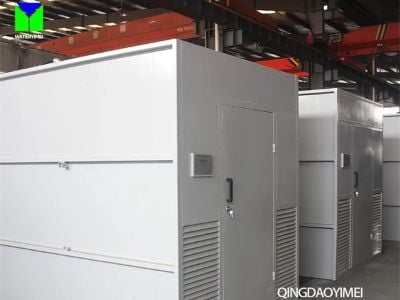
Industrial sewage and sewerage treatment systems serve distinct purposes, especially when compared to municipal systems. Understanding these differences is essential for B2B buyers, particularly purchasing managers, engineers, and product managers who are involved in the selection and implementation of wastewater treatment solutions. This article will explore what makes industrial sewage treatment unique, key specifications to consider when sourcing equipment, quality standards, reliable suppliers, and installation guidance helping buyers make informed decisions in a complex market.
What Makes Industrial Sewage Treatment Unique Compared to Municipal Systems?
Industrial sewage treatment differs significantly from municipal systems in several key aspects. While municipal systems are designed to handle wastewater from residential areas and small businesses, industrial systems are tailored to process effluents from specific industries, which often contain higher concentrations of pollutants, chemicals, and varying physical properties.
One major difference lies in the treatment processes employed. Industrial sewage water treatment may utilize advanced technologies such as biological treatment, chemical precipitation, and membrane filtration to address unique water quality challenges. These treatments are often customized to meet regulatory requirements specific to the industry (food processing, pharmaceuticals, or textiles).
Furthermore, the scale and capacity of industrial systems are generally larger, reflecting the higher volumes of wastewater generated by manufacturing processes. As a result, industrial systems often require more robust infrastructure and specialized equipment to ensure compliance with environmental regulations and operational efficiency.
Key Specifications for Industrial Sewage Treatment Equipment
When sourcing industrial sewage treatment equipment, several specifications are crucial to ensure suitability for specific applications.
Flow Rate: This indicates the volume of wastewater that the system can process within a specific timeframe and should be matched to the expected output of the facility to prevent overloading.
Material Composition: The choice of materials must be appropriate for the types of chemicals and pollutants present in the wastewater. Corrosion-resistant materials are essential to prolong sewage equipment life and maintain performance under harsh conditions.
Treatment Technology: Different technologies, such as activated sludge, anaerobic digestion, or biofilm reactors, have varying efficiencies and suitability for different types of industrial waste. Understanding the advantages and limitations of each is critical in selecting the right system.
Energy Efficiency: As energy costs are a significant portion of operating expenses, equipment that maximizes energy efficiency will be more sustainable and economical in the long run.
Automation and Control Systems: Modern industrial treatment systems often include automated controls for monitoring and adjusting treatment processes. Buyers should evaluate the sophistication of these systems and their ease of integration with existing operations.
Evaluating Quality Standards in Industrial Wastewater Treatment
Quality standards for industrial wastewater treatment equipment can vary by industry and region, but several key certifications and guidelines are generally applicable.
ISO Certifications: International Organization for Standardization (ISO) certifications indicate that the manufacturing process adheres to international standards for quality management systems. ISO 9001, for example, focuses on consistent quality and customer satisfaction.
Environmental Compliance: Equipment must meet local environmental regulations, which can include standards set by agencies like the Environmental Protection Agency (EPA) in the U.S. or similar bodies in other countries. Buyers should confirm that the equipment complies with these regulations.
Performance Testing: Look for suppliers who provide documentation of third-party performance testing. This can include efficiency ratings for pollutant removal and operational reliability.
Durability Testing: Industrial environments can be harsh. Equipment should be tested for longevity and stress under typical operational conditions, ensuring it can withstand the demands of continuous use.
Service and Support: Evaluate the supplier’s after-sales service capabilities, including availability of spare parts, maintenance support, and technical assistance, which are vital for minimizing downtime and sustaining operational efficiency.
Where to Source Reliable Industrial Sewage Treatment Suppliers?
Finding trustworthy suppliers of industrial sewage treatment equipment is essential for ensuring high-quality solutions. Key strategies include:
Industry References: Seek recommendations from other companies within your industry. Networking at trade shows or industry conferences can also provide valuable insights into reputable suppliers.
Supplier Certifications: Verify that suppliers hold relevant certifications and have a history of compliance with industry standards. Established manufacturers often showcase their credentials prominently.
Product Reviews and Case Studies: Look for case studies or testimonials from previous customers. These can provide insights into the reliability and performance of the equipment in similar applications.
Technical Capabilities: Assess the supplier's technical capabilities, including their manufacturing processes, material sourcing, and customization options. This will help ensure that they can meet specific project requirements.
After-Sales Support: A reliable supplier should offer comprehensive after-sales support, including installation assistance, maintenance services, and prompt availability of spare parts. This is critical for ensuring the longevity and effectiveness of the treatment system.
Installation Guidance for Industrial Sewage Treatment Equipment
Proper installation of industrial sewage treatment equipment is vital for optimal performance and compliance with regulatory standards. Here are several key considerations:
Site Assessment: Before installation, conduct a thorough assessment of the site’s characteristics, including space availability, proximity to existing infrastructure, and environmental considerations. This will help determine the best layout for the treatment system.
Professional Installation: Engage qualified professionals with experience in installing industrial wastewater treatment systems. Their expertise will ensure that installation is performed correctly and efficiently.
Testing and Commissioning: After installation, it’s crucial to conduct comprehensive testing and commissioning to verify that the system operates as intended. This includes checking flow rates, treatment efficiency, and control system functions.
Training for Operators: Provide training for operators who will manage the system. They should be familiar with daily operations, routine maintenance, and emergency procedures to ensure smooth and safe operation.
Ongoing Monitoring: Establish a monitoring schedule to regularly assess system performance. This will help in identifying any issues early and maintaining compliance with environmental regulations.
In summary, understanding the differences between industrial sewage and sewerage treatment systems and municipal systems is critical for making informed purchasing decisions. By evaluating key specifications, quality standards, supplier reliability, and installation considerations, buyers can confidently select the right solutions for their wastewater treatment needs.
Table of Contents
- What Makes Industrial Sewage Treatment Unique Compared to Municipal Systems?
- Key Specifications for Industrial Sewage Treatment Equipment
- Evaluating Quality Standards in Industrial Wastewater Treatment
- Where to Source Reliable Industrial Sewage Treatment Suppliers?
- Installation Guidance for Industrial Sewage Treatment Equipment