 EN
EN
 AR
AR
 BG
BG
 CS
CS
 DA
DA
 NL
NL
 FI
FI
 FR
FR
 EL
EL
 HI
HI
 IT
IT
 JA
JA
 KO
KO
 NO
NO
 PL
PL
 PT
PT
 RO
RO
 RU
RU
 ES
ES
 TL
TL
 ID
ID
 UK
UK
 ET
ET
 TR
TR
 AF
AF
 GA
GA
 MK
MK
 BN
BN
 NE
NE
 KK
KK
 SU
SU
 UZ
UZ


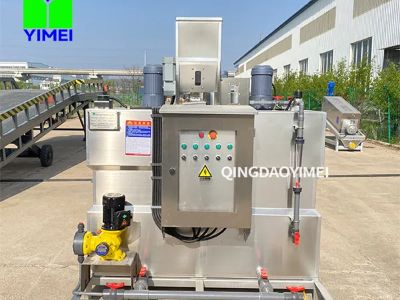
Integrated Wastewater Management (IWM) plays a crucial role in enhancing the efficiency of wastewater treatment and sludge handling processes. As industries face increasing regulatory pressures and environmental challenges, understanding how IWM connects treatment and sludge handling is vital for B2B buyers, including purchasing managers, engineers, and product managers. This article will delve into the intricacies of IWM, addressing key concerns such as equipment selection, quality assurance, installation, cost factors, and practical applications across various industries.
Reliable Suppliers for Wastewater Treatment Equipment
When evaluating suppliers for wastewater treatment equipment, reliability is a primary concern for B2B buyers. A reputable supplier should have a proven track record in the industry, demonstrated through years of experience and successful project completions. For instance, Qingdao Yimei Environment Project Co., Ltd., founded in 1988, has established itself as a trusted manufacturer with over 130 types of machinery tailored for environmental protection and water treatment.
Buyers should look for suppliers that provide comprehensive technical support and after-sales service, as this can significantly impact the operational efficiency of the equipment. Additionally, consider suppliers who maintain branches in key regions for prompt access to spare parts and support. Verifying the supplier's certifications and compliance with international standards is also crucial, ensuring that the equipment meets regulatory requirements and industry best practices. 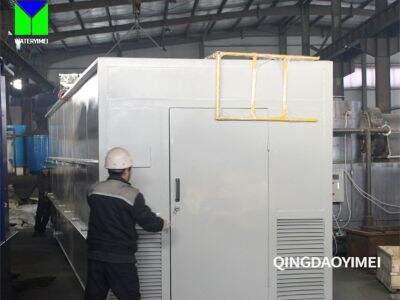
Quality Control Measures in Wastewater Treatment Equipment Manufacturing
Quality control in manufacturing wastewater treatment equipment suppliers is essential to ensure that the final products meet performance and safety standards. Effective quality control measures involve several stages, including material selection, production processes, and final inspections. For instance, at Qingdao Yimei, rigorous testing is conducted at each phase of production to identify potential issues early on.
Buyers should inquire about the specific quality control processes a manufacturer employs. Key aspects include:
Raw Material Inspection: Ensuring that all materials comply with specified standards to maintain durability and performance.
Production Monitoring: Continuous oversight during the manufacturing process to catch deviations from design specifications.
Final Product Testing: Comprehensive testing of completed equipment to verify functionality and compliance with performance metrics.
Understanding these measures will help buyers evaluate the reliability of the equipment and the manufacturer's commitment to quality. 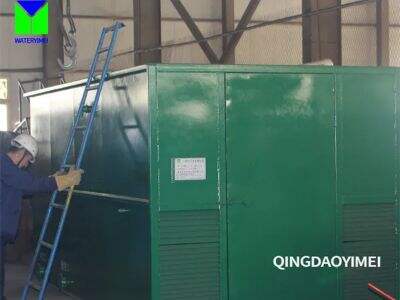
Installation Guidance for Integrated Wastewater Management Solutions
Proper installation of wastewater treatment systems is critical to their performance and longevity. Integrated Wastewater Management solutions often involve complex systems that require precise setup. Buyers should seek suppliers who offer detailed installation guidance, including comprehensive manuals and on-site support if necessary.
At Qingdao Yimei, we recognize the importance of installation in maximizing equipment efficiency. Our team provides not only installation manuals but also hands-on training for operational staff to ensure that they understand the system's intricacies. This training can help prevent common operational issues and optimize system performance.
Before installation, buyers should confirm the following:
Site Conditions: Assessing the installation site to ensure compatibility with the equipment's requirements.
Utilities and Connections: Ensuring adequate water supply, power, and drainage systems are in place before installation.
Safety Protocols: Establishing safety measures for personnel during installation and operation.
By addressing these factors, buyers can facilitate a smoother installation process and enhance the overall effectiveness of the treatment system.
Cost Factors in Integrated Wastewater Management and Sludge Handling
When considering integrated wastewater management solutions, understanding the cost factors is crucial for informed purchasing decisions. Various components contribute to the overall cost, including equipment type, installation complexity, and ongoing maintenance requirements.
For example, purchasing advanced treatment equipment may involve a higher initial investment, but it can lead to significant savings in operational costs and compliance with environmental regulations in the long run. Buyers should also factor in:
Maintenance Costs: Regular maintenance is essential for the longevity of wastewater treatment systems. Understanding the maintenance schedule and associated costs can inform budget planning.
Operational Efficiency: More efficient systems may reduce energy consumption and labor costs, leading to lower overall operating expenses.
Lifecycle Costs: Evaluating the total cost of ownership, including installation, maintenance, and potential repairs, provides a clearer picture of financial commitments.
Prospective buyers should engage with suppliers to obtain detailed cost breakdowns and discuss financing options that align with their budgetary constraints.
Applications of Integrated Wastewater Management in Various Industries
Integrated wastewater management solutions find applications across diverse industries, each with unique requirements and challenges. Understanding these applications can help buyers make informed decisions tailored to their specific industry needs.
Municipal Wastewater Treatment: Cities utilize IWM for efficient treatment and disposal of municipal wastewater, ensuring compliance with environmental regulations and reducing public health risks.
Food and Beverage Processing: Industries in this sector often generate high volumes of organic waste, necessitating specialized treatment solutions to manage sludge effectively and recover resources.
Pharmaceutical Manufacturing: Due to stringent regulations, pharmaceutical companies rely on advanced IWM systems to treat wastewater and manage hazardous sludge safely.
Textile Industry: The textile sector faces challenges related to dye and chemical waste, making integrated solutions essential for minimizing environmental impact.
By understanding the specific applications and challenges within their industry, buyers can select equipment and solutions that align with their operational goals and regulatory obligations.
Integrated Wastewater Management is a vital aspect of modern industrial practices, connecting wastewater treatment and sludge handling in an efficient and compliant manner. By focusing on reliable suppliers, quality control measures, installation guidance, cost factors, and industry applications, B2B buyers can navigate the complexities of wastewater management and make informed purchasing decisions.
Table of Contents
- Reliable Suppliers for Wastewater Treatment Equipment
- Quality Control Measures in Wastewater Treatment Equipment Manufacturing
- Installation Guidance for Integrated Wastewater Management Solutions
- Cost Factors in Integrated Wastewater Management and Sludge Handling
- Applications of Integrated Wastewater Management in Various Industries