 EN
EN
 AR
AR
 BG
BG
 CS
CS
 DA
DA
 NL
NL
 FI
FI
 FR
FR
 EL
EL
 HI
HI
 IT
IT
 JA
JA
 KO
KO
 NO
NO
 PL
PL
 PT
PT
 RO
RO
 RU
RU
 ES
ES
 TL
TL
 ID
ID
 UK
UK
 ET
ET
 TR
TR
 AF
AF
 GA
GA
 MK
MK
 BN
BN
 NE
NE
 KK
KK
 SU
SU
 UZ
UZ


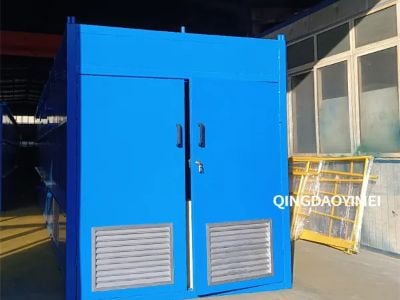
Wastewater clarifiers are essential components in the wastewater treatment process, designed to separate solids from treated water effectively. Understanding how wastewater clarifiers function can help purchasing managers, engineers, and product managers make informed decisions about their wastewater treatment system. This article will discuss how wastewater clarifiers improve treatment efficiency, key specifications for selection, top suppliers, quality evaluation methods, and common issues along with their solutions.
How Wastewater Clarifiers Improve Treatment Efficiency?
Wastewater clarifiers play a critical role in enhancing treatment efficiency by facilitating the sedimentation of solids. As wastewater flows through the clarifier, gravity pulls heavier solids down to the bottom, forming a sludge layer. This wastewater solutions allows for cleaner effluent to exit the clarifier, which can then be subjected to further treatment or discharged, depending on regulatory standards.
The design and operational parameters of the clarifier significantly influence its effectiveness. Factors such as the surface area, flow rate, and retention time must be optimized to ensure maximum solid separation. Advanced designs, like lamella clarifiers, utilize inclined plates to increase the surface area without requiring a larger footprint, thus improving the treatment process in space-constrained environments.
For buyers, understanding these mechanisms helps in selecting the right clarifier that meets specific treatment needs. The efficiency of a clarifier directly affects the overall treatment plant performance, making it essential to consider aspects like hydraulic loading and the type of solids being treated.
Key Specifications for Selecting Wastewater Clarifiers
When selecting a wastewater clarifier, several specifications should be evaluated to ensure optimal performance:
Flow Rate: This indicates the volume of wastewater that can be treated in a given time. It's crucial to match the flow rate with the plant's capacity and peak usage times.
Surface Area: A larger surface area allows for more solids to settle, enhancing the clarifier's efficiency. Consideration should be given to the design whether it’s a circular, rectangular, or inclined plate clarifier.
Retention Time: The time wastewater remains in the clarifier affects solid settling. Longer retention times can result in better separation but may require larger tanks.
Material Construction: The materials used (e. g., steel, concrete, or fiberglass) must withstand the chemical and mechanical stresses of the application. Corrosion resistance is especially important in wastewater environments.
Sludge Handling: The method of sludge removal (gravity, mechanical, or pneumatic) should be efficient to minimize downtime and maintenance needs.
Understanding these specifications will help buyers communicate their requirements effectively to suppliers and ensure they select a clarifier that fulfills their operational needs.
Top Suppliers for Wastewater Clarifiers
When sourcing wastewater clarifiers, it’s essential to evaluate suppliers based on their expertise, product range, and service capabilities. Some of the top suppliers in the industry include:
Qingdao Yimei Environment Project Co., Ltd.: With over 30 years of experience in designing and fabricating environmental protection equipment, Yimei offers a diverse range of clarifiers suitable for various applications. Their commitment to quality and customer service ensures reliable after-sales support.
When selecting a supplier, consider their industry experience, product offerings, and the availability of technical support and spare parts. This will ensure that you have reliable partners for your wastewater management needs.
Evaluating the Quality of Wastewater Clarifying Equipment
Quality evaluation of wastewater clarifiers involves examining several factors to ensure long-term operational efficiency:
Material Integrity: Inspect the materials used in construction for durability and resistance to corrosion and wear. Stainless steel and epoxy-coated components are often preferable.
Manufacturing Standards: Confirm that the equipment is manufactured in accordance with industry standards and certifications, such as ISO 9001 or equivalent, which ensure consistent quality.
Performance Testing: Request performance data and testing results from the manufacturer. This can include sedimentation tests and flow rate performance under varying conditions.
Maintenance Requirements: Evaluate the design for ease of maintenance. The wastewater treatment equipment that is difficult to access for cleaning or repairs can lead to increased operational costs and downtime.
Warranty and Support: A robust warranty and responsive customer service can be indicators of quality. Ensure that the supplier offers adequate support for installation and ongoing maintenance.
By focusing on these aspects, buyers can mitigate risks associated with equipment failure and ensure they invest in reliable wastewater clarification solutions.
Common Problems with Wastewater Clarifiers and Solutions
Despite their importance, wastewater clarifiers can face several common issues that can hinder performance:
Overloading: Excessive inflow can lead to poor solid separation. It's crucial to monitor flow rates and ensure that they remain within the specified range for the clarifier. Implementing a flow equalization tank can help manage fluctuations.
Sludge Bulking: This occurs when the sludge fails to settle properly, often due to the presence of filamentous bacteria. Regular monitoring of sludge characteristics and adjusting chemical dosing can help mitigate this issue.
Short-circuiting: This happens when wastewater flows through the clarifier too quickly, bypassing the settling zone. Careful design and flow distribution systems can be implemented to prevent this.
Corrosion: Corrosive substances in wastewater can damage clarifier materials. Selecting the appropriate construction materials and applying protective coatings can help prolong the life of the equipment.
Clogging: Accumulation of solids can obstruct flow and reduce efficiency. Regular maintenance and cleaning schedules should be established to avoid this issue.
By proactively addressing these common problems, operators can enhance the longevity and effectiveness of their wastewater clarifiers, ensuring optimal treatment performance.