 EN
EN
 AR
AR
 BG
BG
 CS
CS
 DA
DA
 NL
NL
 FI
FI
 FR
FR
 EL
EL
 HI
HI
 IT
IT
 JA
JA
 KO
KO
 NO
NO
 PL
PL
 PT
PT
 RO
RO
 RU
RU
 ES
ES
 TL
TL
 ID
ID
 UK
UK
 ET
ET
 TR
TR
 AF
AF
 GA
GA
 MK
MK
 BN
BN
 NE
NE
 KK
KK
 SU
SU
 UZ
UZ


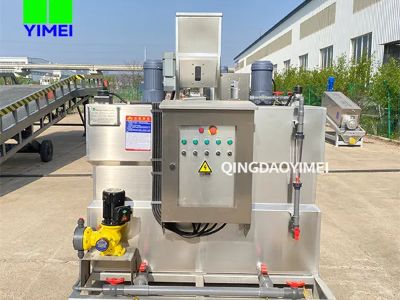
The Latest Trends in Compact Sludge Treatment Plant Systems are shaping the wastewater management industry, offering innovative solutions that enhance efficiency and sustainability. As purchasing managers and engineers seek to optimize their operations, understanding these trends is crucial. This article will delve into essential considerations when choosing compact sludge treatment systems, how to compare them for bulk orders, sourcing high-quality equipment, the cost factors involved, and the advantages of advanced materials used in these systems.
What to Consider When Choosing Compact Sludge Treatment Systems
When selecting a compact sludge treatment system and wastewater plants, buyers should consider several critical factors. Firstly, the system's capacity is paramount; it must meet the specific volume of wastewater generated by your facility without compromising performance. Additionally, understanding the treatment technology—such as biological, mechanical, or chemical processes—will help determine its suitability for your application.
Material selection also plays a significant role in the longevity and reliability of the equipment. Common materials include stainless steel and high-density polyethylene (HDPE), which resist corrosion and wear. It's essential to assess the environmental conditions the system will face, including temperature fluctuations and exposure to chemicals.
Lastly, consider the manufacturer's reputation and support services. A reliable supplier, like Qingdao Yimei Environment Project Co., Ltd., offers not only high-quality equipment but also technical support and spare parts accessibility, which are crucial for maintaining operational efficiency.
How to Compare Compact Sludge Treatment Systems for Bulk Orders
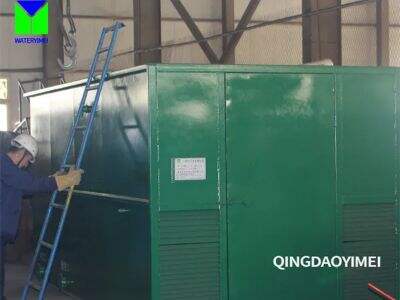
When comparing compact sludge treatment systems and waste wastewater treatment for bulk orders, it's vital to evaluate both technical specifications and pricing structures. Begin by examining the system’s performance metrics, including treatment efficiency, energy consumption, and maintenance requirements.
Next, inquire about the manufacturer's production capabilities and lead times. Understanding the minimum order quantity (MOQ) and whether the supplier can meet your project deadlines is essential for project planning. Additionally, consider the customization options available; some manufacturers might offer tailored solutions to meet unique operational needs, which can lead to long-term cost savings and improved performance.
Pricing is also a critical factor. Compare not only the initial costs but also the total cost of ownership, including installation, maintenance, and operational costs over time. Requesting detailed quotations that outline all these aspects will aid in making an informed decision.
Where to Source High-Quality Compact Sludge Treatment Equipment
Sourcing high-quality compact sludge treatment equipment requires careful consideration of suppliers. Start by researching manufacturers with a proven track record in the industry. Look for companies that have experience exporting to multiple countries, as they are more likely to adhere to international quality standards and regulations.
Trade shows and industry conferences can be excellent venues for meeting suppliers and assessing their products firsthand. Additionally, online platforms and industry publications often feature reviews and case studies that can provide insights into a manufacturer's reliability and product performance.
Once you have identified potential suppliers, evaluate their facilities and production processes if possible. Understanding their quality control measures and material sourcing can provide confidence in the equipment's durability and efficiency.
Cost Factors in Compact Sludge Treatment Plant Purchases
Several cost factors can influence the purchase of compact sludge treatment plants. The initial purchase price is often the most visible cost, but it’s essential to consider the total cost of ownership. This includes installation expenses, which can vary significantly depending on site conditions and the complexity of the system.
Maintenance costs are another critical factor. Systems that require frequent maintenance can lead to higher operational costs over time. Therefore, selecting equipment with proven reliability and ease of maintenance can yield significant savings.
Energy efficiency is also a crucial consideration. Systems that consume less energy during operation not only reduce utility bills but may also qualify for rebates or incentives, further offsetting costs.
Lastly, consider the costs associated with downtime during installation or maintenance. Choosing a reputable manufacturer with strong after-sales support, like Qingdao Yimei Environment Project Co., Ltd., can minimize these risks.
Advantages of Advanced Materials in Compact Sludge Treatment Equipment
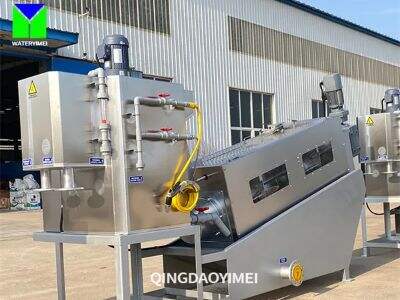
The use of advanced materials in compact sludge treatment equipment offers several advantages that can enhance performance and longevity. For instance, the use of corrosion-resistant alloys or high-density polyethylene can significantly extend the lifespan of equipment exposed to harsh chemicals or varying environmental conditions.
Advanced materials often provide better thermal and mechanical properties, allowing for improved performance under high pressure and temperature. This is particularly beneficial in regions with extreme weather conditions or in applications that require high thermal stability.
Moreover, lightweight materials can reduce transportation and installation costs, making it easier to handle and install the equipment. The choice of materials can also contribute to the sustainability of the project, as many advanced materials are recyclable and have lower environmental impacts compared to traditional options.
understanding the latest trends in compact sludge treatment plant systems is essential for making informed purchasing decisions. By considering system specifications, comparing suppliers, evaluating cost factors, and recognizing the benefits of advanced materials, B2B buyers can optimize their wastewater treatment processes for efficiency and sustainability.
Table of Contents
- What to Consider When Choosing Compact Sludge Treatment Systems
- How to Compare Compact Sludge Treatment Systems for Bulk Orders
- Where to Source High-Quality Compact Sludge Treatment Equipment
- Cost Factors in Compact Sludge Treatment Plant Purchases
- Advantages of Advanced Materials in Compact Sludge Treatment Equipment