 EN
EN
 AR
AR
 BG
BG
 CS
CS
 DA
DA
 NL
NL
 FI
FI
 FR
FR
 EL
EL
 HI
HI
 IT
IT
 JA
JA
 KO
KO
 NO
NO
 PL
PL
 PT
PT
 RO
RO
 RU
RU
 ES
ES
 TL
TL
 ID
ID
 UK
UK
 ET
ET
 TR
TR
 AF
AF
 GA
GA
 MK
MK
 BN
BN
 NE
NE
 KK
KK
 SU
SU
 UZ
UZ


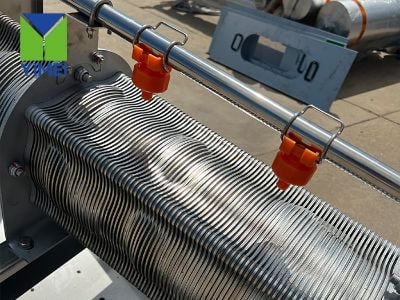
A screw dehydrator is an essential component in a sludge dewatering system, designed to efficiently separate water from sludge, thereby enhancing the overall treatment process. Understanding how a screw press dehydrator works within this system is crucial for purchasing managers, engineers, and other professionals involved in wastewater treatment. This article will explore the operational principles of screw dehydrators, their efficiency in sludge dewatering, design considerations for various needs, cost factors, installation guidance, and the importance of quality control during manufacturing.
How a Screw Dehydrator Enhances Sludge Dewatering Efficiency
Screw dehydrators operate based on the principle of mechanical dewatering, utilizing a screw conveyor system to move sludge through a series of screens and pressure zones. As the sludge is conveyed, water is expelled, leaving behind a more concentrated solid. This method is particularly effective for various types of sludge, including municipal, industrial, and agricultural waste.
One of the key advantages of screw dehydrators is their ability to achieve high dewatering efficiency with minimal energy consumption. The continuous operation ensures that the sludge is processed without significant downtime, which is essential for facilities with large volumes of wastewater. Additionally, the design minimizes the risk of clogging compared to traditional belt filter presses, enhancing operational reliability. For facilities focused on sustainability, screw dehydrator often have lower chemical requirements, further reducing operational costs and environmental impact.
Which Design Fits Your Needs?
Selecting the right screw dehydrator design depends on various factors, including sludge characteristics, desired moisture content of the output, and available space. Different designs may incorporate varying screw configurations, screen sizes, and materials, which can significantly affect performance.
For example, a single-screw design is typically suitable for lower volumes of sludge and offers simplicity in maintenance. In contrast, twin-screw designs may be necessary for larger volumes, providing increased throughput and enhanced dewatering capabilities. When deciding on a model, buyers should consider the specific characteristics of their sludge, such as viscosity and particle size, as these factors can influence the efficiency of the dewatering process.
Additionally, customization options may be available to tailor the dehydrator to meet specific needs. For instance, adjustments can be made to the screw pitch or length to optimize performance based on the sludge properties. It is advisable to work closely with the manufacturer to ensure the selected design aligns with the operational requirements of your facility.
Understanding the Cost Factors of Screw Dehydrators for Buyers
Several cost factors influence the overall pricing of screw dehydrators, including initial purchase cost, operational expenses, and maintenance considerations. The initial investment can vary significantly based on the size, design complexity, and material quality of the dehydrator.
Operational costs typically include energy consumption and any chemicals required for the sludge treatment process. Energy efficiency is a critical aspect; hence, investing in a model with lower energy requirements can lead to substantial savings over time. Moreover, buyers should assess the expected lifespan of the equipment and any potential costs associated with repairs and maintenance.
It's also essential to consider the total cost of ownership, which includes installation expenses and any modifications required to integrate the wastewater screw press into existing systems. When requesting quotations, it is beneficial to provide detailed information regarding sludge characteristics and volumetric flow rates to obtain accurate pricing and performance estimates.
Installation Guidance for Optimal Performance of Screw Dehydrators
Proper installation of a screw dehydrator is crucial for achieving optimal performance and longevity. Buyers should ensure that the installation location allows for adequate space to accommodate the equipment, along with access for maintenance and inspection.
Before installation, it is recommended to review the manufacturer's guidelines thoroughly, as each model may have specific requirements regarding foundation support, alignment, and connection to other system components. Proper alignment of the screw conveyor is critical to avoid premature wear and operational issues.
Additionally, buyers should consider the integration of necessary ancillary equipment, such as pumps and control systems, to enhance the overall functionality of the sludge dewatering setup. Ensuring that all connections are secure and leak-free will also contribute to operational efficiency and reduce the risk of unexpected downtime.
Examining the Quality Control in Screw Dehydrator Manufacturing
Quality control is a fundamental aspect of the manufacturing process for screw dehydrators. Established manufacturers, like Qingdao Yimei Environment Project Co., Ltd., implement rigorous quality assurance measures to ensure that each unit meets industry standards and customer specifications.
The quality control process typically includes material inspection, dimensional verification, and performance testing. Materials used in construction should be resistant to corrosion and wear, especially considering the harsh environments in which these machines operate. Prior to delivery, finished products are often subjected to performance tests that simulate operating conditions to validate their efficiency and reliability.
Buyers should inquire about the manufacturer's quality control procedures to understand how they ensure product consistency and performance. This can include certifications related to manufacturing practices and any testing protocols employed during production. A strong commitment to quality can significantly reduce the risk of operational failures and ensure that the equipment meets the specific demands of wastewater treatment applications.
By understanding the operational principles and purchasing considerations surrounding screw dehydrators, professionals involved in wastewater treatment can make informed decisions that enhance efficiency, reduce costs, and improve overall system performance.