 EN
EN
 AR
AR
 BG
BG
 CS
CS
 DA
DA
 NL
NL
 FI
FI
 FR
FR
 EL
EL
 HI
HI
 IT
IT
 JA
JA
 KO
KO
 NO
NO
 PL
PL
 PT
PT
 RO
RO
 RU
RU
 ES
ES
 TL
TL
 ID
ID
 UK
UK
 ET
ET
 TR
TR
 AF
AF
 GA
GA
 MK
MK
 BN
BN
 NE
NE
 KK
KK
 SU
SU
 UZ
UZ


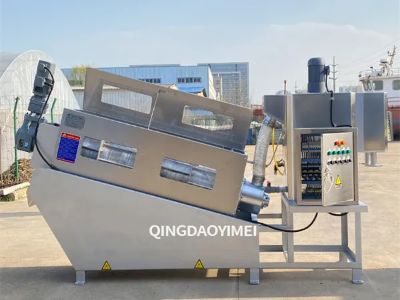
Understanding how sludge treatment plant design fits into the complete wastewater process is crucial for B2B buyers in the environmental and water treatment sectors. As purchasing managers, engineers, and product managers evaluate options for wastewater management, they need to consider the efficiency, reliability, and technical specifications of sludge treatment solutions. This article will provide insights into essential specifications, common challenges, installation tips, and industry applications to help buyers make informed decisions.
Key Specifications to Evaluate When Sourcing Sludge Treatment Plants
When sourcing sludge treatment plants, buyers should focus on several key specifications to ensure suitability for their applications.
Capacity: This is typically measured in cubic meters per hour (m³/h) and should align with the volume of sludge generated in the wastewater treatment process. A mismatch can lead to inefficiencies and operational issues.
Material Composition: The materials used in construction such as stainless steel, carbon steel, or specialized alloys should be chosen based on the chemical nature of the sludge being treated. For example, corrosive sludge may require more resistant materials to ensure longevity and reduce maintenance costs.
Design Configuration: Different treatment methods, such as anaerobic digestion, aerobic digestion, or mechanical dewatering, can affect design choices. Buyers should evaluate how the sludge treatment equipment method aligns with their overall wastewater management strategy.
Energy Efficiency: Energy consumption is a significant operating cost. Buyers should look for plants that use energy-efficient technologies, such as advanced aeration systems or low-energy pumps, to reduce ongoing costs.
Automation and Control Systems: Modern sludge treatment plants often come with automated systems for monitoring and control, enhancing operational efficiency. Buyers should assess the sludge wastewater treatment used and ensure compatibility with existing systems.
Compliance with Regulations: Depending on the region, there may be specific regulations regarding emissions and effluent quality. Buyers need to verify that the equipment meets local environmental standards.
Comparing Sludge Treatment Solutions for Effective Wastewater Management
Different sludge treatment solutions offer varied advantages, making comparison essential for effective wastewater management.
Mechanical Dewatering: This method typically utilizes centrifuges or belt presses to separate water from sludge. It’s effective for reducing sludge volume but may require significant energy input.
Biological Treatment: Anaerobic and aerobic digestion processes convert sludge into biogas and stabilized organic material. This method is environmentally friendly and can provide energy savings by generating usable biogas.
Thermal Treatment: Technologies such as incineration or pyrolysis can significantly reduce sludge mass and volume. However, these methods generally involve higher capital and operational costs.
Hybrid Solutions: Some plants combine multiple treatment technologies, offering flexibility and enhanced performance. These systems can be tailored to specific waste characteristics and operational needs.
When comparing solutions, consider factors like the total cost of ownership, maintenance requirements, and expected return on investment. Engaging with suppliers that provide detailed case studies or customer testimonials can also aid in the decision-making process.
Common Problems in Sludge Treatment and Their Practical Solutions
While designing and operating sludge treatment plants, several common issues may arise:
Odor Control: Unpleasant odors can emanate from sludge treatment processes, particularly during anaerobic digestion. Implementing effective ventilation systems and odor neutralizers can mitigate this issue.
Foaming: Excessive foaming can disrupt the treatment process, especially in aerobic systems. Regular monitoring and the addition of anti-foam agents can help control this problem.
Inconsistent Sludge Quality: Variability in sludge characteristics can complicate treatment. Regular testing and adjustment of treatment parameters based on real-time data can enhance consistency in output quality.
Equipment Wear and Tear: Components like pumps and mixers are subject to wear due to abrasive materials in sludge. Regular maintenance schedules and the use of high-quality materials can prolong equipment life.
Energy Consumption: High energy costs can arise from inefficient sludge treatment system. Investing in energy-efficient technologies and conducting regular energy audits can help identify areas for improvement.
By being aware of these common issues and their solutions, buyers can proactively address challenges and ensure smoother operations.
Installation Guidance for Efficient Sludge Treatment Plant Setup
An efficient installation process is crucial for the successful operation of sludge treatment plants. Here are key considerations:
Site Assessment: Before installation, conduct a thorough site assessment to evaluate space, accessibility, and environmental conditions. This will help determine the optimal layout and configuration.
Foundation Requirements: Ensure the foundation meets the structural loads of the equipment. This is particularly important for heavy machinery like centrifuges and digesters.
Utility Connections: Plan for adequate connections to water, electricity, and waste disposal systems. Coordination with local authorities may be necessary to comply with regulations.
Testing and Calibration: After installation, conduct comprehensive testing to ensure all systems function properly. Calibration of sensors and controls is critical to achieving the desired performance.
Operator Training: Provide training for plant operators to familiarize them with the equipment and processes. This can improve efficiency and reduce the likelihood of operational errors.
Following these guidelines can streamline the installation process and prepare the facility for optimal performance.
Applications of Sludge Treatment Plants in Various Industries
Sludge treatment plants find applications across various industries, each with unique requirements:
Municipal Wastewater Treatment: These plants are essential for treating sewage and industrial wastewater to reduce environmental impact and comply with discharge standards.
Food and Beverage Industry: Waste generated in this sector often contains high organic loads, necessitating specialized sludge treatment processes to manage byproducts effectively.
Pulp and Paper Industry: The treatment of sludge from this industry requires careful handling due to chemicals used in production. Advanced treatment systems can ensure safe disposal.
Pharmaceuticals: Facilities in this sector generate complex waste streams. Sludge treatment plants must be designed to handle hazardous materials while ensuring compliance with stringent regulations.
Chemical Manufacturing: Sludge from chemical processes often contains toxic substances. Specialized treatment technologies are required to neutralize and dispose of hazardous sludge safely.
Understanding these applications helps buyers select the right sludge treatment technology tailored to their industry needs, ensuring compliance and operational efficiency.
By focusing on these critical aspects of sludge treatment plant design and operation, B2B buyers can make informed decisions that align with their wastewater management goals.
Table of Contents
- Key Specifications to Evaluate When Sourcing Sludge Treatment Plants
- Comparing Sludge Treatment Solutions for Effective Wastewater Management
- Common Problems in Sludge Treatment and Their Practical Solutions
- Installation Guidance for Efficient Sludge Treatment Plant Setup
- Applications of Sludge Treatment Plants in Various Industries