 EN
EN
 AR
AR
 BG
BG
 CS
CS
 DA
DA
 NL
NL
 FI
FI
 FR
FR
 EL
EL
 HI
HI
 IT
IT
 JA
JA
 KO
KO
 NO
NO
 PL
PL
 PT
PT
 RO
RO
 RU
RU
 ES
ES
 TL
TL
 ID
ID
 UK
UK
 ET
ET
 TR
TR
 AF
AF
 GA
GA
 MK
MK
 BN
BN
 NE
NE
 KK
KK
 SU
SU
 UZ
UZ


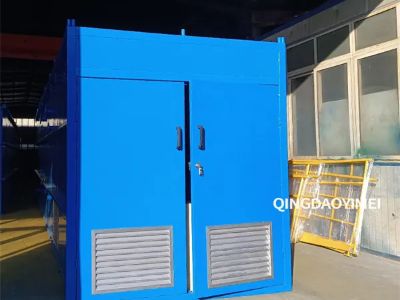
The increasing complexity of integrated wastewater management systems has made digital monitoring an essential component for ensuring efficiency, compliance, and environmental responsibility. The Role of Digital Monitoring in Integrated Wastewater Management is crucial for businesses seeking to optimize their operations while complying with regulations. This article will address key concerns for B2B buyers, including selecting the right equipment and understanding the cost implications, while providing actionable insights to enhance decision-making processes.
How to Choose Reliable Suppliers for Wastewater Treatment Equipment?
Selecting a reliable supplier for wastewater treatment equipment is a critical decision that can impact the effectiveness of your operations. When evaluating suppliers, consider their experience, product range, and after-sales support. Look for companies with a proven track record in manufacturing high-quality equipment tailored to specific industry needs. For instance, Qingdao Yimei Environment Project Co., Ltd. has been in the industry since 1988, providing over 130 types of machinery designed for various wastewater treatment system applications.
Additionally, assess the supplier’s capacity for customization. Reliable suppliers should be able to tailor their solutions to meet unique operational requirements, such as specific chemical resistance or system integration capabilities. It is also wise to verify the supplier’s commitment to quality control processes and certifications, ensuring that their products meet relevant industry standards.
Finally, consider the supplier's geographic presence and support network. A supplier with branches in key regions can provide timely access to spare parts and technical support, reducing potential downtime.
Key Specifications to Consider in Wastewater Treatment Systems
When selecting wastewater treatment systems, several key specifications should guide your decision. These include:
Flow Rate: This refers to the volume of wastewater that the system can handle per unit of time. Ensuring the flow rate aligns with your operational needs is vital for maintaining efficiency.
Treatment Technology: Different technologies (e. g., biological, chemical, or physical treatment) serve various applications. Understanding the most suitable technology for your wastewater type is crucial for effective treatment.
Material Construction: The materials used in fabrication impact the system's durability and resistance to corrosion and chemical exposure. For instance, stainless steel or high-quality polymers may be necessary for aggressive wastewater environments.
Control Systems: Advanced digital monitoring systems should integrate seamlessly with your existing infrastructure, allowing for real-time data analysis and remote monitoring capabilities. This technology enhances operational insights and aids in compliance management.
Maintenance Requirements: Understand the maintenance demands of the systems you are considering. Systems with automated monitoring can reduce manual checks, but regular maintenance is still necessary for optimal performance.
By considering these specifications, buyers can ensure that the wastewater treatment system meets both operational and regulatory requirements.
Understanding the Cost Factors in Digital Monitoring Solutions
The cost of digital monitoring solutions in wastewater management can vary widely based on several factors. Firstly, the complexity of the monitoring system plays a significant role; advanced systems with multi-sensor capabilities and data analytics features are typically more expensive than basic models.
Secondly, consider the integration costs with existing infrastructure. If your facility already has monitoring systems in place, compatibility and integration costs may arise, affecting the overall budget. Additionally, training staff to effectively utilize these digital tools can incur additional expenses.
Another critical factor is ongoing operational costs, including software updates, maintenance of monitoring equipment, and data storage wastewater solutions. It’s vital to assess the total cost of ownership over the system's lifecycle rather than just the initial purchase price.
Lastly, evaluate potential savings through operational efficiencies. Effective digital monitoring can lead to reduced energy consumption and optimized resource use, translating into long-term cost savings.
Common Problems in Wastewater Management and Effective Solutions
Wastewater management is fraught with challenges that can hinder operational efficiency. Common problems include equipment failures, compliance issues, and inefficiencies in treatment processes.
Equipment failures are often linked to inadequate maintenance or outdated technology. Implementing a digital monitoring solution can provide real-time alerts and diagnostics, enabling proactive maintenance and reducing downtime.
Compliance issues frequently arise from insufficient monitoring of effluent quality. Digital monitoring systems can automate compliance reporting, ensuring that all discharges meet regulatory standards without the need for extensive manual checks.
Inefficiencies in treatment processes may stem from improper system design or outdated treatment methods. Conducting a thorough assessment of your existing systems, combined with the insights provided by digital monitoring, can help identify areas for improvement and inform necessary upgrades.
By addressing these common problems with effective solutions, companies can enhance their wastewater management practices and maintain compliance with environmental regulations.
Exploring Applications of Digital Monitoring in Industrial Wastewater Management
Digital monitoring has transformed how industries manage wastewater, offering applications across various sectors. In manufacturing, for instance, real-time monitoring of wastewater characteristics such as pH levels, turbidity, and chemical concentrations enables immediate adjustments to treatment processes, enhancing efficiency and compliance.
In the food and beverage industry, digital monitoring is vital for managing the high organic load typical of wastewater. The wastewater treatment equipment equipped with sophisticated sensors can optimize treatment processes, ensuring that effluent discharged meets stringent health and safety regulations.
Moreover, in the petrochemical sector, digital monitoring can detect leaks or spills early, mitigating environmental impacts. Advanced analytics can also predict potential failures in treatment systems, allowing for timely interventions.
Furthermore, digital monitoring facilitates data-driven decision-making by providing managers with actionable insights into system performance and operational efficiency. This not only enhances compliance with environmental regulations but also promotes sustainable practices within the industry.
In summary, understanding the role of digital monitoring in integrated wastewater management helps businesses optimize their operations, reduce costs, and ensure compliance while contributing to environmental sustainability. By focusing on reliable suppliers, key specifications, cost factors, common challenges, and practical applications, companies can make informed decisions that enhance their wastewater management strategies.
Table of Contents
- How to Choose Reliable Suppliers for Wastewater Treatment Equipment?
- Key Specifications to Consider in Wastewater Treatment Systems
- Understanding the Cost Factors in Digital Monitoring Solutions
- Common Problems in Wastewater Management and Effective Solutions
- Exploring Applications of Digital Monitoring in Industrial Wastewater Management