 EN
EN
 AR
AR
 BG
BG
 CS
CS
 DA
DA
 NL
NL
 FI
FI
 FR
FR
 EL
EL
 HI
HI
 IT
IT
 JA
JA
 KO
KO
 NO
NO
 PL
PL
 PT
PT
 RO
RO
 RU
RU
 ES
ES
 TL
TL
 ID
ID
 UK
UK
 ET
ET
 TR
TR
 AF
AF
 GA
GA
 MK
MK
 BN
BN
 NE
NE
 KK
KK
 SU
SU
 UZ
UZ


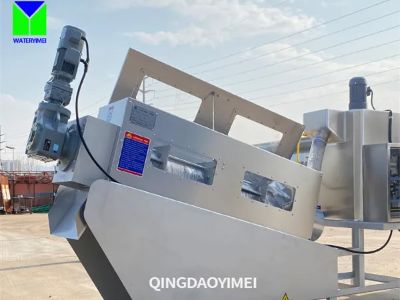
A modern sludge treatment plant is essential in managing wastewater and producing environmentally friendly outputs. Understanding the processes involved in such facilities can help B2B buyers, including purchasing managers and engineers, make informed decisions when selecting equipment. This article addresses key buyer concerns regarding the processes included in a modern sludge treatment plant, providing insights into supplier selection, sludge treatment equipment specifications, quality evaluation, installation guidance, and distributor identification.
How to Choose Reliable Suppliers for Sludge Treatment Equipment?
Selecting a reliable supplier for sludge treatment equipment is crucial for the success of your wastewater management projects. Start by researching suppliers with a proven track record in the industry, such as those with over 30 years of experience, like Qingdao Yimei Environment Project Co., Ltd., which specializes in designing and fabricating environmental protection equipment. Look for suppliers who offer a wide range of products, ensuring they have experience in the specific sludge treatment processes you require.
In addition to experience, check for customer testimonials and case studies that demonstrate the supplier’s ability to deliver effective solutions. Certification from recognized industry standards can also indicate a commitment to quality and reliability. Request details about after-sales service, as ongoing support can be critical in maintaining the efficiency of your sludge treatment system. Ensure the supplier can provide easy access to spare parts to minimize downtime in case of equipment failure.
Comparing Specifications of Sludge Treatment Solutions for Buyers
When evaluating sludge treatment solutions, focus on key specifications that can significantly affect performance. Important factors include the type of treatment process such as anaerobic digestion, aerobic treatment, or mechanical dewatering each of which has its operational and maintenance implications.
Material selection is another critical aspect. Equipment components should be made from corrosion-resistant materials like stainless steel or specialized polymers to withstand harsh operating conditions. Additionally, consider the capacity and footprint of the equipment, which should align with your facility's layout and the expected inflow of sludge.
Another specification to compare is energy efficiency. Look for systems designed to minimize energy consumption while maximizing treatment output. An efficient system can lead to significant cost savings over time. Review the technical parameters like flow rates, solids removal efficiency, and the ability to handle variable sludge characteristics, as these will directly influence the operational effectiveness of the plant.
Evaluating the Quality of Sludge Treatment Machinery Before Purchase
Before finalizing a purchase, it’s essential to evaluate the quality of the sludge treatment machinery. Start by requesting product samples or performance data to assess how the equipment performs under various conditions. An essential step is to conduct a thorough quality inspection, which should include a review of the manufacturing processes employed by the supplier. Reliable manufacturers typically adhere to strict quality control processes to ensure consistent product performance.
Check for any industry-specific certifications that demonstrate compliance with relevant standards. This can include ISO certifications or environmental compliance marks. Additionally, inquire about the supplier's testing protocols to see if they conduct performance evaluations under real-world conditions.
It’s advisable to visit the manufacturing facility if possible. Observing the production environment can provide insights into the supplier's capabilities and commitment to quality. Look for signs of advanced manufacturing techniques and the availability of skilled personnel, as these factors contribute to the overall reliability of the equipment.
Installation Guidance for Modern Sludge Treatment Systems
Proper installation of sludge treatment systems is vital for optimal performance. Begin by reviewing the installation manual provided by the manufacturer, which should detail the steps required for setup. It's important to ensure that the installation team understands the specific requirements of the equipment, including electrical and plumbing connections.
Consider the space requirements and layout of your facility, as this will affect how the equipment is positioned. The installation should allow for adequate access for maintenance and operation. If possible, work with the supplier to have a technician on-site during installation to address any issues that may arise.
Training for your operational staff should also be included in the installation process. Proper training ensures that personnel are familiar with the equipment’s features and can conduct routine maintenance effectively. This can help prevent operational disruptions and extend the equipment's lifespan.
Where to Find Trusted Distributors of Sludge Treatment Technology?
Finding trusted distributors for sludge treatment technology can streamline your purchasing process. Start by checking industry directories or trade organizations that list reputable suppliers. Attending industry trade shows and exhibitions can also provide opportunities to meet potential distributors face-to-face, allowing you to evaluate their offerings and expertise.
Online reviews and industry forums can serve as valuable resources to gauge the reliability and reputation of distributors. Look for feedback from other customers regarding their experiences with product performance, delivery times, and after-sales support.
Once you identify potential distributors, engage them in discussions about your specific needs. A knowledgeable distributor should be able to provide tailored solutions and insights into the latest technology trends in sludge treatment plant. This collaboration can lead to a more informed purchasing decision and ensure that you select equipment that best meets your operational requirements.
Table of Contents
- How to Choose Reliable Suppliers for Sludge Treatment Equipment?
- Comparing Specifications of Sludge Treatment Solutions for Buyers
- Evaluating the Quality of Sludge Treatment Machinery Before Purchase
- Installation Guidance for Modern Sludge Treatment Systems
- Where to Find Trusted Distributors of Sludge Treatment Technology?