 EN
 AR
 BG
 CS
 DA
 NL
 FI
 FR
 EL
 HI
 IT
 JA
 KO
 NO
 PL
 PT
 RO
 RU
 ES
 TL
 ID
 UK
 ET
 TR
 AF
 GA
 MK
 BN
 NE
 KK
 SU
 UZ


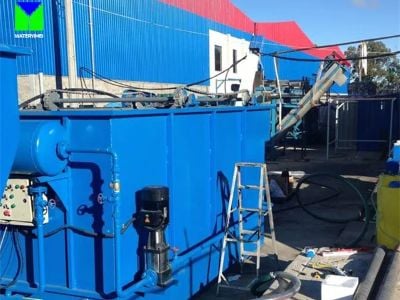
Understanding the performance metrics used to evaluate a water sewage plant is vital for purchasing managers and operators in the wastewater treatment industry. These metrics not only help in assessing the operational efficiency and reliability of treatment facilities but also ensure compliance with environmental standards. This article will explore the key performance indicators that inform decision-making, facilitate equipment evaluation, and ultimately support buyers in making informed choices about wastewater treatment solutions.
Understanding Key Performance Metrics for Water Sewage Plants
Performance metrics for water sewage plants are essential for evaluating their operational efficiency and effectiveness. Common metrics include:
Flow Rate: This is the volume of wastewater treated over a specific period. It indicates the plant's capacity and helps in determining whether it meets the demands of the area it serves.
BOD (Biochemical Oxygen Demand): This measurement indicates the amount of organic matter in the wastewater. Lower BOD levels post-treatment suggest effective microbial activity and a well-functioning sewage plant.
TSS (Total Suspended Solids): This metric measures the solids that remain suspended in water. A lower TSS indicates that the wastewater treatment process is effectively removing solid materials.
Nutrient Removal Rates: These metrics assess the efficiency of a plant in removing nitrogen and phosphorus, which are critical for preventing eutrophication in receiving waters.
Energy Consumption: Monitoring energy use relative to the volume of treated wastewater can help identify potential inefficiencies and opportunities for cost savings.
These metrics are critical not only for operational management but also for regulatory compliance and environmental impact assessments.
How to Evaluate Quality Metrics for Wastewater Treatment Equipment?
When evaluating wastewater treatment equipment, certain quality metrics should be prioritized:
Durability and Material Quality: High-quality materials such as stainless steel or corrosion-resistant alloys are crucial for long-term reliability. These materials withstand harsh operating conditions and extend the lifespan of the sewage treatment unit.
Capacity and Throughput: Understanding the equipment's designed capacity is essential. This involves confirming the manufacturer’s specifications against expected operational loads to ensure it meets the plant's demands.
Maintenance Requirements: Equipment that requires less frequent maintenance can significantly reduce operational downtime and labor costs. Buyers should look for equipment with straightforward maintenance protocols and readily available spare parts.
Certifications and Standards Compliance: Verify that the equipment meets industry standards and certifications, which can indicate reliability and safety. Look for compliance with ISO standards or local regulatory certifications.
Performance Testing Data: Request documentation of performance testing to verify that the equipment operates within specified parameters under real-world conditions.
By focusing on these metrics, buyers can select equipment that not only meets current needs but is also adaptable for future demands.
Essential Specifications for Reliable Water Sewage Plant Performance
Key specifications that impact the performance of a water sewage plant include:
Design and Configuration: The layout of the plant should optimize the flow of water through various treatment stages. A well-designed system minimizes bottlenecks and enhances overall efficiency.
Operational Parameters: Specifications such as temperature ranges, pressure ratings, and chemical compatibility are critical. Equipment must be able to operate effectively within the specific conditions of the wastewater being treated.
Automation and Monitoring Capabilities: Integrated monitoring systems that provide real-time data on performance metrics allow for better control and optimization of operations. Automation can also reduce labor costs and improve response times to operational issues.
Footprint and Installation Requirements: The physical space available for installation can limit options. Buyers should ensure that chosen equipment fits within the designated area while allowing for necessary operational access.
Energy Efficiency Ratings: Given the high energy demands of wastewater treatment processes, selecting sewage treatment equipment with high energy efficiency ratings can lead to significant cost savings over time.
Understanding these specifications will enable buyers to select equipment that aligns with operational needs and budget constraints.
Installation Guidelines for Optimal Water Sewage Plant Performance
Proper installation is critical to ensuring the long-term performance of wastewater treatment equipment. Consider the following guidelines:
Site Preparation: Ensure that the installation site is prepared according to the manufacturer's specifications. This includes proper leveling, drainage, and access routes for maintenance.
Qualified Installation Team: Engage experienced technicians who understand the nuances of wastewater treatment equipment installation. Their expertise can prevent common installation errors that could affect performance.
Compliance with Local Regulations: Ensure that the installation complies with local environmental regulations and building codes. This may involve obtaining necessary permits and inspections.
Testing and Commissioning: After installation, conduct thorough testing and commissioning to confirm that all systems operate correctly. This includes checking all connections, electrical systems, and control panels.
Training for Operators: Provide training for staff on the operation and maintenance of the new sewage treatment equipment. Proper training reduces the risk of operational errors and enhances overall efficiency.
Following these guidelines will help ensure that the equipment is installed correctly and operates at peak performance from the outset.
Common Problems in Sewage Plants and Effective Solutions to Address Them
Sewage plants often face common operational challenges, but understanding these problems and their solutions can enhance performance:
Inadequate Treatment Performance: This can result from equipment malfunction or incorrect operational parameters. Regular maintenance and performance monitoring can help identify issues early.
Clogging and Blockages: These are often caused by the accumulation of solids or grease. Implementing pre-treatment processes, such as screening, can help reduce the load on downstream equipment.
Chemical Imbalance: Variations in wastewater composition can lead to ineffective treatment. Regular sampling and analysis of influent water can help operators adjust chemical dosing to maintain optimal treatment conditions.
Energy Inefficiency: High energy consumption may indicate outdated equipment or operational inefficiencies. Upgrading to energy-efficient technologies and optimizing operational processes can lead to significant cost reductions.
Regulatory Compliance Issues: Non-compliance can lead to fines or operational shutdowns. Regular audits and adherence to performance metrics can ensure compliance with environmental regulations.
By being proactive about these common issues, operators can maintain efficient plant operations and minimize disruptions.
In summary, understanding the performance metrics used to evaluate a water sewage plant is crucial for effective management and decision-making. By focusing on quality metrics, essential specifications, installation practices, and common operational challenges, buyers can ensure they select the right equipment and maintain optimal performance in wastewater treatment operations.
Table of Contents
- Understanding Key Performance Metrics for Water Sewage Plants
- How to Evaluate Quality Metrics for Wastewater Treatment Equipment?
- Essential Specifications for Reliable Water Sewage Plant Performance
- Installation Guidelines for Optimal Water Sewage Plant Performance
- Common Problems in Sewage Plants and Effective Solutions to Address Them