 EN
EN
 AR
AR
 BG
BG
 CS
CS
 DA
DA
 NL
NL
 FI
FI
 FR
FR
 EL
EL
 HI
HI
 IT
IT
 JA
JA
 KO
KO
 NO
NO
 PL
PL
 PT
PT
 RO
RO
 RU
RU
 ES
ES
 TL
TL
 ID
ID
 UK
UK
 ET
ET
 TR
TR
 AF
AF
 GA
GA
 MK
MK
 BN
BN
 NE
NE
 KK
KK
 SU
SU
 UZ
UZ


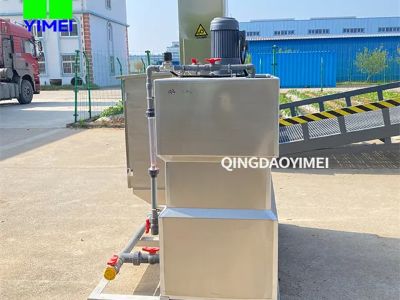
Integrated wastewater management solutions are essential for various industries aiming to efficiently handle their wastewater while ensuring environmental compliance. These systems not only reduce operational costs but also improve sustainability, making them a significant investment for businesses. This article will explore what industries benefit most from integrated wastewater management solutions, how to choose the right system, where to source quality equipment, common challenges faced, and installation guidance. By understanding these aspects, purchasing managers and project engineers can make informed decisions that align with their operational needs.
What Industries Benefit Most from Integrated Wastewater Management Solutions
Integrated waste wastewater treatment solutions are crucial across several industries, primarily those that generate significant amounts of wastewater. Key sectors include:
Manufacturing: Industries such as textiles, food processing, and chemicals often produce complex wastewater streams that require specialized treatment solutions to meet environmental regulations.
Construction: The construction industry generates wastewater from various activities, including concrete washing and site runoff. Integrated systems help manage these discharges effectively.
Food and Beverage: This sector is known for high organic loads in wastewater. Integrated solutions assist in treating these loads, ensuring compliance with discharge regulations and minimizing environmental impact.
Pharmaceuticals: Wastewater in this industry can contain hazardous substances, making effective treatment systems essential to protect public health and the environment.
Municipalities: Local governments often require integrated wastewater solutions to manage sewage and stormwater efficiently, ensuring community health and environmental safety.
By investing in integrated wastewater management solutions, these industries can enhance operational efficiency, reduce costs related to penalties for non-compliance, and improve their overall sustainability efforts.
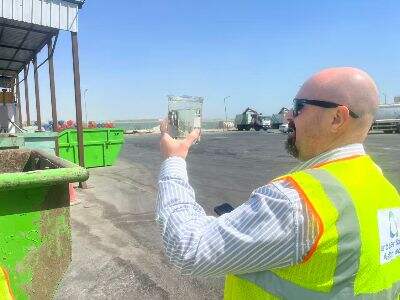
How to Choose the Right Wastewater Management System for Your Project
Selecting the appropriate wastewater management system involves several critical considerations:
Assess Wastewater Characteristics: Understand the composition of the wastewater, including its chemical makeup, volume, and any specific contaminants that need treatment. This assessment helps in determining the technology required.
Regulatory Compliance: Ensure that the chosen system adheres to local, state, and federal regulations concerning wastewater discharge. This often involves consulting with environmental experts or regulatory bodies.
Technology Options: Familiarize yourself with various treatment technologies, such as biological treatment, membrane filtration, and chemical dosing. Each technology has its advantages and limitations depending on the types of contaminants present.
Scalability and Flexibility: Consider future growth and operational changes. An ideal system should be scalable to accommodate increases in wastewater volume or changes in composition without requiring a complete overhaul.
Cost Factors: Evaluate both the upfront costs and long-term operational expenses, including maintenance, energy consumption, and any potential penalties for non-compliance. A thorough cost-benefit analysis can help identify the best value.
Supplier Reputation and Support: Look for suppliers with a proven track record in manufacturing and implementing wastewater treatment systems. Reliable after-sales support, including maintenance and spare parts availability, is crucial for long-term success.
By systematically evaluating these factors, companies can make informed decisions that align with their operational goals and regulatory requirements. 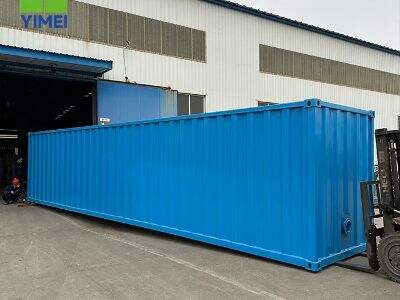
Where to Source Quality Wastewater Treatment Equipment for Your Needs
Sourcing quality wastewater treatment equipment requires a strategic approach to ensure reliability and compliance. Here are some considerations:
Established Manufacturers: Partner with reputable manufacturers known for their expertise in wastewater treatment solutions. Look for companies like Qingdao Yimei Environment Project Co., Ltd., which have extensive experience in designing and fabricating advanced wastewater treatment systems.
Certifications and Standards: Verify that the equipment meets relevant industry certifications and standards, ensuring compliance with safety and environmental regulations.
Customization Capabilities: Assess whether the manufacturer can customize solutions based on specific project requirements. Customization might be necessary to address unique wastewater characteristics or operational constraints.
After-Sales Support: Ensure that the supplier offers robust after-sales support, including installation guidance, maintenance services, and easy access to spare parts. This support is vital for the ongoing performance of the sewage and sewerage treatmentsystem.
Customer Reviews and Case Studies: Investigate customer feedback and case studies to gauge the performance and reliability of the equipment over time. This can provide insight into the manufacturer’s track record.
Consultation Services: Some suppliers offer consultation services to help assess your specific needs. This can be beneficial in identifying the most suitable equipment and technology for your application.
By focusing on these sourcing strategies, businesses can procure equipment that ensures effective wastewater management while complying with regulatory standards.
Common Problems in Wastewater Management and Effective Solutions
Wastewater management can present several challenges that require proactive solutions:
Inconsistent Water Quality: Variability in wastewater quality can hinder treatment processes. Implementing real-time monitoring systems can help track water quality parameters and adjust treatment processes accordingly.
Equipment Failures: Mechanical failures can lead to costly downtime. Regular maintenance and inspections can prevent unexpected failures. Utilizing equipment with proven reliability can also mitigate risks.
Regulatory Non-Compliance: Failing to meet discharge standards can result in penalties. Businesses should conduct regular audits of their wastewater management systems and stay updated on changing regulations to ensure compliance.
Insufficient Treatment Capacity: As businesses grow, their wastewater output may increase beyond the capacity of existing systems. Planning for scalability when designing or selecting a treatment system is essential to accommodate future needs.
Operational Costs: High energy consumption and maintenance costs can impact overall project viability. Choosing energy-efficient equipment and optimizing operational practices can help reduce costs.
By addressing these common challenges with effective solutions, industries can enhance their wastewater management processes, ensuring reliability and compliance.
Installation Guidance for Integrated Wastewater Treatment Systems
Proper installation is critical for the effective operation of integrated wastewater treatment systems. Here are key considerations:
Site Assessment: Before installation, conduct a comprehensive site assessment to understand the specific environmental conditions and infrastructure. This includes evaluating soil types, drainage systems, and existing utilities.
System Design Review: Ensure that the system design aligns with the site conditions and regulatory requirements. Engage with engineers or consultants to verify that the installation plan meets all necessary specifications.
Qualified Installation Team: Utilize a qualified installation team with experience in wastewater treatment systems. Their expertise will ensure that the installation adheres to best practices and manufacturer guidelines.
Testing and Commissioning: After installation, conduct thorough testing to validate the system's performance. This includes checking for leaks, ensuring all components operate correctly, and verifying that the treatment processes function as intended.
Training for Staff: Provide training for operational staff on the system's functionality, maintenance requirements, and emergency procedures. Proper training ensures that the system is operated efficiently and maintained appropriately.
Documentation and Support: Maintain detailed documentation throughout the installation process, including technical drawings, operational manuals, and maintenance schedules. This documentation will be valuable for ongoing operations and future reference.
By following these guidelines, companies can facilitate a smooth installation process, setting the stage for effective wastewater management and compliance with environmental standards.
Table of Contents
- What Industries Benefit Most from Integrated Wastewater Management Solutions
- How to Choose the Right Wastewater Management System for Your Project
- Where to Source Quality Wastewater Treatment Equipment for Your Needs
- Common Problems in Wastewater Management and Effective Solutions
- Installation Guidance for Integrated Wastewater Treatment Systems