 EN
EN
 AR
AR
 BG
BG
 CS
CS
 DA
DA
 NL
NL
 FI
FI
 FR
FR
 EL
EL
 HI
HI
 IT
IT
 JA
JA
 KO
KO
 NO
NO
 PL
PL
 PT
PT
 RO
RO
 RU
RU
 ES
ES
 TL
TL
 ID
ID
 UK
UK
 ET
ET
 TR
TR
 AF
AF
 GA
GA
 MK
MK
 BN
BN
 NE
NE
 KK
KK
 SU
SU
 UZ
UZ


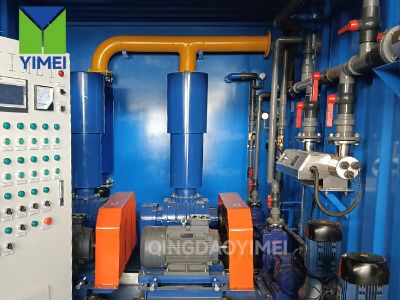
In the realm of environmental protection, integrated wastewater management plays a crucial role in effectively handling multiple wastewater sources. This approach ensures that various types of wastewater—whether from industrial, commercial, or residential sources—are treated appropriately before being released back into the ecosystem. For B2B buyers, such as purchasing managers and engineers, understanding how integrated wastewater management operates is essential. This article will explore key considerations in selecting equipment, evaluate quality standards, provide installation guidance, and address common challenges in wastewater management
Choosing the Right Equipment for Integrated Wastewater Management Solutions
Selecting the appropriate equipment for integrated wastewater management is vital for ensuring effective treatment across diverse wastewater sources. Key factors include the types of wastewater being processed, the required treatment levels, and the specific operational conditions of your facility
Start by evaluating the characteristics of the wastewater to determine the necessary treatment technology. For instance, municipal wastewater may require different processing methods compared to industrial effluents, which could contain higher levels of contaminants. Consider technologies such as biological treatment systems, membrane filtration, or chemical dosing, depending on the contaminants present
In addition to treatment methods, assess the equipment's capacity and scalability. Given that wastewater flows can vary significantly, selecting equipment that can accommodate fluctuations in volume is essential. It's also wise to consider the ease of integration with existing systems, ensuring compatibility with current infrastructure and minimizing disruptions during installation
Lastly, manufacturers like Qingdao Yimei Environment Project Co., Ltd. offer a wide range of advanced equipment tailored to meet these varying needs, with a focus on reliability and efficiency

Key Considerations for Wastewater Treatment Equipment
When procuring wastewater treatment equipment, several key considerations must be taken into account. These include material selection, technology compatibility, operational efficiency, and regulatory compliance
Material Selection: The materials used in construction directly affect the equipment's durability and performance. Corrosive environments may require specialized materials such as stainless steel or coated surfaces. Assess how the equipment will be exposed to different wastewater types, as this impacts longevity and maintenance needs
Technology Compatibility: Ensure that the chosen technology aligns with your specific treatment goals. This may involve understanding the limits of various treatment methods, such as aerobic vs. anaerobic processes, and their suitability for your wastewater characteristics
Operational Efficiency: Consider energy consumption and operational costs when evaluating equipment. Energy-efficient systems not only reduce operational costs but also contribute to sustainability goals. Assess any available performance metrics, such as energy use per treated volume of wastewater
Regulatory Compliance: Ensure that the equipment meets local and international regulations governing wastewater treatment. Non-compliance can lead to significant fines and environmental harm. Familiarize yourself with the relevant standards and how the chosen equipment aligns with them
Evaluating Quality Standards in Integrated Wastewater Management Systems
Quality standards are crucial in integrated wastewater management systems, ensuring that the equipment performs reliably and meets treatment objectives. Buyers should look for certifications that demonstrate compliance with industry standards, such as ISO 9001 for quality management systems
Furthermore, evaluate the quality control processes employed by the manufacturer. This includes inspections during the fabrication stage and thorough testing of equipment performance before delivery. A detailed report on testing results, including parameters such as flow rates, contaminant removal efficiencies, and failure rates, can provide valuable insights into the equipment’s reliability
Additionally, consider the manufacturer's track record in terms of after-sales service and support. Companies with strong reputations in customer service often provide better long-term value, helping to avoid operational downtime due to equipment failure
Finally, it’s advisable to review case studies or testimonials from previous clients to gauge the effectiveness of the equipment in real-world applications. This feedback can be instrumental in assessing how well the equipment meets the expected quality standards
Installation Guidance for Integrated Wastewater Treatment Systems
Proper installation of integrated wastewater treatment systems is critical for their long-term success and efficiency. Begin by conducting a thorough site assessment to identify any site-specific challenges that may affect installation. Factors such as available space, existing infrastructure, and local regulations should all be considered
Next, develop a detailed installation plan that includes timelines, resource allocations, and personnel responsibilities. Ensure that all stakeholders are informed and engaged throughout the process to mitigate potential communication issues
Training for operational staff is equally important. Providing comprehensive training on the equipment’s operation, maintenance, and troubleshooting can significantly reduce the risk of operational errors and enhance system performance. This training should ideally be conducted by the equipment manufacturer or an experienced technician familiar with the specific systems being installed
Finally, it's essential to schedule regular follow-up inspections post-installation. This can help to identify any early issues and ensure that the system operates as intended
Common Problems in Wastewater Management and Effective Solutions
Integrated wastewater management systems can encounter various challenges, but understanding these common issues can help in developing effective solutions. Some frequent problems include equipment failures, operational inefficiencies, and regulatory non-compliance
Equipment Failures: Regular maintenance and monitoring are key to preventing unexpected breakdowns. Implement a preventive maintenance schedule that includes routine inspections, cleaning, and replacement of worn-out parts. Using high-quality components can also reduce the likelihood of failures
Operational Inefficiencies: Regularly review operational data to identify trends that may indicate inefficiencies. For example, if energy consumption is rising without a corresponding increase in treated volume, it may signal that equipment needs recalibration or that a component is underperforming
Regulatory Non-Compliance: Staying informed about changes in regulations is crucial for maintaining compliance. Regular audits and performance reporting can help ensure that the system consistently meets regulatory requirements. Consulting with environmental experts can provide additional assurance that your system is aligned with current standards
In summary, engaging with a knowledgeable manufacturer like Qingdao Yimei Environment Project Co., Ltd. can provide the support needed to navigate these challenges effectively, ensuring a reliable and compliant integrated wastewater management solution
Table of Contents
- Choosing the Right Equipment for Integrated Wastewater Management Solutions
- Key Considerations for Wastewater Treatment Equipment
- Evaluating Quality Standards in Integrated Wastewater Management Systems
- Installation Guidance for Integrated Wastewater Treatment Systems
- Common Problems in Wastewater Management and Effective Solutions