 EN
EN
 AR
AR
 BG
BG
 CS
CS
 DA
DA
 NL
NL
 FI
FI
 FR
FR
 EL
EL
 HI
HI
 IT
IT
 JA
JA
 KO
KO
 NO
NO
 PL
PL
 PT
PT
 RO
RO
 RU
RU
 ES
ES
 TL
TL
 ID
ID
 UK
UK
 ET
ET
 TR
TR
 AF
AF
 GA
GA
 MK
MK
 BN
BN
 NE
NE
 KK
KK
 SU
SU
 UZ
UZ


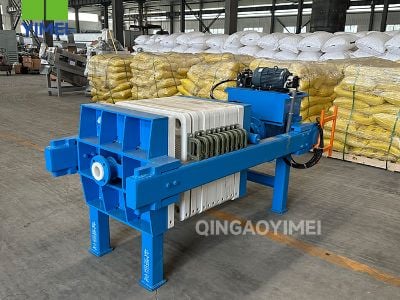
A sludge press machine is a crucial piece of equipment used in wastewater treatment facilities to separate water from waste sludge. Understanding how a sludge press machine separates water from waste sludge is vital for purchasing managers and engineers who seek efficient and reliable solutions for their operations. This article will delve into the critical specifications to consider when selecting a sludge press machine, the wholesale options available, its features and benefits, installation guidance for optimal performance, and investment insights to guide your purchasing decision
Key Specifications to Consider When Choosing a Sludge Press Machine
When evaluating sludge press machines, several key specifications should be considered to ensure the equipment meets operational needs. First, the capacity of the machine, typically measured in cubic meters per hour, is crucial. This determines how much sludge can be processed, directly affecting throughput in treatment plants
Another important specification is the dewatering rate, which indicates how efficiently the machine can separate water from sludge. Machines with higher dewatering rates can significantly reduce operational costs by minimizing the volume of material that requires disposal
Material construction is also vital; machines should be made from robust materials that resist corrosion and wear, especially when handling aggressive chemicals. For example, stainless steel is often preferred due to its durability and resistance to rust
Finally, consider the filtration technology used in the press. Different technologies, such as membrane filtration or belt filter presses, offer varying levels of efficiency and maintenance requirements. Understanding the pros and cons of each can help buyers identify the best fit for their application
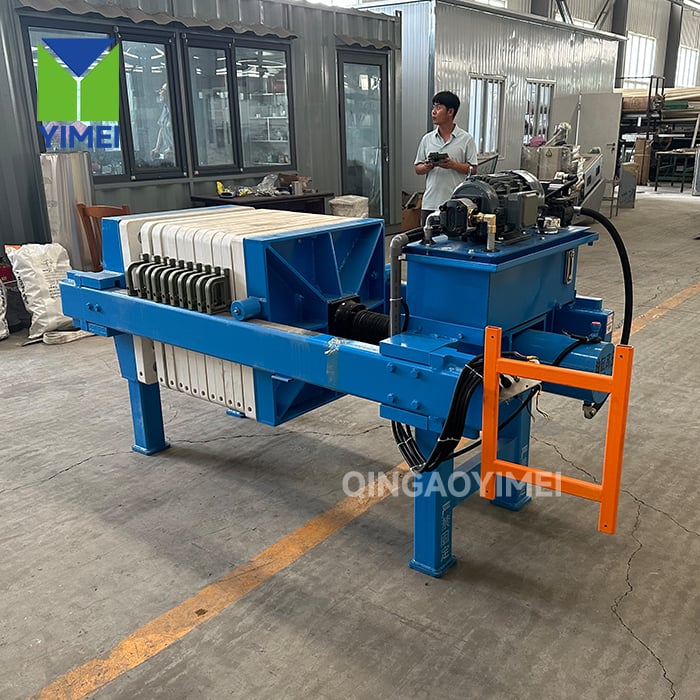
Wholesale Options for High-Quality Sludge Press Machines Available
For businesses looking to purchase sludge press machines, wholesale options can provide substantial cost savings. Qingdao Yimei Environment Project Co., Ltd. specializes in manufacturing a wide range of sludge press machines that cater to different industrial needs. By opting for wholesale purchases, companies can benefit from lower per-unit costs, which is particularly advantageous for large-scale operations or projects requiring multiple units
It’s essential to verify the supplier’s ability to provide consistent quality and support. Inquire about their production capabilities, lead times, and availability of spare parts. Establishing a relationship with a reliable manufacturer ensures that you can obtain high-quality machines and timely service, which is crucial for maintaining operational efficiency
Features and Benefits Explained
Sludge press machines come with various features designed to enhance their performance and usability. One notable feature is automatic control systems, which allow for seamless operation and monitoring of the dewatering process. These systems can reduce labor costs and minimize human error, leading to a more efficient operation
Another advantage is the compact design of modern sludge presses, which can save valuable floor space in treatment facilities. This is particularly beneficial for companies with limited installation areas
Moreover, many machines are designed for easy maintenance, incorporating features such as self-cleaning filters and accessible components. This reduces downtime and maintenance costs, ensuring continuous operation
Additionally, energy efficiency is a crucial benefit in today’s environmentally-conscious market. Many sludge press machines are designed to minimize energy consumption, which not only lowers operating costs but also aligns with sustainability goals
Installation Guidance for Optimal Performance of Sludge Press Machines
Proper installation of a sludge press machine is fundamental to its performance. First, ensure that the installation site meets the machine's space and environmental requirements, including adequate drainage and access for maintenance
Before installation, it’s advisable to conduct a thorough site assessment to identify any potential challenges, such as existing infrastructure or space limitations. Collaborating with the manufacturer during this phase can help ensure that the machine is compatible with existing systems
Once the machine is installed, conducting a commissioning process is critical. This involves testing the equipment under actual operating conditions to verify its performance and make any necessary adjustments. Training staff on the machine’s operation and maintenance procedures can further enhance efficiency and longevity
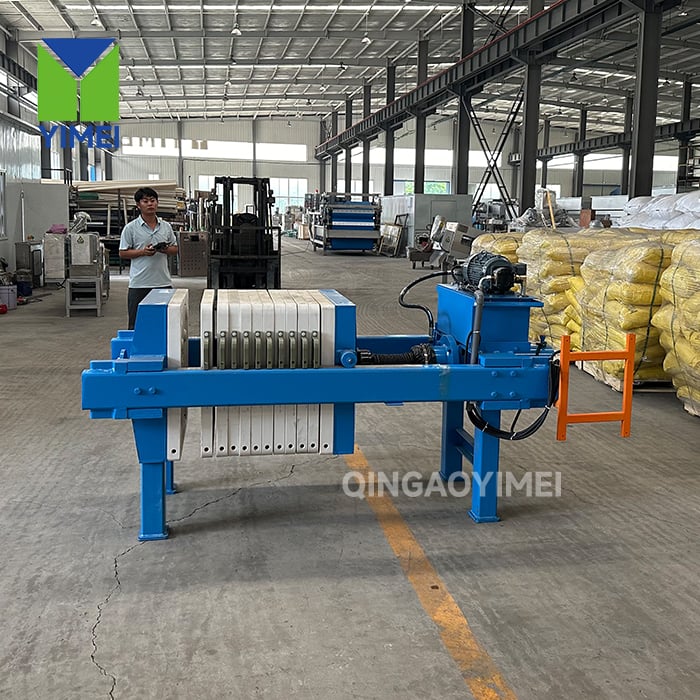
Sludge Press Machine Investment Insights
Investing in a sludge press machine requires careful consideration of several factors to ensure a beneficial return on investment. Total cost of ownership is an important metric that includes not only the initial purchase price but also ongoing operational costs, such as maintenance, energy consumption, and potential downtime
Before making a purchase, it’s wise to analyze the expected lifespan of the machine and its warranty conditions. A longer warranty may indicate higher quality and lower risk, while frequent breakdowns can lead to increased costs
Additionally, consider the customization options available. Many manufacturers, including Qingdao Yimei, offer tailored solutions to meet specific operational requirements. Customization can enhance the machine's performance in unique applications, providing better value in the long term
Understanding how a sludge press machine separates water from waste sludge is essential for making informed purchasing decisions. By considering the key specifications, exploring wholesale options, recognizing features and benefits, following proper installation guidance, and evaluating investment insights, buyers can select the optimal equipment for their wastewater treatment needs