 EN
EN
 AR
AR
 BG
BG
 CS
CS
 DA
DA
 NL
NL
 FI
FI
 FR
FR
 EL
EL
 HI
HI
 IT
IT
 JA
JA
 KO
KO
 NO
NO
 PL
PL
 PT
PT
 RO
RO
 RU
RU
 ES
ES
 TL
TL
 ID
ID
 UK
UK
 ET
ET
 TR
TR
 AF
AF
 GA
GA
 MK
MK
 BN
BN
 NE
NE
 KK
KK
 SU
SU
 UZ
UZ


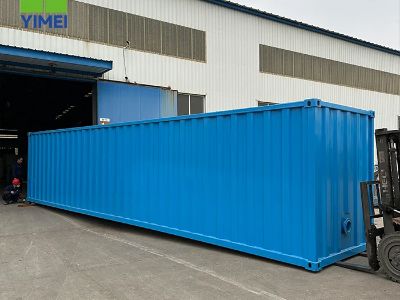
Understanding clarifier design is crucial for effective wastewater treatment across various sectors, particularly in municipal and industrial applications. The primary keyword, "Why Clarifier Design Changes Between Municipal and Industrial Wastewater," highlights a key area of concern for B2B buyers, purchasing managers, and engineers. This article will delve into the differences in clarifier design, specifications, and material considerations, equipping readers with the knowledge to make informed purchasing decisions for their wastewater projects.
Understanding Clarifier Design for Municipal vs. Industrial Wastewater
Clarifiers are integral components in wastewater treatment, designed to separate solids from liquids. The design of clarifiers varies significantly between municipal and industrial applications due to differences in wastewater composition, flow rates, and treatment objectives. Municipal wastewater typically contains organic matter, which requires biological treatment processes, while industrial wastewater may include various chemicals, heavy metals, and high concentrations of solids. For municipal systems, clarifiers are often designed for larger flow rates and may include features like weirs for overflow control and sludge hoppers for solids collection. In contrast, industrial lamella clarifier must be tailored to handle specific contaminants, which may require specialized materials and construction techniques to withstand harsh chemicals and varying temperatures. Understanding these distinctions is vital for selecting the appropriate clarifier for a given application.
Key Differences in Clarifier Specifications for Wastewater Applications
The specifications of clarifiers differ based on their intended applications. Key factors include dimensions, loading rates, and operational parameters. Municipal clarifiers generally have larger capacities, accommodating substantial volumes of wastewater. They often feature longer retention times to facilitate sedimentation and biological processes. In industrial applications, specifications may vary widely depending on the type of wastewater processed. For example, clarifiers might need to be equipped with enhanced features, such as rapid mixing zones, to ensure effective coagulation and flocculation of solids. Additionally, the design may incorporate advanced monitoring systems for real-time adjustments, which are less common in municipal systems. When evaluating clarifier specifications, buyers should verify the intended use and ensure that the design accommodates the specific flow rates and contaminant types present in their wastewater.
How to Choose the Right Clarifier for Your Wastewater Project?
Selecting the right clarifier involves several considerations. Buyers should assess the type of wastewater being treated, the required flow rate, and the space available for installation. It is essential to understand the operational demands of the clarifier, as some applications may require continuous operation, while others allow for batch processing. Buyers should also consider customization options. Many manufacturers offer adjustable features, such as variable depth or removable weirs, to enhance performance based on specific site conditions. Additionally, understanding the maintenance requirements is crucial; municipal clarifiers may have different upkeep needs compared to those used in industrial settings. Before making a purchasing decision, buyers should provide detailed information such as wastewater characteristics, desired treatment outcomes, and available site specifications. This will enable suppliers to recommend the most suitable clarifier design.
Cost Factors for Clarifier Design in Municipal and Industrial Uses
Cost is a critical factor when designing clarifiers for both municipal and industrial applications, but the considerations differ significantly. Municipal projects often operate within defined budget constraints set by public funding and regulatory requirements. As such, the design must balance cost-effectiveness with compliance to standards, which can limit customization options and advanced features. In industrial settings, cost considerations are often linked to the specific performance requirements and potential penalties for non-compliance with environmental regulations. Buyers may be willing to invest more in advanced clarifier designs that offer improved efficiency and lower long-term operational costs. Factors such as material selection, construction methods, and technology integration can significantly impact the overall cost of the inclined plate clarifier. When assessing costs, it's essential for buyers to compare not just the initial purchase price but the total cost of ownership, including maintenance, energy consumption, and potential downtime.
Material Considerations in Clarifier Design for Wastewater Applications
The material selection for clarifiers is influenced by their application. Municipal clarifiers are typically constructed from materials like concrete and steel, which offer durability and cost-effectiveness for large-scale installations. However, these materials may not always be suitable for industrial applications where chemical exposure is a concern. In industrial wastewater treatment, clarifiers may require specialized materials such as fiberglass-reinforced plastics or stainless steel to resist corrosion and chemical degradation. The choice of material directly impacts the lamella plate clarifier lifespan, maintenance needs, and overall effectiveness. Moreover, buyers should consider the environmental impact of the materials used. Many manufacturers are now focusing on sustainable materials that not only meet performance criteria but also align with eco-friendly practices. It's advisable for buyers to consult with manufacturers about the most appropriate materials for their specific wastewater conditions and treatment goals.
Table of Contents
- Understanding Clarifier Design for Municipal vs. Industrial Wastewater
- Key Differences in Clarifier Specifications for Wastewater Applications
- How to Choose the Right Clarifier for Your Wastewater Project?
- Cost Factors for Clarifier Design in Municipal and Industrial Uses
- Material Considerations in Clarifier Design for Wastewater Applications