EN
EN
 AR
AR
 BG
BG
 CS
CS
 DA
DA
 NL
NL
 FI
FI
 FR
FR
 EL
EL
 HI
HI
 IT
IT
 JA
JA
 KO
KO
 NO
NO
 PL
PL
 PT
PT
 RO
RO
 RU
RU
 ES
ES
 TL
TL
 ID
ID
 UK
UK
 ET
ET
 TR
TR
 AF
AF
 GA
GA
 MK
MK
 BN
BN
 NE
NE
 KK
KK
 SU
SU
 UZ
UZ

Wastewater Characteristics Laundry wastewater is mainly generated from fabric washing, rinsing, and equipment cleaning in hotels, hospitals, industrial laundries, commercial laundry facilities, and manufacturing plants. It typically contains hig...
Wastewater Characteristics
Laundry wastewater is mainly generated from fabric washing, rinsing, and equipment cleaning in hotels, hospitals, industrial laundries, commercial laundry facilities, and manufacturing plants. It typically contains high concentrations of detergents, surfactants, suspended solids, fats, oils and grease, fibers, dirt, and organic matter. The wastewater flow and quality may fluctuate depending on the type of laundry, washing frequency, and discharge schedule. Some laundry effluent may also exhibit alkalinity, high color, and excessive foaming. If discharged without proper treatment, it may adversely affect receiving water bodies and reduce the effectiveness of subsequent water reuse. Therefore, for Saudi Arabia’s hot and arid climate, where efficient water management is particularly important, a laundry wastewater treatment system should ensure stable pollutant removal, simplified operation and maintenance, and a higher treated water reuse rate.
Main Treatment Process
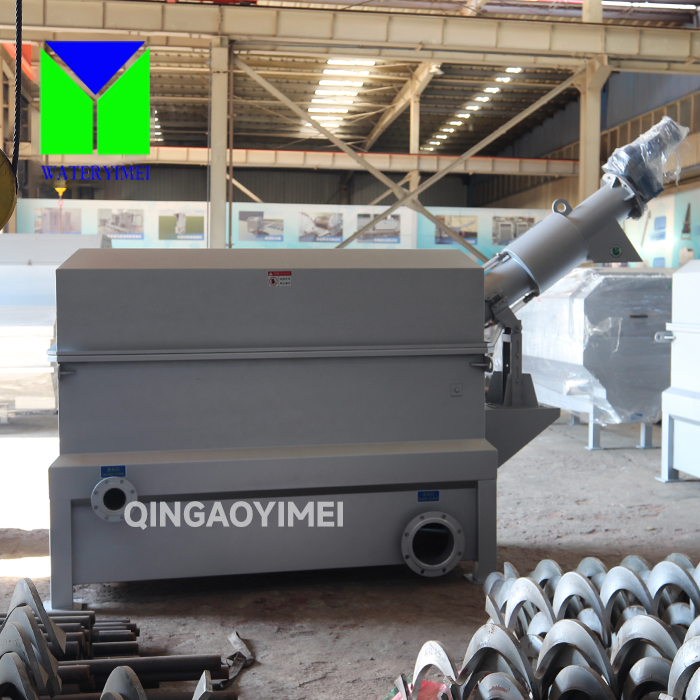
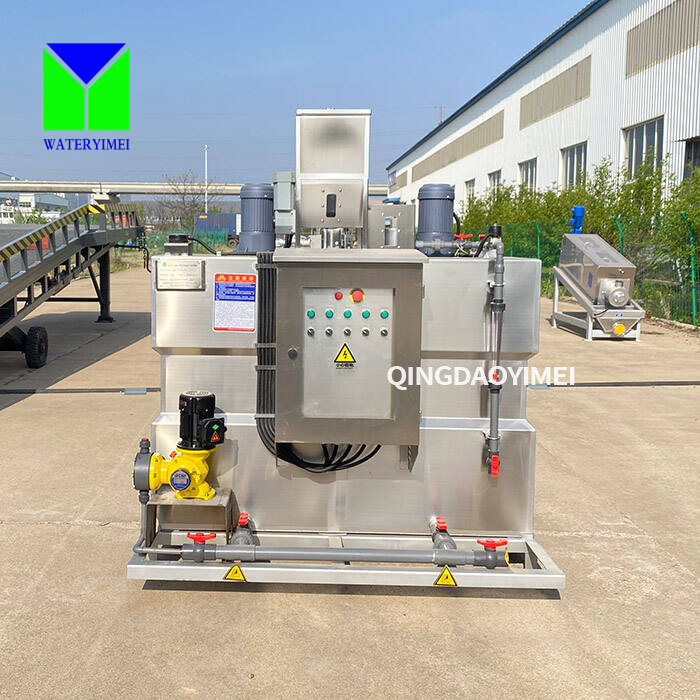
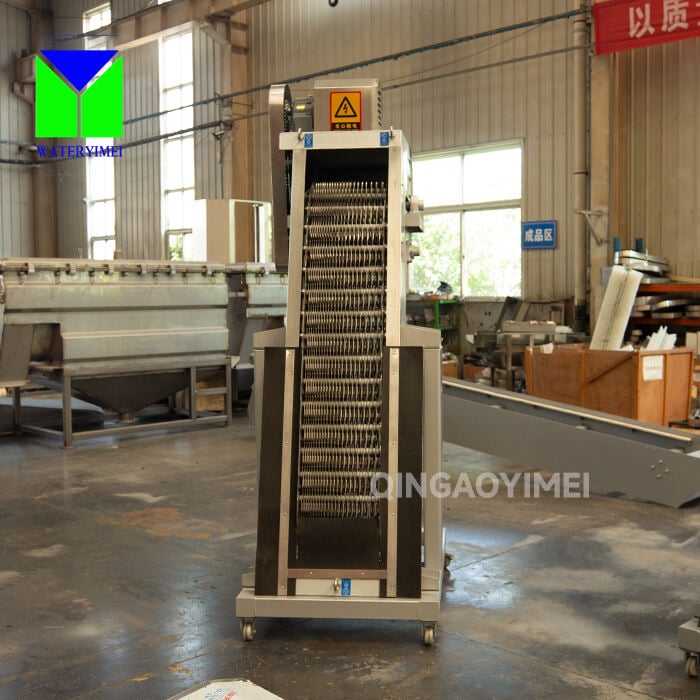
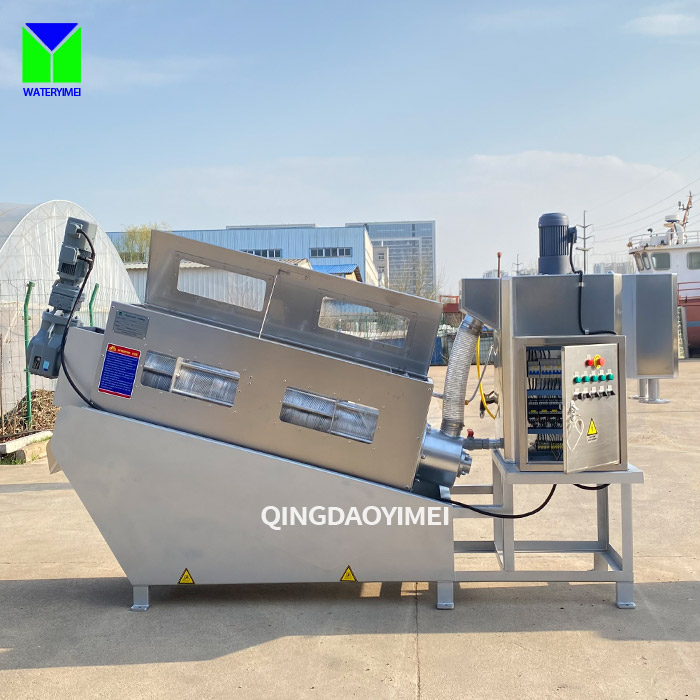
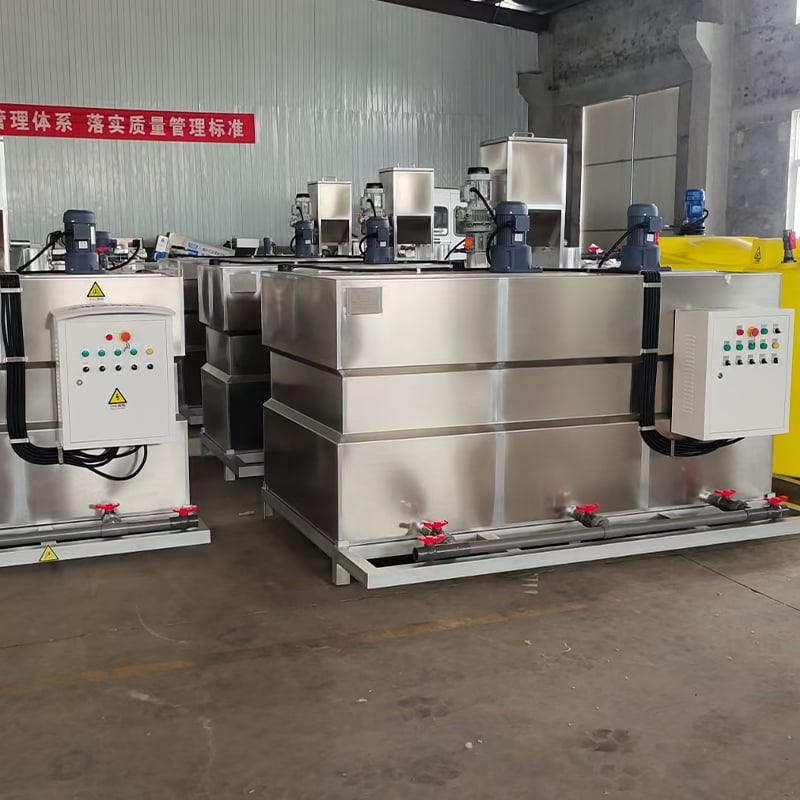
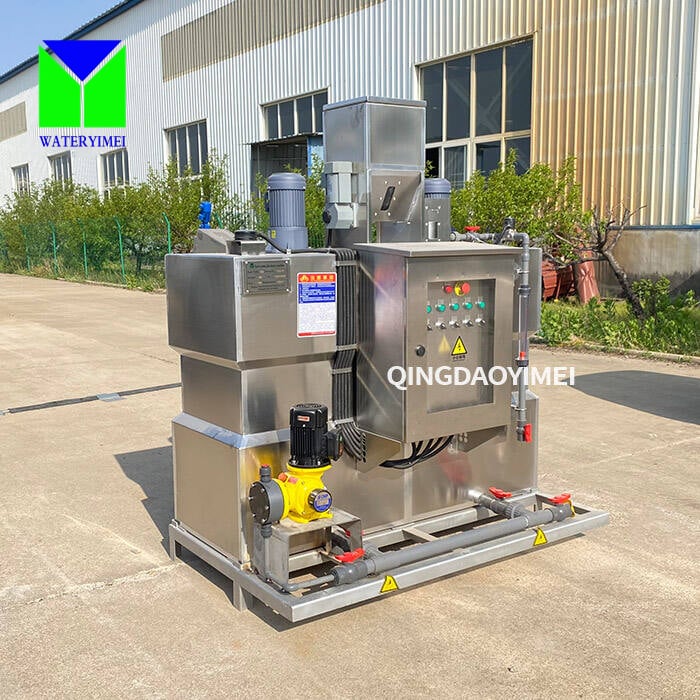
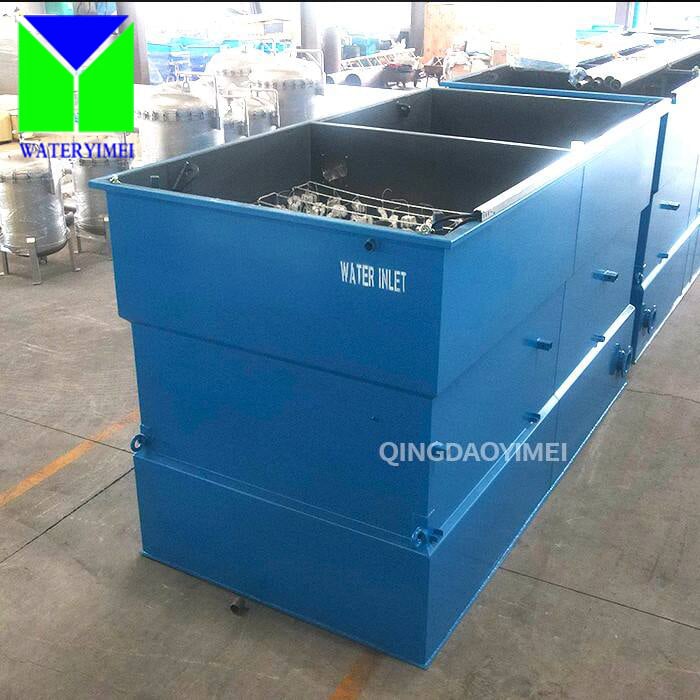
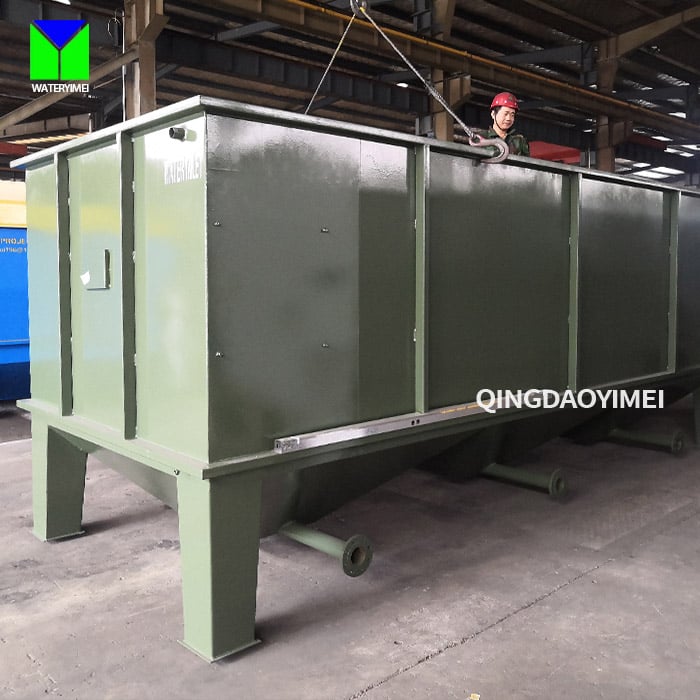
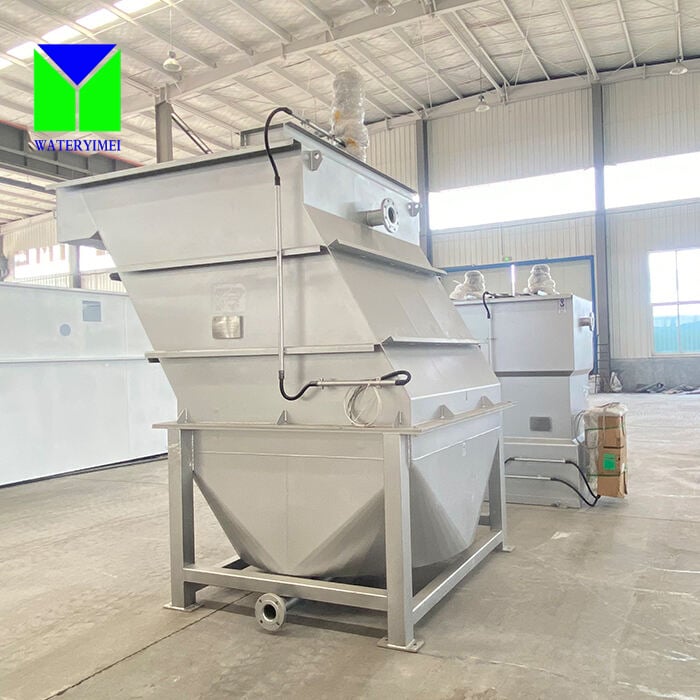
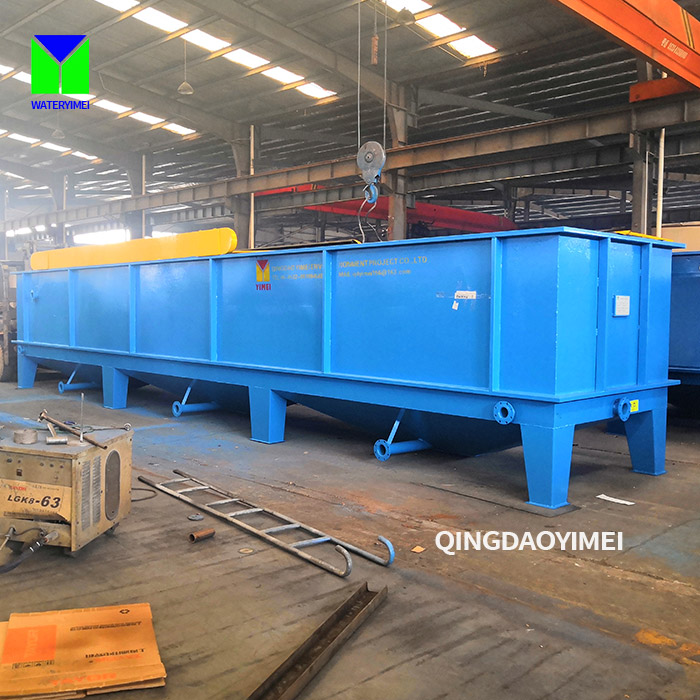
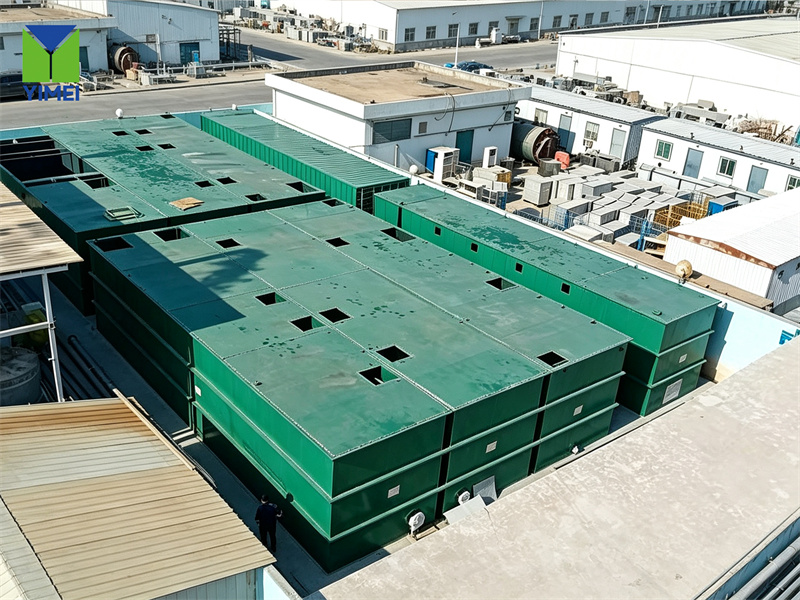
Based on the characteristics of laundry wastewater, Yimei designs an integrated laundry wastewater treatment solution consisting of screening and solid removal, an equalization tank, coagulation and dissolved air flotation (DAF) or sedimentation, hydrolysis and acidification, biological treatment, secondary clarification, filtration and tertiary treatment, disinfection, and compliant discharge with water reuse. During pretreatment, screens remove fibers, hair, and other large solids, while coagulation-DAF or sedimentation reduces the loading of suspended solids, fats, oils and grease, color, and foam. Biological treatment then removes detergents, surfactants, and biodegradable organic pollutants. Filtration, activated carbon, or membrane treatment units can also be incorporated according to the customer’s customized requirements to further improve effluent quality. After disinfection, the treated water can be reused for landscape irrigation, road washing, equipment cleaning, and other non-potable applications, helping reduce freshwater consumption and improve the resource recovery of laundry wastewater.
Raw Water Quality Reference:
| S. no | Effluent Parameters | UOM | Values |
| 1 | Type Of Effluent | Commercial Laundry | |
| 2 | Purpose of Treated Water | Reuse | |
| 3 | Plant capacity | KLD | 450 |
| 4 | Chemical Oxygen Demand | mg/L | 1000 |
| 5 | Biological Oxygen Demand | mg/L | 250 |
| 6 | Total Organic Carbon | mg/L | 180 |
| 7 | Oil & Grease | mg/L | 50 150 |
| 8 | pH | 10.5 | |
| 9 | Total Dissolved Solids | mg/L | 2250 |
| 10 | Total Suspended Solids | mg/L | 100 |
| 11 | Turbidity | NTU | 70 |
| 12 | Total Nitrogen | mg/L | 10 |
| 13 | Surfactants | mg/L | 6 |
| 14 | Minimum Atmospheric Temperature | ℃ | 10 |
| 15 | Maximum Atmospheric Temperature | ℃ | 52 |
| 16 | Escherichia coli | MPN/100ml | 10^7 |
Based on the experience data of wastewater and the given data of customers, the influent water quality and the effluent water standard is designed as follows:
| Item | Effluent quality (mg/l) |
| BOD₅ | 10 |
| COD | 15 |
| TSS | 1 |
| NH₃N | 0.5 |
| Nitrate | 14 |
| TP | 1 |
| Oil and Grease | 1 |
| Surfactant | 1 |
| Escherichia coli | <100 MPN/100ml |
Copyright © Qingdao Yimei Environment Project Co., Ltd. All Rights Reserved Privacy policy