 EN
EN
 AR
AR
 BG
BG
 CS
CS
 DA
DA
 NL
NL
 FI
FI
 FR
FR
 EL
EL
 HI
HI
 IT
IT
 JA
JA
 KO
KO
 NO
NO
 PL
PL
 PT
PT
 RO
RO
 RU
RU
 ES
ES
 TL
TL
 ID
ID
 UK
UK
 ET
ET
 TR
TR
 AF
AF
 GA
GA
 MK
MK
 BN
BN
 NE
NE
 KK
KK
 SU
SU
 UZ
UZ


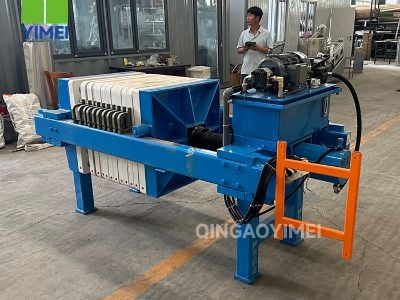
Understanding what determines sludge press machine performance in dewatering applications is essential for industries involved in wastewater treatment. These machines play a crucial role in solid-liquid separation, impacting operational efficiency and cost-effectiveness. As a purchasing manager or engineer, you need to know the factors influencing the performance of sludge press machines, including specifications, material selection, and application compatibility. This article will provide insights into these considerations, helping you make informed decisions for your projects
What Factors Influence Sludge Press Machine Performance in Dewatering
Several key factors determine the performance of sludge press machines in dewatering applications
Design and Technology: The design of the machine, including the type of pressing mechanism and the configuration of the filter media, directly affects its efficiency. Advanced technologies, such as membrane filtration, can enhance the dewatering process by achieving higher solid content in the final sludge cake
Material Selection: The materials used in the construction of the sludge press are vital for durability and effectiveness. Corrosion-resistant materials are essential, especially in environments with aggressive chemicals
Operating Conditions: The performance can vary based on the operating conditions, such as temperature, pressure, and the type of sludge being processed. For instance, the viscosity and composition of the sludge will determine how effectively it can be dewatered
Maintenance and Operational Practices: Regular maintenance is critical for ensuring ongoing performance. Machines that are not properly maintained may experience reduced efficiency and increased downtime
Automation and Control Systems: Automation features can enhance performance by optimizing the dewatering cycle and reducing human error. Advanced control systems allow for real-time monitoring and adjustments, which lead to improved efficiency
Understanding these factors helps in evaluating the suitability of sludge press machines for specific applications and ensuring they meet project requirements
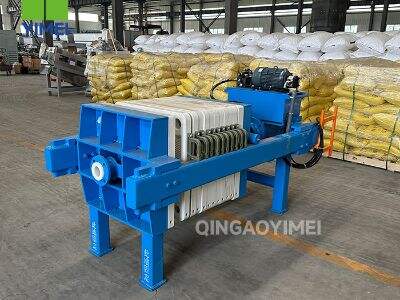
How to Choose the Right Sludge Press Machine for Your Project Needs
Selecting the right sludge press machine requires careful consideration of various aspects
Application Requirements: Assess the specific needs of your application. Consider the type of sludge, the desired dryness level, and the volume of sludge to be processed
Performance Specifications: Look for machines with high throughput rates and efficient solid-liquid separation capabilities. Key specifications to review include the cake thickness, moisture content, and retention time
Customization Options: Depending on your project, you may need specific features or configurations. Check whether the manufacturer offers customization to meet your operational needs
Space and Installation Considerations: Ensure the dimensions of the sludge press fit within your facility’s layout. Additionally, consider the installation requirements and any necessary infrastructure adjustments
Supplier Reliability: Source machines from reputable suppliers with a proven track record in manufacturing and supplying sludge press machines. Evaluate their experience, customer service, and after-sales support, especially for maintenance and spare parts
By focusing on these factors, you can choose a sludge press machine that aligns with your operational needs and budget
Where to Source Reliable Sludge Press Machines for Wholesale Purchases
When sourcing sludge press machines, consider the following avenues
Reputable Manufacturers: Start by looking for established manufacturers with a strong reputation in the industry. Companies like Qingdao Yimei Environment Project Co., Ltd. specialize in creating high-quality environmental protection equipment and can provide reliable options for your needs
Trade Shows and Expos: Attending industry trade shows allows you to see machines in action, meet manufacturers, and compare products directly. This face-to-face interaction can also help you gauge the reliability of suppliers
Industry Associations: Engage with industry associations that may provide directories or lists of verified manufacturers. These resources can help you identify companies with a strong background in sludge dewatering technologies
Online Marketplaces: Platforms like Alibaba or specialized industrial marketplaces can connect you with manufacturers and suppliers worldwide. Always verify the credibility of suppliers before making a purchase
Local Distributors: Partnering with local distributors can provide advantages such as easier communication, faster shipping, and local support. Ensure they have a good understanding of the products they offer
Sourcing from reliable suppliers ensures you receive quality machines that meet your operational requirements
Understanding the Cost Factors of Sludge Press Machines in Dewatering
The cost of sludge press machines can vary significantly based on several factors
Machine Specifications: Higher-performance machines with advanced features generally come with a higher price tag. Specifications such as throughput capacity, automation levels, and additional functionalities will impact the overall cost
Material Quality: The materials used in manufacturing the machine can affect both performance and cost. Machines made from durable, corrosion-resistant materials may require a higher initial investment but can lead to lower maintenance costs over time
Customization: Custom-built machines tailored to specific applications will typically incur higher costs. If your project demands unique configurations, be prepared for additional expenses
Shipping and Installation: Consider the costs associated with shipping, installation, and any required modifications to your facility. These factors can add to the total expenditure
Operational Costs: Analyze long-term operational costs, including energy consumption, maintenance, and potential downtime. A lower initial purchase price may not always equate to lower overall costs if the machine is inefficient or prone to failure
Understanding these cost factors will help you budget effectively and choose a machine that offers the best value for your investment
Common Installation Challenges for Sludge Press Machines and Solutions
Installing a sludge press machine can present several challenges. Here are common issues and potential solutions
Space Constraints: Limited space can complicate installation. Before proceeding, conduct a thorough site assessment to ensure the machine will fit comfortably and that all necessary connections (water, electricity) are accessible
Alignment Issues: Ensuring proper alignment of the machine is crucial for optimal performance. Misalignment can lead to increased wear and reduced efficiency. Utilize laser alignment tools during installation to achieve accurate positioning
Electrical and Plumbing Connections: Incorrectly installed electrical or plumbing connections can lead to operational problems. It's advisable to engage qualified technicians for these installations to prevent future issues
Training for Operators: Often overlooked, proper training for operators is essential for effective machine use. Ensure that your team is educated on the machine’s operational protocols and maintenance requirements
Testing Before Full Operation: Conduct a thorough testing phase before the machine is fully operational. This helps identify any issues that may need addressing and ensures everything operates as intended
By anticipating and addressing these challenges, you can facilitate a smoother installation process and enhance the machine's operational efficiency
Table of Contents
- What Factors Influence Sludge Press Machine Performance in Dewatering
- How to Choose the Right Sludge Press Machine for Your Project Needs
- Where to Source Reliable Sludge Press Machines for Wholesale Purchases
- Understanding the Cost Factors of Sludge Press Machines in Dewatering
- Common Installation Challenges for Sludge Press Machines and Solutions