 EN
EN
 AR
AR
 BG
BG
 CS
CS
 DA
DA
 NL
NL
 FI
FI
 FR
FR
 EL
EL
 HI
HI
 IT
IT
 JA
JA
 KO
KO
 NO
NO
 PL
PL
 PT
PT
 RO
RO
 RU
RU
 ES
ES
 TL
TL
 ID
ID
 UK
UK
 ET
ET
 TR
TR
 AF
AF
 GA
GA
 MK
MK
 BN
BN
 NE
NE
 KK
KK
 SU
SU
 UZ
UZ


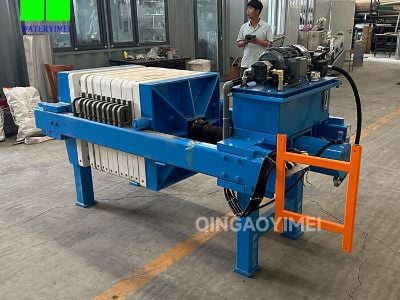
Understanding how sludge press machine systems fit into industrial dewatering processes is essential for companies focused on efficient wastewater management. These systems play a crucial role in separating solids from liquids, optimizing resource recovery, and minimizing disposal costs. For purchasing managers and engineers considering these solutions, the key concerns often revolve around efficiency, scalability, compatibility with existing processes, and overall cost. This article will delve into how sludge press machines enhance dewatering efficiency, what specifications to consider, their features and benefits, common dewatering challenges, and cost factors associated with bulk orders.
How Sludge Press Machines Enhance Industrial Dewatering Efficiency?
Sludge press machines are designed to significantly improve the efficiency of industrial dewatering processes by effectively separating water from sludge. These machines utilize mechanisms such as pressure, gravity, or a combination of both to extract moisture, resulting in a drier solid waste that is easier to handle and transport. By employing advanced filtration techniques, these systems can achieve high solid content levels in the end product, which not only reduces disposal costs but also enhances the potential for resource recovery. One of the primary benefits of sludge treatment equipment press machines is their ability to operate continuously, allowing for higher throughput compared to traditional dewatering methods. This feature is particularly advantageous in industries such as municipal wastewater treatment, food processing, and mining, where high volumes of sludge need to be processed regularly. Furthermore, the automation capabilities of modern sludge presses can minimize manual intervention, reducing labor costs and the potential for human error.
Key Specifications to Consider When Sourcing Sludge Press Systems
When sourcing sludge press systems, buyers should focus on several key specifications to ensure optimal performance and compatibility with their existing operations:
Capacity: Determine the maximum volume of sludge that needs to be processed within a specific timeframe. This will influence the size and power requirements of the machine.
Filtration Area: The filtration area directly impacts the efficiency of moisture removal. A larger filtration area typically results in improved dewatering performance.
Pressure Range: Different sludge types may require different pressure settings for effective dewatering. Understanding the pressure requirements can help in selecting the appropriate machine configuration.
Material Construction: The materials used in the construction of the sludge wastewater treatment press affect its durability and resistance to corrosive environments. Stainless steel is commonly preferred for its longevity and ease of maintenance.
Automation Features: Systems equipped with automated controls can enhance operational efficiency and reduce the need for manual oversight. Look for options with programmable settings and remote monitoring capabilities.
Footprint and Installation Requirements: Consider the space available for installation and any specific requirements for utilities such as power supply and water connections.
Features and Benefits Explained
Sludge press machines come with various features designed to enhance their performance and ease of use:
Modular Design: Many sludge presses are designed in a modular fashion, allowing for easy upgrades or expansions as processing needs change.
Energy Efficiency: Modern machines often incorporate energy-efficient motors and drive systems, which can lead to significant cost savings over time.
Low Maintenance Needs: With fewer moving parts and robust construction, many sludge presses require less maintenance, reducing downtime and associated costs.
Versatile Applications: These machines can handle a wide range of sludge types, from municipal wastewater to industrial byproducts, making them suitable for diverse applications.
The benefits of using sludge press machines extend beyond cost savings; they also contribute to environmental sustainability by reducing the volume of waste sent to landfills and enabling resource recovery from wastewater.
Common Problems in Dewatering and How Sludge Presses Solve Them
Dewatering processes often face several challenges, including:
Inconsistent Dewatering Performance: Variability in sludge characteristics can lead to inconsistent dewatering results. Sludge press machines can adapt to changes in sludge composition, providing reliable performance across different types.
High Operational Costs: Traditional dewatering methods may involve high energy and labor costs. Sludge presses enhance efficiency, ultimately lowering operational expenses.
Handling Difficult Sludge Types: Some sludge dewatering system, especially those with high organic content or fibrous materials, can be challenging to dewater. Sludge presses are designed to handle these variations effectively, ensuring optimal separation.
Environmental Compliance: Increasing regulations on waste disposal necessitate effective dewatering solutions. Sludge press systems help meet compliance standards by reducing the volume of waste and improving waste quality.
By addressing these common dewatering problems, sludge press machines present a reliable solution that enhances operational efficiency and complies with environmental standards.
Evaluating the Cost Factors of Sludge Press Machines for Bulk Orders
When considering a bulk order for sludge press machines, several cost factors should be evaluated:
Purchase Price: While the initial purchase price is a significant factor, it’s essential to consider the total cost of ownership, including installation, maintenance, and operation costs.
Customization Requirements: Customization can add to the upfront costs, but it may be necessary to meet specific processing needs. Discussing customization options with the manufacturer can clarify the cost implications.
Volume Discounts: Many manufacturers offer discounts for bulk purchases, which can significantly reduce the overall investment. Always inquire about available pricing structures for larger orders.
Shipping and Logistics: Consider the costs associated with shipping and transportation, especially for large machinery. Factor in lead times and any potential delays that could impact your operation.
Long-Term Savings: Evaluate the potential savings that come from improved efficiency, reduced labor needs, and lower energy consumption over the machine's lifespan.
understanding how sludge press machine systems fit into industrial dewatering processes helps in making informed purchasing decisions. By focusing on key specifications, recognizing the features and benefits, addressing common dewatering challenges, and evaluating cost factors, B2B buyers can select the right equipment to enhance their wastewater treatment operations effectively.