 EN
EN
 AR
AR
 BG
BG
 CS
CS
 DA
DA
 NL
NL
 FI
FI
 FR
FR
 EL
EL
 HI
HI
 IT
IT
 JA
JA
 KO
KO
 NO
NO
 PL
PL
 PT
PT
 RO
RO
 RU
RU
 ES
ES
 TL
TL
 ID
ID
 UK
UK
 ET
ET
 TR
TR
 AF
AF
 GA
GA
 MK
MK
 BN
BN
 NE
NE
 KK
KK
 SU
SU
 UZ
UZ


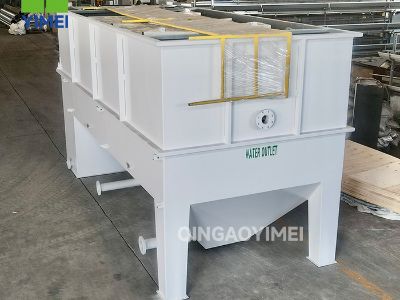
Understanding how sludge treatment plant layout influences equipment selection is crucial for optimizing performance, efficiency, and safety. Sludge treatment plants play a vital role in wastewater management, and the configuration of these facilities can significantly impact the types of equipment chosen. B2B buyers, including purchasing managers and engineers, need to consider various factors such as space constraints, equipment compatibility, and specific operational needs. This article aims to provide insights into how plant layout affects equipment selection, guiding buyers in making informed decisions
Key Factors in Choosing Equipment for Sludge Treatment Plants
When selecting equipment for sewage sludge treatment plants, several key factors come into play. First, the layout of the plant directly influences the type of equipment that can be installed. For example, if space is limited, compact equipment designs may be necessary to maximize efficiency without compromising performance
Second, the flow of materials through the plant must be considered. Equipment should be chosen based on how sludge moves through the treatment process, ensuring that each component is optimally positioned to facilitate smooth operations. Additionally, the compatibility of various equipment types must be assessed; for instance, the interaction between pumps, separators, and digesters can affect overall system efficiency
Lastly, regulatory requirements may dictate specific equipment standards and capabilities. Understanding local environmental regulations can guide buyers in selecting compliant equipment that meets or exceeds these standards
Wholesale Buyer Considerations for Sludge Treatment Equipment
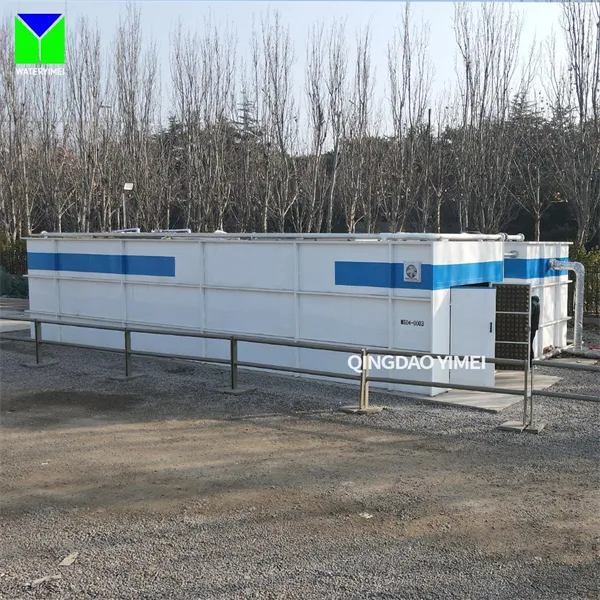
Wholesale buyers must consider several factors when sourcing sludge treatment equipment. First, they should evaluate the manufacturer's experience and reputation in the industry. A manufacturer with a proven track record, like Qingdao Yimei Environment Project Co., Ltd., which has been in operation since 1988, is more likely to provide reliable products and superior technical support
Second, functionality and performance specifications are critical. Buyers should seek equipment that not only meets their immediate treatment needs but is also scalable to accommodate future growth or changes in regulations. This may involve understanding technical parameters such as flow rates, treatment capacities, and energy requirements
In addition, buyers should inquire about customization options. Many manufacturers offer tailored solutions to meet specific operational requirements, which can lead to more efficient and effective sludge treatment processes. Understanding packaging methods and delivery timelines is also essential to ensure a seamless procurement process
Quality Control Measures for Sludge Treatment Equipment Selection
Quality control is paramount in the selection of sludge treatment equipment. One crucial measure is the inspection of materials used in construction. Equipment that is exposed to harsh environments should be made from corrosion-resistant materials to ensure longevity and reliability. Buyers should confirm the manufacturing standards and certifications that the equipment adheres to, which can significantly impact its performance and durability
Another important aspect is the testing procedures employed by the manufacturer. Equipment should undergo rigorous testing to verify that it meets operational specifications and safety standards before delivery. This includes checking for functionality under actual working conditions, which can prevent costly issues during operation
Buyers should also consider the after-sales support provided by the manufacturer. Reliable technical service and easy access to spare parts are essential for maintaining equipment performance over its lifecycle. A solid after-sales support system can significantly reduce downtime and maintenance costs
Cost Factors Influencing Sludge Treatment Plant Equipment Choices
Cost is a critical factor when selecting equipment for sludge treatment plants. Buyers should evaluate both the initial purchase price and the total cost of ownership, which includes maintenance, energy consumption, and potential downtime. While lower upfront costs may be appealing, they can sometimes lead to higher operational expenses in the long run
Additionally, financing options and payment terms offered by suppliers can influence purchasing decisions. Buyers should assess whether the supplier can accommodate their budget constraints while still providing quality equipment
It's also important for buyers to consider the potential for customization, as tailored solutions may involve additional costs. However, these investments can lead to improved efficiency and lower operational costs, making them worthwhile in the long term
Common Problems in Sludge Treatment and Their Solutions
Sludge treatment plants can face various challenges that impact their efficiency and effectiveness. One common issue is equipment failure, which can arise from inadequate maintenance or poor-quality components. To mitigate this, regular maintenance schedules and quality inspections should be established. Buyers should also ensure that they have access to high-quality spare parts to minimize downtime
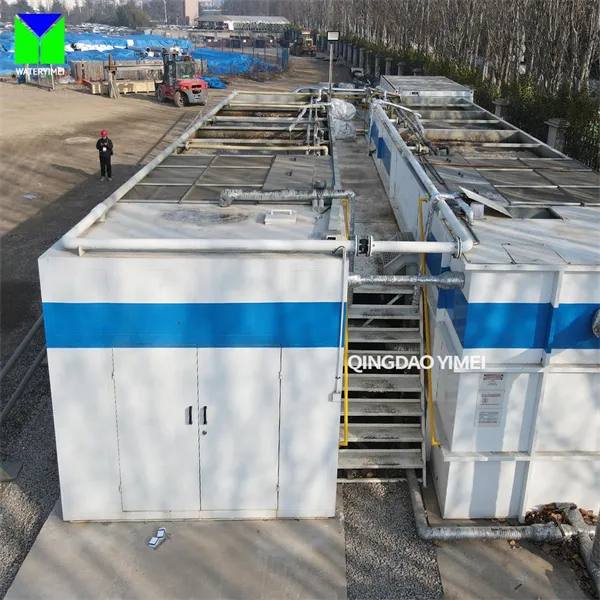
Another frequent problem is the improper handling of sludge, which can lead to clogging or inefficient treatment processes. Proper training for operators and clear operational guidelines are essential to prevent these issues. Additionally, the layout of the plant should facilitate efficient material flow to avoid bottlenecks
Lastly, fluctuations in influent quality can affect treatment performance. Implementing advanced monitoring systems can help operators adjust processes in real-time, ensuring consistent treatment outcomes. Buyers should consider equipment that allows for flexibility and adaptability to changing influent characteristics
Understanding how sludge treatment plant layout influences equipment selection is vital for ensuring efficient operations and compliance with regulatory standards. By considering key factors such as compatibility, quality control measures, cost implications, and common operational challenges, B2B buyers can make informed decisions that enhance the effectiveness of their sludge treatment processes
Table of Contents
- Key Factors in Choosing Equipment for Sludge Treatment Plants
- Wholesale Buyer Considerations for Sludge Treatment Equipment
- Quality Control Measures for Sludge Treatment Equipment Selection
- Cost Factors Influencing Sludge Treatment Plant Equipment Choices
- Common Problems in Sludge Treatment and Their Solutions