 EN
EN
 AR
AR
 BG
BG
 CS
CS
 DA
DA
 NL
NL
 FI
FI
 FR
FR
 EL
EL
 HI
HI
 IT
IT
 JA
JA
 KO
KO
 NO
NO
 PL
PL
 PT
PT
 RO
RO
 RU
RU
 ES
ES
 TL
TL
 ID
ID
 UK
UK
 ET
ET
 TR
TR
 AF
AF
 GA
GA
 MK
MK
 BN
BN
 NE
NE
 KK
KK
 SU
SU
 UZ
UZ


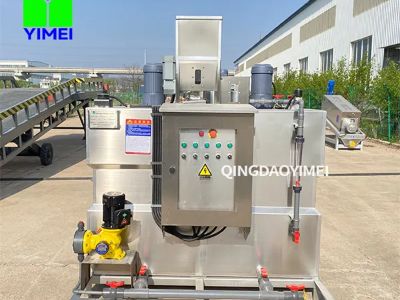
Integrated wastewater management is a crucial strategy that enhances water reuse strategies by optimizing how we treat and recycle water. As industries and municipalities face increasing pressure to conserve water resources, integrated management systems help streamline processes, reduce costs, and ensure compliance with environmental regulations. For B2B buyers, understanding how integrated wastewater management supports water reuse strategies is vital to making informed purchasing decisions. This article will outline key elements of integrated wastewater management, considerations for selecting equipment, cost factors, installation guidelines, and quality evaluations to guide purchasing managers and engineers in their decision-making.
How Integrated Wastewater Management Enhances Water Reuse Strategies
Integrated water and wastewater management involves a holistic approach to treating wastewater, ensuring that it can be safely reused for various applications. This process typically includes collection, treatment, and discharge, all of which contribute to a more sustainable water cycle. Key components often include advanced filtration systems, biological treatment methods, and disinfection processes.
By implementing these technologies, companies can significantly increase the volume of treated water available for reuse, which can be redirected for industrial processes, irrigation, or even potable applications, depending on treatment levels. This not only conserves fresh water resources but also minimizes environmental impact, thereby supporting corporate sustainability goals. For instance, industries can reduce their dependence on municipal water supplies, leading to lower operating costs and enhanced corporate responsibility.
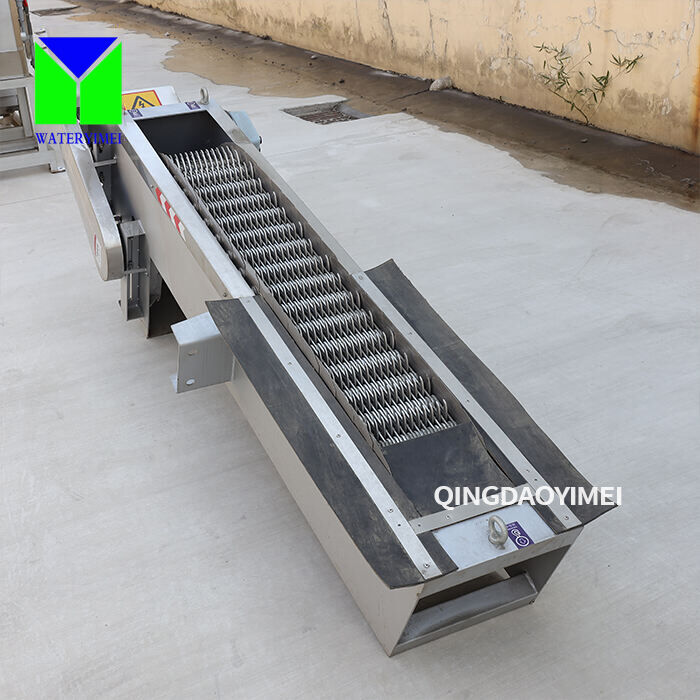
Choosing the Right Supplier for Wastewater Management Equipment
Selecting the right supplier for wastewater management equipment is crucial for ensuring operational efficiency and compliance with regulatory standards. Buyers should consider several factors when evaluating potential suppliers:
Experience and Expertise: Look for suppliers with a proven track record in the wastewater treatment industry. A manufacturer like Qingdao Yimei Environment Project Co., Ltd., with over 35 years in the business, offers insights into equipment design and application suitability.
Product Range and Customization: Suppliers should provide a variety of equipment types tailored to specific needs, such as membrane bioreactors, clarifiers, or sludge dewatering systems. Ensure that the supplier can customize solutions based on your operational requirements.
Technical Support: After-sales service and technical support are crucial. Choose a supplier with local branches that can provide prompt assistance and spare parts, ensuring minimal downtime.
Certifications and Compliance: Verify that the supplier complies with relevant industry standards and regulations. This is essential for ensuring that equipment meets safety and environmental requirements.
Cost Factors in Implementing Water Reuse Strategies
The cost of implementing water reuse strategies can vary significantly based on several factors. Understanding these will help buyers make informed financial decisions:
Initial Capital Investment: This includes costs related to purchasing equipment, installation, and any necessary infrastructure modifications. High-efficiency systems may have higher upfront costs but can lead to significant long-term savings.
Operational Costs: Ongoing expenses such as energy consumption, maintenance, and labor should be factored into the total cost of ownership. Efficient systems designed by experienced manufacturers can help lower these recurring costs.
Regulatory Compliance Costs: Ensure that the equipment meets all local and national regulations, which may entail additional costs for permits, inspections, or modifications to meet discharge limits.
Potential Savings: Evaluate the financial benefits associated with reduced water consumption and lower wastewater disposal fees. These cost savings can often offset initial investment costs, making water reuse strategies economically viable.
Installation Guidelines for Efficient Water Reuse Systems
Successfully installing wastewater management plant systems requires careful planning and execution. Here are key guidelines to follow:
Site Assessment: Conduct a thorough site assessment to determine the best location for equipment installation. Consider factors such as space availability, access for maintenance, and proximity to existing infrastructure.
Compatibility Checks: Ensure that the new system is compatible with existing equipment. This may involve reviewing technical specifications and operational parameters to avoid integration issues.
Professional Installation: Engage experienced professionals for system installation. This reduces the risk of errors that could lead to inefficiencies or compliance violations.
Testing and Calibration: After installation, conduct thorough testing and calibration of the system to ensure it operates within specified parameters. This step is critical for achieving optimal performance and meeting regulatory standards.
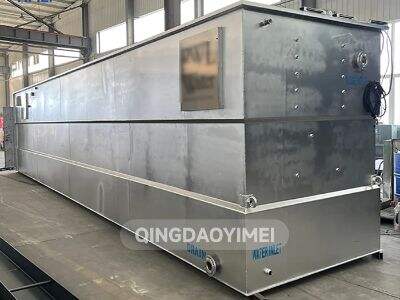
Evaluating Quality in Wastewater Treatment Equipment
Quality evaluation is a critical step in the purchasing process. Buyers should focus on several aspects to ensure the equipment’s reliability and performance:
Material Selection: The materials used in construction should withstand the harsh conditions of wastewater treatment, including corrosion and chemical exposure. Stainless steel, for example, is often preferred for its durability.
Performance Specifications: Evaluate equipment specifications such as flow rate, treatment capacity, and energy efficiency. These parameters directly impact the system’s effectiveness and operating costs.
Quality Control Processes: Understand the manufacturer’s quality control processes. Manufacturers like Qingdao Yimei Environment Project Co., Ltd. likely implement rigorous testing protocols to ensure that products meet industry standards.
Customer Reviews and Case Studies: Research customer feedback and case studies to gauge the reliability and performance of the equipment in real-world applications. This insight can help validate your purchasing decision.
By focusing on these areas, B2B buyers can ensure they select the most effective wastewater treatment solutions that align with their water reuse strategies. Understanding integrated wastewater management's role in enhancing water reuse will ultimately lead to more sustainable operations and improved environmental stewardship.