 EN
 AR
 BG
 CS
 DA
 NL
 FI
 FR
 EL
 HI
 IT
 JA
 KO
 NO
 PL
 PT
 RO
 RU
 ES
 TL
 ID
 UK
 ET
 TR
 AF
 GA
 MK
 BN
 NE
 KK
 SU
 UZ


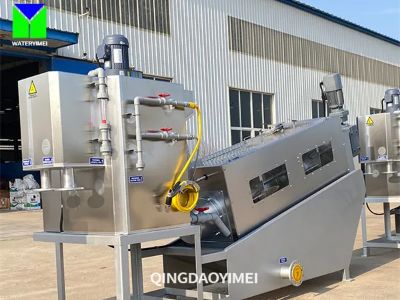
Proper sludge handling is critical to the performance of wastewater management plants. As a vital part of the wastewater treatment process, effective sludge management not only ensures compliance with environmental regulations but also significantly influences the overall efficiency and operational costs of treatment facilities. This article will explore the importance of sludge handling, key specifications to consider when evaluating sludge handling solutions, budgeting for wastewater projects, sourcing reliable equipment, and installation guidance to ensure optimal performance.
Understanding the Importance of Sludge Handling in Wastewater Management
Sludge handling encompasses the processes involved in the collection, treatment, and disposal of sludge generated during wastewater treatment. This material, which often contains organic and inorganic contaminants, must be managed effectively to prevent environmental pollution and ensure compliance with local regulations.
The importance of sludge handling extends beyond regulatory compliance. Proper management of sludge enhances the overall performance of sewage sludge treatment plant by reducing operational costs, improving treatment efficiency, and enabling the recovery of valuable resources. For instance, decanting and thickening processes can reduce the volume of sludge, leading to lower transportation and disposal costs. Additionally, advanced treatment methods can recover biogas or nutrients, contributing to a more sustainable operation.
Moreover, inefficient sludge handling can lead to several problems, including increased odors, pathogen proliferation, and operational disruptions. These issues can result in costly repairs and regulatory fines. Therefore, understanding the nuances of sludge handling is crucial for purchasing managers, engineers, and facility operators looking to optimize their plant's performance.
Key Specifications to Evaluate in Sludge Handling Solutions
When evaluating sludge handling solutions, several key specifications should be considered to ensure suitability for your specific application. These include:
Capacity and Size: The capacity of sludge handling equipment must match the volume of sludge generated at the facility. Oversized equipment can lead to unnecessary costs, while undersized equipment can cause bottlenecks and operational inefficiencies. Assessing projected sludge generation rates and peak flows is essential.
Material Compatibility: Different types of sludge may require specific handling technologies based on their composition, such as organic matter content, solids concentration, and chemical properties. For example, anaerobic digestion systems are suitable for high-organic-content sludge, while thermal drying may be preferred for dewatered sludge.
Operational Efficiency: Look for equipment that minimizes energy consumption and maximizes throughput. Technologies such as screw presses, belt filters, and centrifuges have varying efficiencies based on design and application. Consider the energy costs associated with different systems.
Maintenance Requirements: Evaluate the maintenance needs of potential systems. The sludge dewatering equipment that requires frequent servicing can lead to increased downtime and operational costs. Opt for designs that offer easy access for maintenance checks and repairs.
Control and Automation: Modern sludge handling solutions often come with automation capabilities that enhance operational efficiency. Equipment with advanced monitoring systems can provide real-time data on performance, enabling timely interventions and reducing labor costs.
By carefully assessing these specifications, buyers can select sludge handling solutions that align with their operational goals and budget constraints.
Budgeting for Wastewater Projects
Budgeting for wastewater projects, particularly those involving sludge handling, requires careful consideration of various factors. These include initial capital costs, ongoing operational expenses, and potential cost savings from improved efficiencies.
Capital Costs: This includes the purchase price of sludge handling equipment, installation expenses, and any necessary infrastructure upgrades. Buyers should obtain detailed quotations from suppliers, including the costs of ancillary equipment such as pumps and conveyors.
Operational Costs: Ongoing expenses should encompass energy consumption, maintenance, and labor. It is essential to factor in the costs associated with the disposal of treated sludge, as this can significantly impact overall budget considerations.
Return on Investment (ROI): Consider the potential ROI from investing in more efficient sludge handling solutions. While initial expenditures may be higher for advanced technologies, the long-term savings from reduced energy consumption and lower disposal costs can make them more economically viable.
Contingencies and Unforeseen Costs: Allocate a portion of the budget for unexpected expenses, which can arise from installation challenges or changes in regulatory requirements. This ensures that projects remain on track without financial strain.
A well-structured budget can help purchasing managers make informed decisions and justify investments in sludge handling solutions.
Where to Source Reliable Sludge Handling Equipment Wholesale?
Sourcing reliable sludge handling equipment requires a strategic approach to ensure quality and sustainability. Here are some key steps to take:
Research Reputable Manufacturers: Start by identifying manufacturers with a solid track record in the wastewater treatment industry. Look for companies, like Qingdao Yimei Environment Project Co., Ltd., that have experience in fabricating a wide range of environmental protection equipment.
Evaluate Supplier Credentials: Examine potential suppliers' credentials, including certifications, quality control processes, and customer testimonials. Established suppliers often share case studies that highlight their successful projects, providing further assurance of their capabilities.
Request Quotes: When requesting quotes, provide detailed information on your requirements, including the type of sludge, expected volume, and specific performance criteria. This will help suppliers tailor their proposals to your needs.
Consider After-Sales Support: Reliable after-sales support is crucial for maintaining equipment performance. Choose suppliers that offer comprehensive service packages, including installation assistance, training, and readily available spare parts.
Visit Manufacturing Facilities: If feasible, visiting the manufacturing facilities of prospective suppliers can provide insights into their production processes and quality standards. This firsthand experience can strengthen your confidence in their products.
By following these steps, buyers can effectively source high-quality sludge handling equipment that meets their operational needs.
Installation Guidance for Effective Sludge Management Systems
Proper installation of sludge handling systems is vital to ensure optimal performance and longevity. Here are key considerations for a successful installation:
Site Assessment: Conduct a thorough site assessment to identify potential challenges related to space, existing infrastructure, and environmental conditions. Understanding these factors can help tailor the installation approach.
Professional Installation Services: Engage qualified professionals for installation. This ensures that all equipment is set up according to manufacturer specifications and local regulations. Proper installation helps avoid issues that could arise during operation.
Testing and Calibration: Once installed, conduct performance testing to confirm that the equipment operates within specified parameters. Calibration may be necessary to ensure accuracy and efficiency.
Training for Operators: Provide comprehensive training for operators on the new sludge handling systems. Understanding the operational requirements and maintenance procedures can significantly enhance equipment performance and reduce the likelihood of errors.
Regular Maintenance Checks: Establish a routine maintenance schedule to monitor equipment performance and address any potential issues before they escalate. This proactive approach can prevent costly downtime and extend the lifespan of the equipment.
Effective installation and maintenance practices are key to achieving the desired outcomes from sludge handling systems, enhancing the overall efficiency of wastewater management operations.
By understanding the critical role of sludge handling, evaluating specifications, budgeting appropriately, sourcing reliable equipment, and ensuring proper installation, buyers can make informed decisions that enhance their wastewater management plant's performance.