 EN
EN
 AR
AR
 BG
BG
 CS
CS
 DA
DA
 NL
NL
 FI
FI
 FR
FR
 EL
EL
 HI
HI
 IT
IT
 JA
JA
 KO
KO
 NO
NO
 PL
PL
 PT
PT
 RO
RO
 RU
RU
 ES
ES
 TL
TL
 ID
ID
 UK
UK
 ET
ET
 TR
TR
 AF
AF
 GA
GA
 MK
MK
 BN
BN
 NE
NE
 KK
KK
 SU
SU
 UZ
UZ


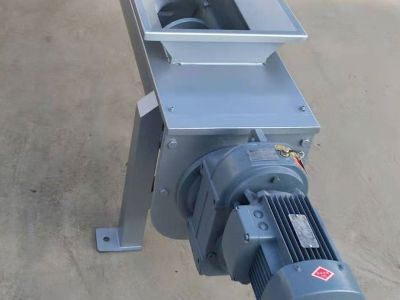
Proper sludge recovery is a crucial aspect of integrated wastewater management, enabling facilities to enhance efficiency and sustainability. This article explores how sludge recovery fits into integrated wastewater management, addressing key considerations for purchasing managers, engineers, and other industry professionals. By understanding the benefits and specifications of sludge recovery systems, as well as common challenges and solutions, readers will be better equipped to make informed decisions when integrating these systems into their operations.
How Sludge Recovery Enhances Integrated Wastewater Management Solutions?
Sludge recovery plays a vital role in integrated wastewater management by optimizing the treatment process and reducing the environmental impact of wastewater. Effective sludge recovery systems not only minimize waste but also enhance resource recovery, allowing for the reuse of valuable materials like nutrients and organic matter. In this context, businesses can reduce disposal costs and comply with regulatory requirements while promoting sustainability.
A well-designed sludge recovery system contributes to the overall efficiency of wastewater treatment plants by streamlining operations. This involves the integration of advanced technologies that allow for the separation and processing of sludge sewage treatment, ultimately improving the quality of treated water and increasing the facility's overall performance. For B2B buyers, understanding the specific benefits of sludge recovery can guide them in selecting the right systems that align with their operational goals.
Choosing the Right Sludge Recovery System for Your Project Needs
Selecting the appropriate sludge recovery system depends on several factors, including the type of wastewater being treated, treatment capacity, and specific project requirements. Key considerations include:
Type of Sludge: Different types of sludge (primary, secondary, or mixed) require tailored recovery systems. Buyers should assess the characteristics of the sludge they handle to ensure compatibility with the chosen system.
Flow Rate and Volume: Understanding the expected flow rate and volume of sludge is essential for selecting a system that can efficiently manage processing demands without becoming overwhelmed or underutilized.
Technology Options: Various technologies are available for sludge dewatering equipment recovery, including centrifuges, belt filter presses, and anaerobic digesters. Each technology has distinct advantages and potential limitations, making it crucial for buyers to evaluate which option meets their operational needs best.
Customization and Scalability: As wastewater treatment needs evolve, the ability to customize and scale sludge recovery systems becomes vital. Buyers should consider manufacturers' capabilities to provide tailored solutions that can adapt to changing requirements.
Key Specifications & Benefits
When evaluating sludge recovery systems, certain specifications and benefits should be prioritized:
Efficiency: Look for systems with high recovery rates, which can significantly reduce waste disposal costs. Systems that achieve over 90% recovery are often considered optimal.
Material Construction: The materials used in construction, such as stainless steel or corrosion-resistant alloys, ensure durability and longevity, especially in harsh operating conditions. Buyers should verify material specifications to ensure they align with the operational environment.
Automation and Control Features: Advanced sludge treatment equipment recovery systems often come equipped with automated controls, allowing for real-time monitoring and adjustment of parameters. This leads to enhanced operational efficiency and reduced labor costs.
Maintenance Requirements: Understanding the maintenance needs of the system is crucial. Buyers should inquire about routine maintenance schedules and the availability of spare parts, particularly in regions where service support may be limited.
Evaluating the Quality of Sludge Recovery Equipment for Long-Term Use
Quality evaluation is critical when selecting sludge recovery equipment. Here are key considerations to ensure long-term reliability:
Certifications and Compliance: Ensure that the equipment meets industry standards and regulatory requirements. Certifications can provide assurance of the system's performance and reliability.
Performance Testing: Before finalizing a purchase, buyers should request performance data or case studies demonstrating the equipment's efficiency in similar applications. This data can provide insights into how the system will perform in practice.
Supplier Reputation: Researching the manufacturer's track record in the industry can provide valuable insights. Companies with a history of successful installations and satisfied customers are often more reliable.
Warranty and Support: A robust warranty and support system can significantly impact long-term satisfaction. Buyers should clarify warranty terms and availability of technical support to address any potential challenges.
Common Sludge Recovery Challenges and Effective Solutions to Address Them
While sludge recovery systems offer numerous benefits, several challenges can arise during their implementation and operation. Here are common issues and effective solutions:
Dehydration Issues: Inadequate sludge dehydration can lead to increased disposal costs. To address this, buyers should consider systems with advanced dewatering technologies, such as high-efficiency centrifuges, which enhance water removal.
Odor Control: Odor emissions can be a significant concern, particularly in urban settings. Implementing odor control measures, such as biofilters or chemical scrubbers, can help mitigate this issue.
Operational Downtime: Unexpected breakdowns can disrupt operations. Investing in quality equipment with proven reliability and establishing a proactive maintenance schedule can minimize downtime.
Regulatory Compliance: Keeping up with changing regulations can be challenging. Working with manufacturers who stay updated on industry standards can help buyers ensure their systems remain compliant over time.
By addressing these challenges proactively, buyers can enhance the effectiveness and efficiency of their sludge recovery systems, contributing to a more sustainable integrated wastewater management approach.
sludge recovery is a fundamental component of integrated wastewater management, providing numerous benefits while addressing operational challenges. By understanding the factors that influence the selection and performance of sludge recovery systems, buyers can make informed decisions that support their environmental goals and operational efficiency. For those seeking reliable solutions, Qingdao Yimei Environment Project Co., Ltd. offers a range of advanced machinery tailored to meet diverse wastewater treatment needs, backed by years of expertise in the industry.
Table of Contents
- How Sludge Recovery Enhances Integrated Wastewater Management Solutions?
- Choosing the Right Sludge Recovery System for Your Project Needs
- Key Specifications & Benefits
- Evaluating the Quality of Sludge Recovery Equipment for Long-Term Use
- Common Sludge Recovery Challenges and Effective Solutions to Address Them