 EN
EN
 AR
AR
 BG
BG
 CS
CS
 DA
DA
 NL
NL
 FI
FI
 FR
FR
 EL
EL
 HI
HI
 IT
IT
 JA
JA
 KO
KO
 NO
NO
 PL
PL
 PT
PT
 RO
RO
 RU
RU
 ES
ES
 TL
TL
 ID
ID
 UK
UK
 ET
ET
 TR
TR
 AF
AF
 GA
GA
 MK
MK
 BN
BN
 NE
NE
 KK
KK
 SU
SU
 UZ
UZ


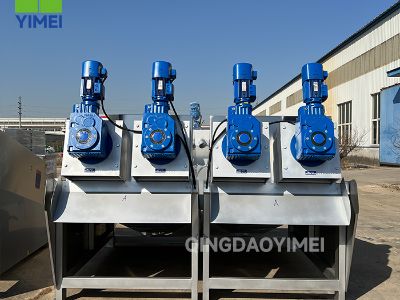
Understanding the role of sludge press machines is crucial for industries involved in wastewater treatment. These machines optimize the management of sludge, a byproduct of various industrial processes. This article will explore what industries commonly use sludge press machine technology, addressing key concerns for B2B buyers such as application suitability, maintenance, and purchasing considerations. By the end, readers will gain a clear understanding of the practical applications and benefits of sludge press machines in their operations.
What Industries Benefit Most from Sludge Press Machine Technology?
Sludge press machines are integral to several industries that generate wastewater containing solid waste. The primary sectors that benefit from this technology include:
Municipal Wastewater Treatment: Municipalities utilize sludge press machines to dewater sewage sludge, reducing volume and facilitating easier disposal or recycling.
Food and Beverage: This industry generates organic waste, making sludge press machines essential for managing byproducts while ensuring compliance with environmental regulations.
Pharmaceuticals: The pharmaceutical sector often deals with hazardous waste, requiring efficient dewatering systems to minimize environmental impact and comply with strict regulations.
Paper and Pulp: This industry produces significant amounts of sludge sewage treatment, necessitating efficient handling systems to manage waste and recover materials where possible.
Mining and Metals: Sludge press machines help in treating process water and managing tailings, enhancing sustainability by recovering water and reducing landfill use.
Each of these industries has unique requirements, and understanding these can help buyers select the most suitable sludge press machine for their specific needs.
Common Application Scenarios for Sludge Press Machines in Industry
Sludge press machines are employed in various scenarios, highlighting their versatility:
Dewatering: The primary function is to remove water from sludge, which significantly reduces its volume. This is crucial in municipal facilities where space for waste storage is limited.
Thickening: In some applications, sludge must be thickened before further processing. Sludge press machines can achieve this through mechanical means, preparing the sludge filter press for subsequent drying or disposal.
Recycling: In industries like food and beverage, the solid byproducts can sometimes be purposed as animal feed or compost. Sludge press machines help separate liquid and solid waste effectively for this purpose.
Hazardous Waste Management: Industries dealing with hazardous materials often require specialized sludge press machines that comply with safety regulations, ensuring that harmful substances are contained and managed appropriately.
These applications demonstrate the importance of selecting a machine tailored to specific industry needs, ensuring optimal performance and compliance with regulations.
Best Practices
When integrating sludge press machines into operations, following best practices can enhance performance and reliability:
Regular Maintenance: Routine maintenance is vital for ensuring the longevity and efficiency of sludge press machines. This includes checking and replacing worn parts, cleaning filters, and monitoring hydraulic systems.
Operator Training: Proper training for operators can prevent mishandling and operational errors, which can lead to inefficiencies or equipment damage. Understanding the machine's functionalities and limitations is essential.
Monitoring Performance: Implementing systems for monitoring the performance of sludge dryers wastewater can help identify issues early. Parameters such as throughput, moisture content, and energy consumption should be regularly assessed.
Customization: Depending on the specific application, customization may be necessary. Collaborating with manufacturers to tailor the machine to unique operational requirements can lead to better outcomes.
By adhering to these best practices, companies can maximize the effectiveness of their sludge press machines, leading to improved operational efficiency and cost savings.
Solutions to Common Problems with Sludge Press Machines
While sludge press machines are robust, they can encounter several common problems:
Clogging: This can occur due to the accumulation of solids or fibrous materials. Regular inspection and cleaning can mitigate this issue.
Inconsistent Dewatering: Variability in sludge composition can affect dewatering efficiency. Buyers should ensure that the machine is equipped to handle the specific characteristics of their sludge.
Wear and Tear: Components such as belts, filters, and pumps may experience wear over time. Establishing a preventative maintenance schedule can help address these concerns before they lead to significant downtime.
Electrical Issues: Malfunctioning electrical components can halt operations. Ensuring that skilled technicians are available for troubleshooting and repairs can minimize downtime.
By being aware of these potential issues and implementing proactive measures, companies can maintain the reliability of their sludge press machines.
Tips for Buyers
When considering the purchase of a sludge press machine, buyers should keep several key factors in mind:
Specifications: Confirm critical specifications such as throughput capacity, pressure ratings, and material compatibility. These factors directly influence the machine's performance in specific applications.
Customization Options: Assess whether the manufacturer offers customization to meet specific operational needs. Custom features can significantly enhance efficiency and effectiveness.
Quality Certifications: Look for machines that comply with industry standards and certifications. This can indicate reliability and safety in operation.
After-Sales Support: Evaluate the supplier's capacity for after-sales support, including availability of spare parts and technical assistance. This can be crucial for minimizing downtime.
Cost and Lead Time: Understand all cost factors, including installation, maintenance, and potential modifications. Additionally, consider lead times for manufacturing and delivery, particularly in relation to project timelines.
By focusing on these areas, buyers can make informed decisions that align with their operational requirements and budget constraints. Through this comprehensive overview of sludge press machines, industries can better understand their applications and the critical factors to consider when selecting the right equipment. By leveraging the insights provided, businesses can enhance their wastewater treatment processes and achieve optimal operational efficiency.