 EN
EN
 AR
AR
 BG
BG
 CS
CS
 DA
DA
 NL
NL
 FI
FI
 FR
FR
 EL
EL
 HI
HI
 IT
IT
 JA
JA
 KO
KO
 NO
NO
 PL
PL
 PT
PT
 RO
RO
 RU
RU
 ES
ES
 TL
TL
 ID
ID
 UK
UK
 ET
ET
 TR
TR
 AF
AF
 GA
GA
 MK
MK
 BN
BN
 NE
NE
 KK
KK
 SU
SU
 UZ
UZ


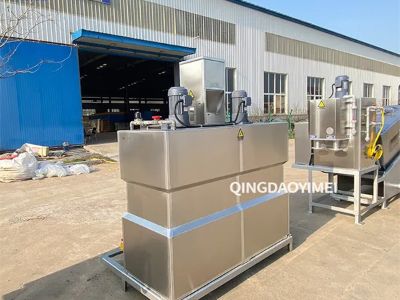
Decentralized treatment systems are emerging as a vital component of integrated wastewater management, driven by the need for more efficient, localized solutions in various industries. As manufacturing and industrial sectors face increasing scrutiny regarding water usage and pollution control, understanding why decentralized treatment is becoming part of integrated wastewater management is crucial for purchasing managers, engineers, and project managers. This article will explore the role of decentralized treatment, how to select the right solutions, key specifications, common issues, and applications across different sectors.
Understanding the Role of Decentralized Treatment in Wastewater Management
Decentralized treatment refers to water and wastewater management systems that operate at or near the point of wastewater generation, as opposed to large, centralized facilities. This approach offers several advantages, particularly for industries with specific wastewater characteristics or those located in remote areas. Decentralized systems can reduce the costs associated with transporting wastewater to centralized facilities while providing more tailored treatment solutions.
Moreover, these systems can enhance compliance with local regulations by treating wastewater to the required standards before discharge. They also contribute to resource recovery initiatives, allowing industries to recycle water for reuse in non-potable applications, thereby conserving valuable water resources. As industries increasingly adopt sustainable practices, decentralized treatment is becoming a key strategy in integrated wastewater management.
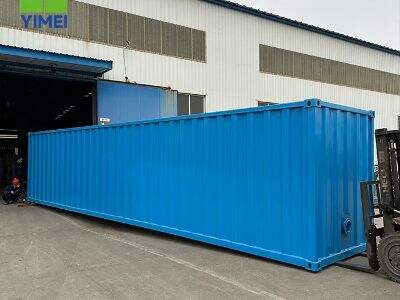
How to Choose the Right Decentralized Wastewater Treatment Solutions
When selecting a decentralized wastewater treatment solution, several factors should be considered to ensure it meets the specific needs of your facility. First, assess the volume and characteristics of the wastewater generated, including its chemical composition, contaminants, and flow rates. This information is essential for determining the appropriate treatment technology.
Next, consider the local regulations governing wastewater discharge and treatment requirements. Ensure that the selected system can meet these standards effectively. Additionally, evaluate the available space for installation and the infrastructure needed for operation, including power supply and access for maintenance.
Finally, consult with manufacturers, like Qingdao Yimei Environment Project Co., Ltd., who can provide insights into the latest technologies and customization options based on your operational needs. They can help design a solution that not only meets regulatory requirements but also enhances operational efficiency.
Key Specifications for Decentralized Treatment Systems in Manufacturing
Understanding key specifications is critical when evaluating decentralized treatment systems. Some essential specifications to consider include:
Treatment Capacity: This refers to the maximum volume of wastewater the system can handle. It's crucial to choose a system that accommodates peak flow rates without compromising performance.
Removal Efficiency: Different systems offer varying levels of efficiency in removing specific contaminants. Buyers should look for systems that provide data on their removal rates for key pollutants relevant to their operations.
Footprint: The physical size of the treatment system can impact installation and operational costs. A compact design may be necessary for facilities with limited space.
Energy Consumption: Systems with lower energy requirements can reduce operational costs and improve sustainability. Look for solutions that utilize energy-efficient technologies.
Maintenance Requirements: Understanding the maintenance needs, including frequency and types of maintenance tasks, is vital for ensuring consistent performance. Systems designed for easy access to components can reduce downtime and operational disruption.
By focusing on these specifications, buyers can ensure they select a treatment system that aligns with their operational goals and regulatory obligations.
Common Problems with Decentralized Treatment and Effective Solutions
While decentralized treatment systems offer numerous benefits, they are not without challenges. Common issues include:
Operational Complexity: Decentralized systems can be more complex to operate than traditional centralized systems. This complexity can lead to operational challenges if personnel are not adequately trained. Providing comprehensive training for operators is essential.
Inconsistent Performance: Variability in wastewater characteristics can result in inconsistent treatment performance. Implementing robust monitoring systems can help track performance metrics and adjust operations as needed.
Regulatory Compliance: Ensuring compliance with ever-changing regulations can be challenging. Regular communication with local regulatory agencies and keeping abreast of regulatory updates can help mitigate this issue.
Maintenance Challenges: Maintenance can vary significantly based on system design and local conditions. Establishing a proactive maintenance schedule and working with manufacturers for support can enhance system reliability.
By anticipating these challenges and implementing effective management strategies, facilities can improve the reliability and efficiency of their decentralized treatment systems.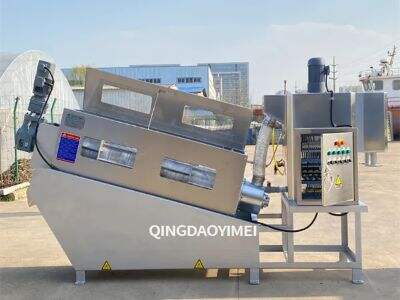
Applications of Decentralized Treatment in Various Industries and Projects
Decentralized treatment systems have found applications across a wide range of industries, including:
Manufacturing: Industries such as food and beverage processing, textiles, and chemicals often produce unique wastewater streams requiring specialized treatment. Decentralized systems can be tailored to address specific contaminant profiles effectively.
Construction: Temporary construction sites can benefit from portable decentralized treatment systems that provide immediate integrated wastewater management solutions without the need for extensive infrastructure.
Hospitality: Hotels and resorts, particularly those in remote locations, can utilize decentralized systems to treat wastewater on-site, minimizing the need for costly transportation to centralized treatment facilities.
Agriculture: Farms can implement decentralized systems for treating wastewater from operations, enabling the reuse of treated water for irrigation and reducing environmental impact.
By integrating decentralized treatment into their wastewater management strategies, these industries not only ensure compliance but also contribute to sustainability initiatives by recycling water and reducing their environmental footprint.
as industries strive for more efficient wastewater management solutions, decentralized treatment systems are proving to be a valuable component of integrated wastewater management. Understanding the specifications, selecting the right systems, and anticipating potential challenges are crucial steps for purchasing managers and project leaders looking to implement these innovative solutions.
Table of Contents
- Understanding the Role of Decentralized Treatment in Wastewater Management
- How to Choose the Right Decentralized Wastewater Treatment Solutions
- Key Specifications for Decentralized Treatment Systems in Manufacturing
- Common Problems with Decentralized Treatment and Effective Solutions
- Applications of Decentralized Treatment in Various Industries and Projects